The Ongoing Legal Battle: 23XI Racing and Front Row Motorsports vs. NASCAR
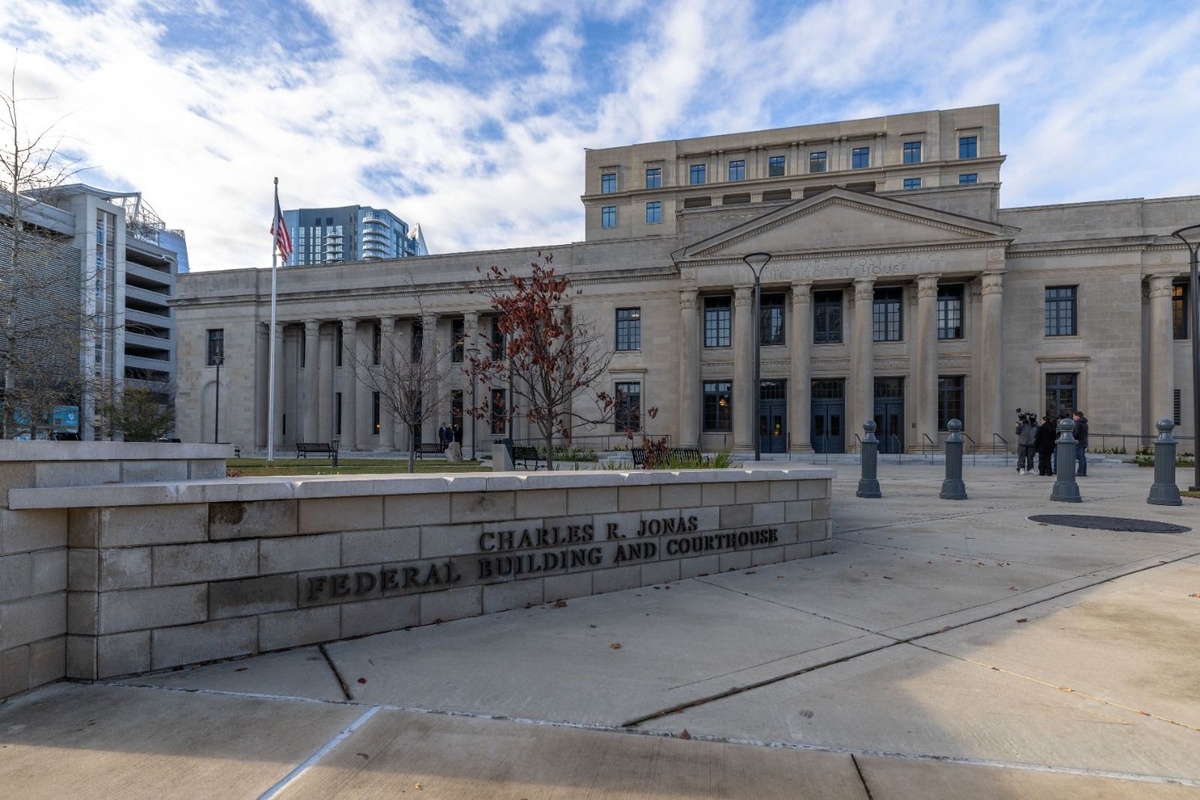
The courtroom saga between 23XI Racing, Front Row Motorsports (FRM), and NASCAR has reached an intense stage, showcasing a clash of interpretations over financial records and the implications of NASCAR’s market power. This legal dispute aims to determine whether NASCAR has utilized its monopsony position to financially disadvantage competing teams in the Cup Series, ultimately affecting the level of competition within the sport.
Understanding the Monopsony Status of NASCAR
To clarify, the legal proceedings do not revolve around whether NASCAR operates as a monopoly—this distinction is critical. The Western District of North Carolina has already classified NASCAR as a monopsony, the singular buyer of premier Stock Car racing services. The jury’s role is to assess whether NASCAR has exploited its unique position to adversely affect competition and the revenue potential of the teams through its charter system.
Financial Disputes in Court
One of the pivotal moments in the trial occurred when Greg Motto, NASCAR’s Chief Financial Officer, took the stand for nearly two hours. He was primarily questioned about the substantial $400 million distributed to the France family trust. NASCAR operates as a private S Corporation, which means that its profits, losses, deductions, and credits flow directly to its shareholders, the France-Kennedy family members.
The lead attorney for 23XI and FRM, Jeffrey Kessler, argued that NASCAR could have allocated $720 million annually in charter payments to the teams instead of the $431 million that was dispensed for 2025. Both Motto and financial expert Mark Zmijewski countered this claim, asserting that such an expenditure would have driven NASCAR into bankruptcy, contradicting the assertions made by team financial expert Dr. Edward Snyder.
Kessler has consistently maintained that the financial testimonies presented by NASCAR executives and their experts are based on a flawed premise—that all participants would retain the same salaries and operate the business under the same conditions as the previous year. Instead, Kessler pointed to the significant salary cuts implemented during 2020 amid the COVID-19 pandemic, arguing that if teams had received fair compensation without anticompetitive behavior, everyone, from Jim France down to track maintenance staff, would have faced similar adjustments in their earnings.
Land Sales and Financial Maneuvering
Kessler also highlighted the sale of a significant portion of land that previously housed Auto Club Speedway for $544 million. He contended that these funds could have been redirected to support the teams rather than being utilized to pay down debts resulting from the International Speedway Corporation merger in 2019. Furthermore, Kessler indicated that as an S-Corporation, NASCAR is not obligated to distribute dividend payments to the France family trust, a point of contention during the hearings.
Motto defended NASCAR’s position, emphasizing the necessity of tax obligations that directly affect the France family, given its S-Corporation structure. He argued that the sale of a NASCAR-owned track ultimately enhanced the organization’s overall equity by reducing its debt burden.
Kessler described this financial strategy as merely transferring funds within the family, stating, "You do whatever you can to minimize the taxes to the France family." In response, Motto claimed that NASCAR’s year-over-year revenue decline of $10 million in 2025 was trivial, labeling it a mere rounding error for an entity of NASCAR’s size.
Diverging Interpretations of Financial Records
Throughout the trial, both sides consistently reached contrasting conclusions based on the same financial data. This disparity became evident during the proceedings, particularly in the courtroom’s dynamic, where the first seven and a half days were dedicated to the testimonies from 23XI and FRM’s witnesses, followed by cross-examinations from NASCAR’s legal team. The process then shifted, with NASCAR presenting its case and witnesses.
John Probst, NASCAR’s senior vice president of innovation and racing development, was the first to testify for NASCAR. He primarily discussed the NextGen car’s development and addressed claims regarding teams’ alleged reckless spending habits. Probst’s extensive background, which includes time spent with Ford Motor Company and various racing teams, bolstered his credibility as he shared insights about the financial complexities of the racing industry.
The NextGen Car and Financial Implications
Probst’s testimony centered on the NextGen car, designed around the principle that fans prioritize manufacturer-specific engines and bodies. According to Probst, everything else remains largely invisible to fans, allowing teams to invest less in wind tunnel testing and component engineering. He noted that the development of the NextGen car cost NASCAR $14 million, with teams bearing no financial burden for research and development.
Probst provided the jury with data indicating how often teams purchase parts from approved vendors, a process permitted under the charter agreement. He explained that NASCAR collects this information to demonstrate that increased spending does not necessarily correlate with winning races—a point he illustrated by citing Team Penske’s success with fewer parts purchases.
Despite the arguments about spending, Probst maintained that allowing teams to repair parts would lead to a chaotic arms race in expenditures, undermining the parity that the NextGen platform aims to achieve. Under Kessler’s cross-examination, Probst acknowledged that the legal challenge was not about the NextGen car itself but rather the non-compete restrictions imposed by the charter agreements.
Addressing Competition and Exclusivity
Kessler probed Probst regarding NASCAR’s apprehensions about competition, particularly in light of the failed attempts to establish rival racing leagues. Probst contended that NASCAR does not fear competition but seeks to safeguard its brand, highlighting the common business practice of protecting proprietary interests, akin to how Coca-Cola would manage its recipes.
Kessler produced an internal document which detailed NASCAR executives’ evaluations of the costs associated with launching a Cup Series team from scratch. Probst clarified that the intent behind this assessment was to gain insight into the actual costs of competition, rather than to consider establishing a new series.
Reflections from Jim France
NASCAR CEO Jim France’s testimony on the previous day was marked by evasiveness, leading to a series of "I do not know" or "I do not remember" responses. However, he eventually addressed the issue of permanent charters for Cup Series team owners, stating, "I don’t have a sightline to the future, and I don’t feel comfortable making a promise I don’t know if I can keep." Despite receiving requests from notable team owners to make their ownership statuses "evergreen," France expressed his reluctance to commit to any permanent agreements, citing the unpredictable nature of the industry.
The Future of the Trial
As the trial progresses, Judge Kenneth D. Bell informed the jury that their services would be required in the coming week, but NASCAR has indicated its intent to conclude its case by the end of the week. The original timeline for the trial has already been extended due to initial delays, and closing arguments are now expected no earlier than Monday morning.
Amidst the proceedings, there were concerns regarding how NASCAR’s attorneys obtained information about Richard Childress’s exploration of selling part of his Cup Series team, as this matter was protected by a non-disclosure agreement. This issue visibly agitated Childress during cross-examination.
With ongoing debates over the implications of NASCAR’s financial maneuvers, the trial continues to unravel complex layers of competition, governance, and the financial realities that shape the world of Stock Car racing. As both sides prepare for the next phase, the outcome of this case could have significant ramifications for the future of NASCAR, its teams, and the competitive landscape of the sport.
