Goodyear’s Tire Strategy for the Bristol Night Race: What to Expect
As the Bristol Night Race approaches, fans and teams alike are eager to see how Goodyear’s tire strategy will play out. With varying weather conditions and track surface characteristics, the dynamics of tire wear are sure to be a major talking point. Goodyear’s approach, shaped by previous races, aims to enhance the competition while addressing the unique challenges presented by the Bristol Motor Speedway.
Understanding Tire Wear Dynamics
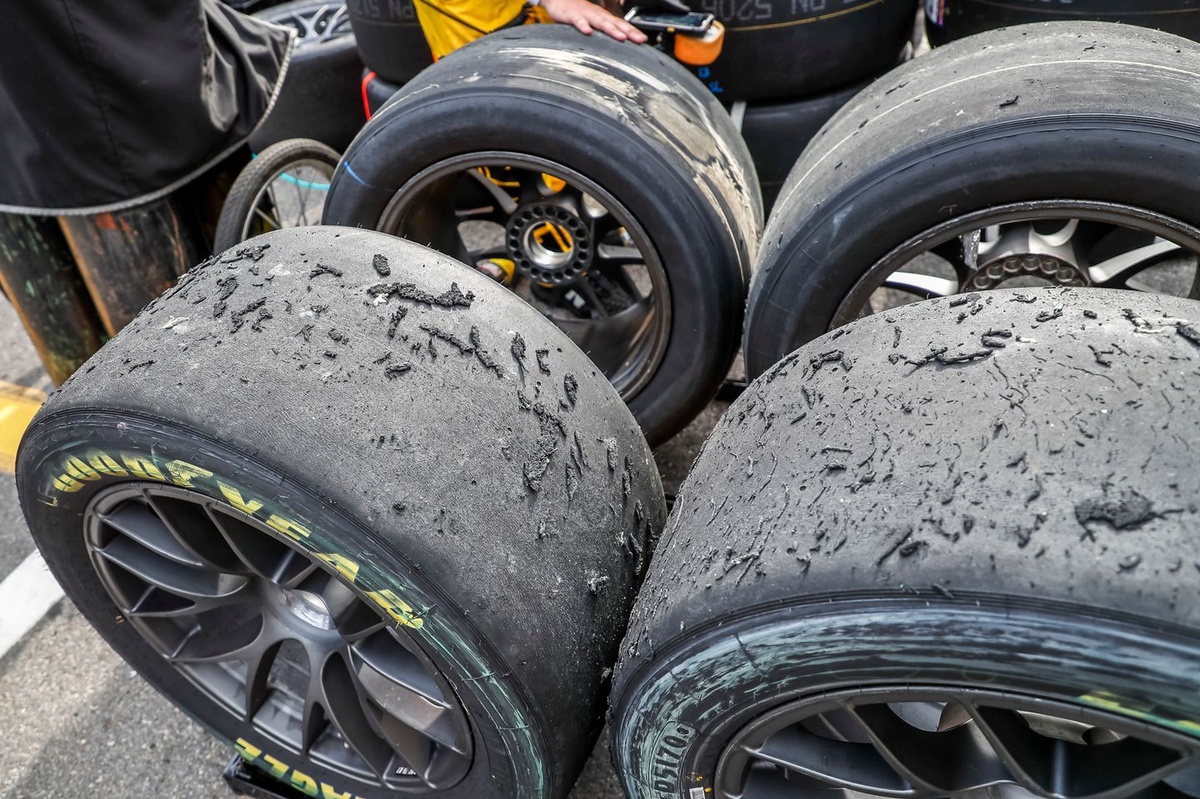
Tire wear is a crucial factor in NASCAR races, especially at a track like Bristol, known for its short track layout and high banking. During the spring race of 2024, teams experienced significant tire wear due to several factors, including colder temperatures and changes in track surface treatment. These conditions led to unexpected tire cording, where the tires lost their integrity and performance after about 40 laps.
Mark Keto, Goodyear’s NASCAR project manager, noted that the extreme tire wear observed in the spring race was largely influenced by the weather, the use of a specific resin, and a lack of comprehensive data from previous dirt races. As a result, the spring race recorded an impressive 54 lead changes and over 3,500 green flag passes, driven largely by the tire issues that emerged during the event.
Adjustments Made for the Night Race
With the upcoming Bristol Night Race, Goodyear has made strategic adjustments to its tire compounds. Keto expressed confidence in the changes made, noting that they are aiming for increased right-side tire wear, ideally closer to 70 laps instead of the longer stints seen previously. The new tire compound is designed to wear more predictably and consistently, which should enhance the racing experience.
The forecast for race day suggests warmer temperatures, potentially reaching the high 70s. This could lead to a rubbered-in track, which generally reduces tire fall-off. To address this, Goodyear has developed a tire that counteracts the conventional wisdom of laying rubber on warmer days, focusing instead on increasing tread wear.
Keto explained that the goal is to create a scenario where the tires degrade properly as the race progresses, allowing for more strategic decisions regarding tire management. This is particularly important at Bristol, where the right-side tire is crucial for maintaining speed through the corners.
The Role of Tire Testing
In preparation for the race, Goodyear conducted extensive tire testing to ensure optimal performance. Keto mentioned that a test is scheduled for November 11 and 12, aimed at refining the tire’s response to temperature changes. The aim is to produce a tire that performs consistently across various conditions, thus enhancing driver confidence and race outcomes.
The testing process includes analyzing how tires interact with the track surface under different loads. Denny Hamlin, a prominent driver, commented on a friction test that indicated significant tire wear for the upcoming race. He noted that the testing machine used was similar to sandpaper, and the results were alarming, as the tire quickly degraded under stress. While this raises concerns, Keto clarified that such tests don’t always reflect real-world race conditions, where factors like weather and track treatment play significant roles.
Team Strategies and Expectations
Drivers and teams enter the Bristol Night Race with different strategies based on their understanding of tire wear and track conditions. Chase Elliott, the 2020 Cup Series champion, emphasized the importance of preparing for a typical race at Bristol. He indicated that focusing solely on tire conservation could lead to missed opportunities if the race unfolds differently than anticipated.
Elliott’s crew chief, Rudy Fugle, shared insights on the expected lifespan of the tires, predicting that the right-side tires would endure approximately 100 laps. He stressed the importance of adjusting cambers and making real-time decisions to maximize tire performance.
Conversely, Ross Chastain, another playoff contender, expressed his hope that practice sessions on Friday would provide valuable information that could translate to race day. He acknowledged that tire management is a critical component of racing at Bristol and expressed trust in Goodyear’s ability to deliver a reliable tire.
The Importance of Strategy
As teams prepare for the Bristol Night Race, the strategic element of tire management cannot be overstated. Drivers must balance speed with the need to preserve their tires, particularly as the race progresses and track conditions evolve. The ability to adapt to changing conditions will be key to achieving success.
The combination of tire wear dynamics, team strategies, and weather conditions creates a complex landscape for drivers and teams to navigate. With Goodyear’s commitment to providing competitive tire options, the Bristol Night Race promises to be an exciting and unpredictable event.
Conclusion
In summary, the Bristol Night Race will test both drivers and teams as they navigate the intricacies of tire management on a challenging track. Goodyear’s innovative tire strategies, informed by previous races and testing, aim to enhance competition while addressing the unique challenges presented by Bristol. As the race unfolds, fans can expect thrilling action and strategic battles on the track, making for an unforgettable experience.
