Understanding Formula 1’s Innovative Ghost Car Tool: A New Era in Race Analysis
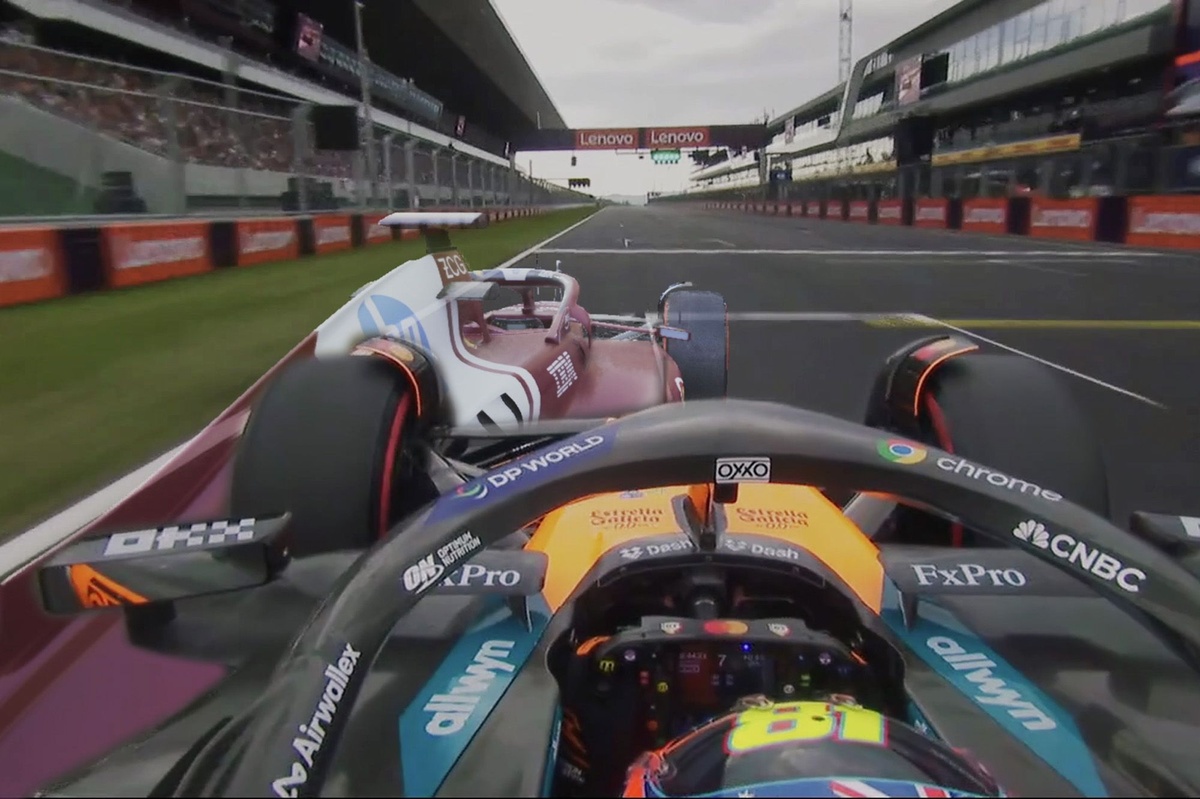
In the ever-evolving landscape of Formula 1 racing, the introduction of advanced technologies has revolutionized how fans and teams analyze performance. One of the most significant innovations in recent seasons is the "ghost car" tool, which has become a vital asset during qualifying sessions. This groundbreaking technology utilizes enhanced GPS and timing data to provide a visual comparison of drivers’ performances on the track. By overlaying the data of competing cars, fans and teams can gain insights into where time is gained or lost, making the sport more engaging and accessible to its audience.
The Mechanics of the Ghost Car Tool
The ghost car tool has emerged as a crucial feature in the tightly contested qualifying sessions of the 2025 season. With the competition among drivers more intense than ever, the need for precise analysis of performance is paramount. The ghost car technology allows for a side-by-side comparison of two drivers, highlighting minute differences in their lap times. These comparisons are especially critical when the margins between positions are razor-thin, often just fractions of a second.
F1’s Director of Broadcast and Media, Dean Locke, explained how the tool operates. “In qualifying, we have thousandths of a second separating multiple cars, and visually representing that is incredibly challenging,” he noted. The ghost car tool not only showcases how close the competition is but also illustrates the nuances of each driver’s technique. For instance, whether a driver takes a better line through a corner or how their car’s speed on the straights impacts their overall performance.
The Evolution of Ghost Car Technology
While the concept of ghost cars was tested in the past, several technical challenges hindered its implementation. The primary issue was achieving the necessary level of accuracy to ensure that the overlays were reliable. Given the fast-paced nature of qualifying sessions, where timeliness is crucial, F1 needed a solution that could deliver accurate data swiftly.
Locke elaborated on the development process, stating, “We decided to create a custom application that accelerates the data processing and allows us to deliver this to our broadcast partners and fans shortly after qualifying.” The application integrates GPS data with video footage, allowing for a detailed analysis of each lap. This approach involves tagging the data to the video and using onboard camera footage to verify the positioning of the vehicles throughout the lap.
The precision required for this technology is immense. Even a slight misalignment in the data can lead to inaccuracies. Locke emphasized the importance of reference points in this process, noting that there is a five percent tolerance in horizontal and vertical framing differences that can significantly impact the analysis. This labor-intensive process is managed by skilled editors who ensure that the final product is both accurate and visually compelling.
Fan Engagement and Broadcaster Benefits
The introduction of the ghost car tool has resonated strongly with fans, providing them with a deeper understanding of the complexities involved in qualifying laps. The tool is now regularly utilized on F1 TV and across the sport’s social media platforms, enhancing the viewing experience for both hardcore enthusiasts and casual fans alike.
Locke remarked on the positive reception of the tool prior to its launch, highlighting the collaborative efforts with broadcasting partners to optimize its delivery. “We wanted to ensure that it was not just about the top positions but also relevant for various placements in the qualifying rounds,” he explained. The ghost car technology has proven to be a valuable resource for broadcasters, enabling them to dissect qualifying laps with greater depth.
The Future of Broadcast Technology in F1
As F1 continues to evolve, the broadcast team is committed to enhancing the fan experience through technological advancements. The goal is to reduce the time it takes to process data and incorporate the ghost car tool into post-qualifying broadcasts. Currently, the turnaround time is between 90 minutes to two hours, but there is an ambition to shorten this to just 30 minutes.
Improving the quality of imagery and refining GPS data accuracy are critical components of this initiative. Locke acknowledged that latency remains a significant challenge, but improvements in data processing will pave the way for more efficient broadcasts. He emphasized the importance of providing fans with visual aids that clarify the intricacies of the competition, making F1 more accessible to a broader audience.
Gamification and Enhanced Viewer Experience
Another strategy employed by F1 to engage younger audiences is the gamification of graphics. For example, the heads-up display integrated into the halo of the cars resembles elements from popular racing video games. This approach appeals to a new generation of fans, making the sport more relatable and exciting.
The feedback from broadcasters has been overwhelmingly positive regarding the ghost car tool. Locke shared that many broadcasters expressed satisfaction with the time frame for receiving the data, allowing them to incorporate it into their pre-show segments. Furthermore, the ability to present data visually has proven advantageous for both dedicated fans and newcomers trying to grasp the intricacies of the sport.
Continuous Innovation Amidst a Packed Race Schedule
Formula 1 is known for its intense racing calendar, which often leaves little room for off-season experimentation with new technologies. As a result, innovations are frequently tested during the racing season. The revamped Media and Technology Centre in Biggin Hill has facilitated this agile approach, enabling the team to test and implement improvements continuously.
Locke explained, “The investment in our Media and Technology Centre allows us to be more flexible. We can test systems and make improvements without the logistical challenges of sending equipment to various tracks.” This adaptability is essential for staying ahead in an industry that thrives on innovation and engagement.
Future Directions for F1 Broadcasts
Looking ahead, Locke noted that F1 is exploring ways to personalize the viewing experience further. “We want to create a more interactive environment for fans, where watching a race is not entirely passive,” he stated. With discussions surrounding the future of content streams, F1 is keen to understand what fans desire from their viewing experience.
While emerging technologies such as augmented reality (AR) and virtual reality (VR) hold potential, Locke emphasized the importance of using technology purposefully. “We are cautious about implementing new technology for its own sake; it must enhance the fan experience and effectively tell the story of the race,” he said.
The collaboration with Apple on their recent F1 movie has also opened new avenues for F1’s broadcast team. The production team was impressed with F1’s filming techniques, and discussions have commenced on how to incorporate some of those elements into live broadcasts sustainably.
Preparing for Changes in 2026
As F1 gears up for the introduction of new technical regulations in 2026, the broadcast team is already working on strategies to explain these changes to fans. The focus will be on how the new regulations, which will emphasize electric energy deployment and introduce features like the Manual Override Mode, will impact the sport.
To facilitate this, Locke mentioned ongoing workshops to analyze the data that will be available and the stories that can be derived from it. "We are committed to enhancing connectivity with the cars, which will allow us to provide even more insightful content to our audience," he confirmed.
Conclusion
The ghost car tool represents a significant leap forward in how Formula 1 analyzes and communicates performance data. By providing fans with a visual representation of the competition’s intricacies, F1 has fostered a deeper understanding of the sport. As technology continues to advance, the commitment to enhancing the viewing experience will ensure that Formula 1 remains an exhilarating spectacle for fans around the world.
