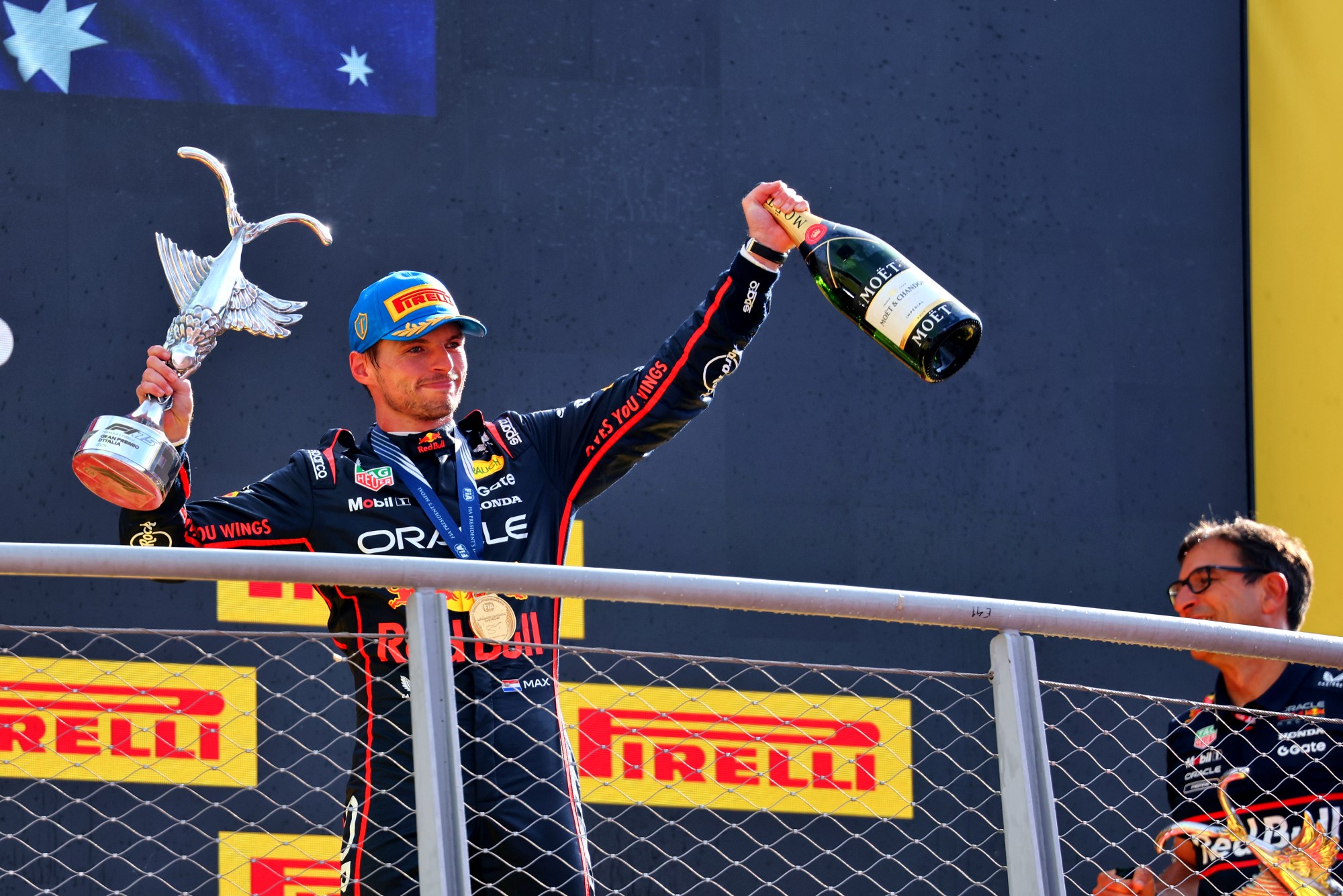
The Winning Factors Behind Max Verstappen’s Italian Grand Prix Victory
Max Verstappen’s triumph at the Italian Grand Prix in Monza has been a topic of great interest among racing enthusiasts and analysts alike. While many fans attribute his success to sheer talent, experts suggest that a multitude of factors played a significant role in his dominant performance. Riccardo Ceccarelli, a renowned physician and mental preparation expert for race car drivers, sheds light on the complexities surrounding Verstappen’s victory, emphasizing that the outcome of the race cannot be solely credited to the Dutch driver’s skills.
Understanding the Circuit: Monza’s Unique Challenges
Monza, known for its high-speed straights and intricate chicanes, presents a unique set of challenges that can diminish the driver’s impact on the race outcome. Ceccarelli points out that the layout of the track means that drivers might not make as significant a difference compared to other circuits that demand more technical driving skills. The fast-paced nature of Monza allows for less opportunity for individual drivers to showcase their abilities in comparison to tracks that require more finesse and precision.
In previous races, Verstappen’s qualifying performances had been impressive, yet competitors like McLaren had shown stronger race pace. This highlights the need for a well-rounded team strategy that goes beyond individual talent. In Monza, Verstappen had to navigate not just his driving but also deal with team dynamics and the race’s unfolding circumstances, which played a crucial role in his eventual victory.
The Tactical Maneuvers That Defined the Race
During the race, Verstappen faced a pivotal moment when he was instructed to relinquish his lead to Lando Norris due to a review by race officials. This scenario could have potentially altered the race’s outcome, but Verstappen’s aggressive maneuvering allowed him to reclaim the lead with a bold move around the outside at the first chicane. This decisive action demonstrated not only his skill but also his strategic thinking under pressure.
The ability to execute such a maneuver effectively showcases the importance of mental fortitude and quick decision-making in motorsports. Ceccarelli’s insights into the psychological aspects of racing underline how crucial it is for drivers to maintain composure and confidence, particularly in high-stakes situations like this one.
The Role of Team Dynamics in Racing Success
Another key aspect that Ceccarelli highlights is the recent organizational changes within the Red Bull Racing team. The introduction of Laurent Mekies as the new team principal has sparked discussions about how these shifts may influence the team’s overall performance. While Ceccarelli refrains from declaring this as a decisive factor, he acknowledges that changes in leadership can lead to new strategies and improved morale within the team.
Team dynamics play an essential role in the success of any racing team. A cohesive unit that communicates effectively can enhance a driver’s performance significantly. The synergy between the driver and the team, including engineers and strategists, often dictates the pace at which a team can adapt and respond to the evolving circumstances of a race.
Confidence and Optimism: The Psychological Edge
Ceccarelli also emphasizes the psychological component of racing, noting his recent conversation with Verstappen’s race engineer, who also serves as the Head of Racing for the team. He sensed a tone of optimism and confidence regarding the future of the team, suggesting that they might be making significant progress behind the scenes. This positive mindset can be incredibly beneficial, as confidence can lead to better performance on the track.
The psychological preparation of drivers is as critical as their physical training. Athletes often face immense pressure, and maintaining a strong mental state can provide the competitive edge needed to succeed in such a high-stakes environment. The interplay of mental and physical training is vital to achieving peak performance, especially in a sport as demanding as Formula 1.
The Importance of Strategy and Adaptation
Verstappen’s win at Monza illustrates the importance of strategy in racing. The ability to adapt to changing circumstances, such as race regulations, weather conditions, and competitor strategies, is paramount. Each race presents its own unique challenges, and teams must be prepared to adjust their tactics accordingly.
Race strategy involves not only the car’s performance but also pit stop timing, tire choices, and understanding competitors’ strengths and weaknesses. The synergy between the driver and the team in executing these strategies can often be the difference between winning and losing.
The Influence of External Factors
In addition to the technical and strategic aspects of racing, external factors such as weather conditions and track temperature can significantly impact performance. Teams must remain agile and responsive to these variables, making real-time decisions that can affect the race outcome.
For instance, tire degradation can vary based on conditions, and teams must anticipate how their tires will perform throughout the race. A well-timed pit stop can provide a crucial advantage, allowing a driver to maximize their performance when conditions are most favorable.
The Evolution of Racing Teams: A Look at Red Bull Racing
Red Bull Racing has established itself as a powerhouse in Formula 1, consistently pushing the boundaries of technology and performance. The team’s ability to innovate and adapt to the ever-changing landscape of motorsport has been vital to its success.
The integration of new personnel, like Laurent Mekies, signifies a commitment to continuous improvement and evolution. In a sport where technological advancements can provide a competitive edge, fostering a culture of innovation is essential.
The Future of Formula 1: Looking Ahead
As the season progresses, the dynamics within teams like Red Bull Racing will continue to evolve. The interplay of talent, strategy, and psychological preparedness will undoubtedly shape the outcomes of future races.
Verstappen’s victory at Monza serves as a reminder of the multifaceted nature of success in Formula 1. While individual talent is essential, it is the collective effort of the team that ultimately determines the results on race day.
As fans and analysts look ahead, the excitement surrounding the evolving narratives within each team will undoubtedly keep everyone engaged. The unpredictability of racing ensures that each event is unique, filled with its own set of challenges and triumphs.
Conclusion
Max Verstappen’s success in the Italian Grand Prix is a testament to the complex interplay of factors that contribute to a race win. From the unique challenges of the Monza circuit to the importance of team dynamics and psychological preparation, every element plays a role in shaping the outcome of a race. As the season unfolds, the focus will remain on how teams adapt and evolve, further enriching the narrative of Formula 1 racing.
