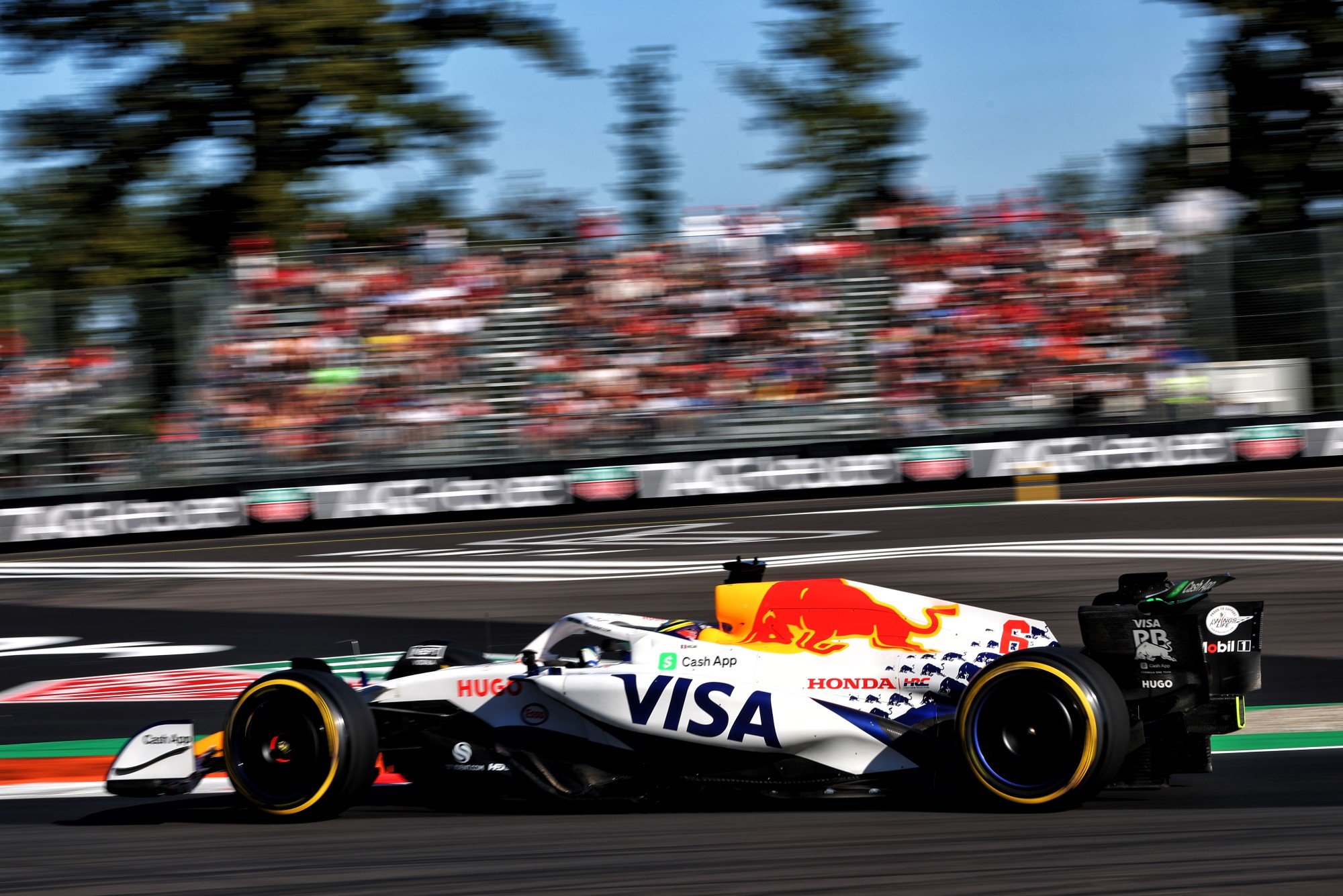
Racing Bulls Gear Up for Baku: New Challenges Await in Azerbaijan
As the Racing Bulls team arrives in Baku, they carry the momentum from strong performances at the end of the European Formula 1 season. However, they are also acutely aware of the unique challenges posed by Azerbaijan’s urban circuit. Isack Hadjar, one of the team’s promising drivers, noted the confidence he’s gained from recent races, but he also emphasized the need to adapt to this unfamiliar track in his F1 journey.
Gaining Confidence from European Races
Hadjar expressed his enthusiasm about the recent races in Europe, stating, "The last two races exceeded our expectations. We delivered outstanding performances and I’m confident we can carry this positive momentum into the next phase of the season, which takes us outside Europe." He highlighted the importance of resetting his mindset as they head to Baku, a track that presents a stark contrast to the circuits they’ve previously encountered. "It’s crucial to prepare for a circuit where I haven’t driven an F1 car before," he added, underscoring the need for adaptability in this new environment.
Liam Lawson’s Anticipation for Baku Debut
Fellow driver Liam Lawson is also set to make his debut in Baku for the F1 category. He reflected on his previous experiences in the Formula 2 series, recalling, "Baku is a very unique circuit, characterized by numerous 90-degree turns that bring the car close to the walls throughout the race." Although Lawson has not yet raced in Baku in Formula 1, he fondly remembered his time in F2. "I really enjoyed my experience there, despite a challenging weekend in Monza. The team’s momentum has been great, and the car is performing well. I’m excited to make my F1 debut here," he stated, looking forward to the challenges ahead.
Technical Insights from the Team
Tim Goss, the technical chief of the Racing Bulls team, emphasized the importance of finding the right balance for the car in light of Baku’s distinctive characteristics. "Baku presents a unique set of challenges that push our engineers to discover the optimal setup," he explained. The long main straight requires a different approach compared to the tight street sections that demand high downforce and grip. "Balancing these two requirements is never straightforward, particularly with the slow 90-degree corners and the narrow castle section between turns 8 and 12," he noted.
Goss further elaborated on the braking dynamics in Baku. "The braking for turn 1 occurs after the long straight, which means the brakes are colder, adding another layer of complexity to our strategy." Understanding these nuances will be crucial for the team as they navigate the demands of this challenging circuit.
Tire Management as a Key Strategy
Another critical aspect highlighted by Goss is tire management. The team will be using Pirelli’s softer tire compounds—C6, C5, and C4—aimed at encouraging two-stop strategies during the race. "There’s a risk of tire degradation, and with softer compounds than last year, we’ll need to be meticulous in both setup and driving to maximize our strategy," he stated. Goss expressed enthusiasm for the challenges Baku presents, indicating that the team is well-prepared to tackle them.
Navigating the Urban Circuit
Baku’s urban layout is notorious for its tight corners and close proximity to barriers, making precision driving essential. Drivers must maintain focus and avoid costly mistakes that could lead to accidents or damage to the car. The combination of high-speed sections and tight turns requires a well-calibrated setup that allows for both speed on the straights and grip in the corners.
The unique architecture of the city also adds to the allure of the race. The backdrop of historical landmarks and modern structures creates a visually stunning environment that captivates both drivers and spectators alike. However, amidst this beauty lies the inherent risk of street racing, where even the slightest miscalculation can have severe consequences.
The Importance of Team Collaboration
In preparation for the Baku race, collaboration among team members is paramount. Engineers, strategists, and drivers must work closely to develop a cohesive plan that takes into account the specific challenges posed by the circuit. From optimizing car setup to devising race strategies, every detail plays a critical role in ensuring success on race day.
The feedback loop between drivers and engineers is essential for refining the car’s performance. By sharing insights about handling, grip levels, and tire wear, the team can make informed decisions that enhance their competitive edge. This synergy is further amplified by the use of advanced data analytics, allowing the team to simulate various scenarios and predict outcomes based on different strategies.
Learning from Past Experiences
As the Racing Bulls team prepares for their Baku debut, they can draw on lessons learned from previous races. Each circuit presents its own set of challenges, and adapting to these variables is key to success in Formula 1. The experiences gained from the European races will be invaluable as they face the complexities of the Azerbaijani circuit.
Both Hadjar and Lawson are aware that the race in Baku will require a different mindset. The unpredictability of street racing means that teams must remain agile and ready to adapt their strategies based on real-time conditions. From weather changes to tire performance, being able to pivot quickly can make all the difference during the race.
Fan Engagement and Spectacle
Baku’s charm extends beyond the track, as the city has become a popular destination for fans and tourists alike. The vibrant atmosphere surrounds the event, with fans eagerly anticipating the excitement of Formula 1 racing. Engaging with fans is a crucial aspect of the sport, and teams often leverage social media and other platforms to connect with their audience.
The energy of the crowd can also serve as a motivational boost for drivers, who thrive on the support of their fans. The spectacle of Formula 1 racing in such a picturesque setting elevates the overall experience, making it a memorable occasion for everyone involved.
Preparing for Race Day
As race day approaches, the Racing Bulls team will continue to refine their strategies and finalize preparations. The focus will be on ensuring that the car is optimally set up for the unique challenges of the Baku circuit. This includes fine-tuning aerodynamics, suspension settings, and tire management strategies to adapt to the specific demands of the track.
Moreover, the team will conduct thorough simulations and practice sessions to gather data and provide drivers with the information they need to perform at their best. Every ounce of preparation counts as they aim for a successful race in Baku, with hopes of capitalizing on their recent successes.
Embracing the Challenge Ahead
For Isack Hadjar and Liam Lawson, the upcoming race in Baku represents not just a challenge, but an opportunity to showcase their skills on a global stage. Both drivers are eager to make their mark in the Formula 1 world and contribute to the team’s success. With the backing of a dedicated crew and the lessons learned from past experiences, they are poised to tackle the complexities of the Baku circuit head-on.
The Racing Bulls team understands that success in Formula 1 requires a blend of skill, strategy, and teamwork. As they gear up for this new chapter in Azerbaijan, their commitment to excellence and determination to overcome challenges will be at the forefront of their efforts. The road ahead may be filled with uncertainties, but the thrill of racing in Baku promises to be an unforgettable experience for everyone involved.
