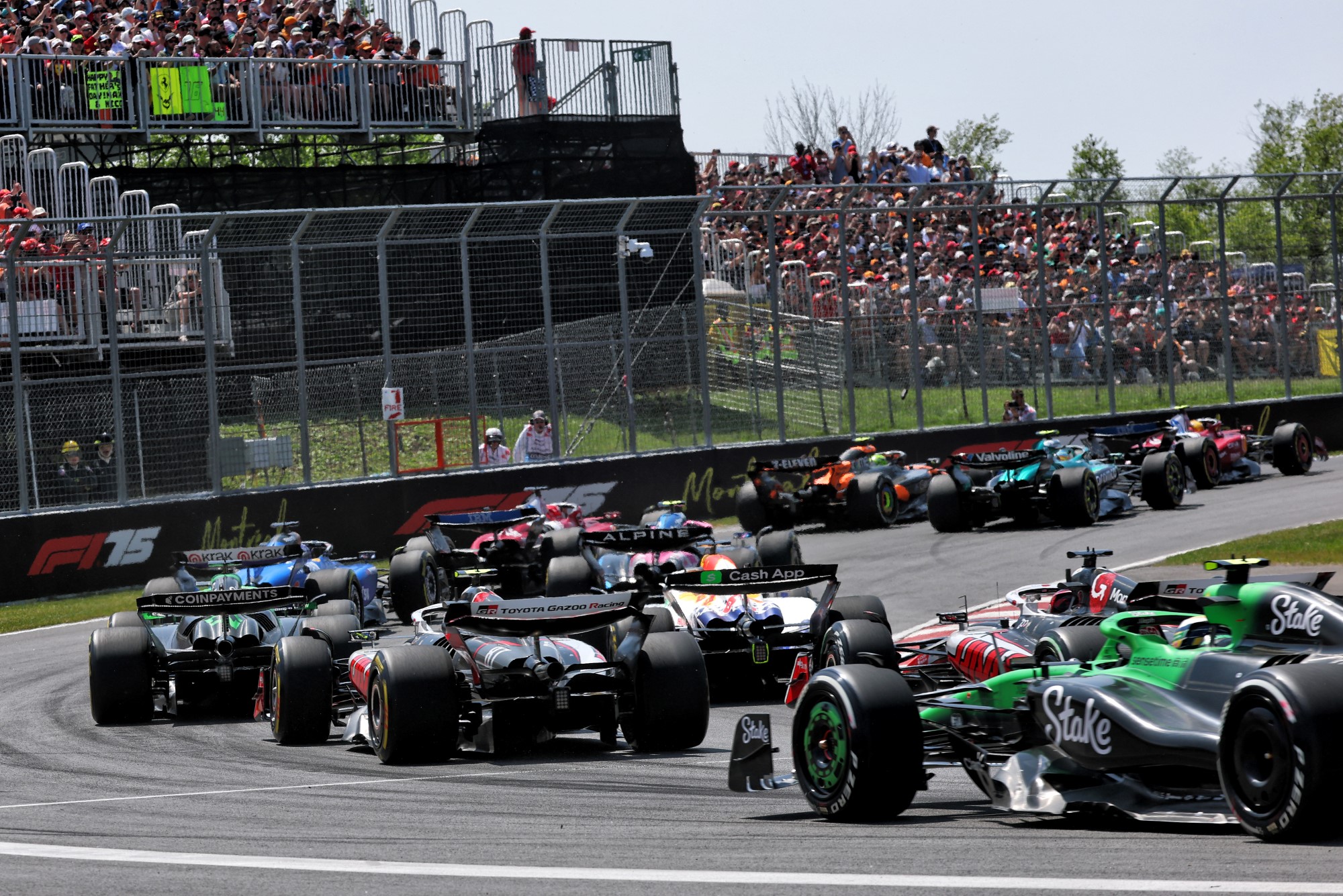
The Declining Relevance of DRS in Formula 1
In recent years, the Formula 1 racing scene has witnessed significant changes, particularly concerning the Drag Reduction System (DRS). Originally designed to facilitate overtaking and enhance the excitement of races, DRS is now facing challenges as cars evolve to become more aerodynamic and efficient. This shift is leading to less dynamic racing, with fewer opportunities for drivers to make daring moves on the track.
Understanding DRS and Its Purpose
The Drag Reduction System is a technology implemented to improve overtaking opportunities during races. By reducing aerodynamic drag, DRS allows a car to gain speed, thus making it easier to pass competitors. When engaged, the rear wing of the car opens, reducing downforce and allowing the car to cut through the air with less resistance. This system has been in place since 2011, aiming to create more exciting and competitive races.
However, as teams and manufacturers innovate and refine their designs, the effectiveness of DRS has come into question. The ongoing advancements in vehicle technology mean that the original purpose of DRS is becoming less impactful.
The Current State of Racing Dynamics
Take the recent race in Baku as a case in point. Despite having a long straight of 2.2 kilometers, the event only saw 24 overtakes throughout the 51 laps, with seven of those occurring immediately after the restart. This statistic highlights a growing concern: even teams known for their speed, such as McLaren and Ferrari, struggle to make progress in the pack, demonstrating that the current regulations and car efficiencies are hindering traditional overtaking methods.
The introduction of ground effect regulations in 2022 was initially thought to enhance racing dynamics by allowing drivers to follow each other more closely and engage in battles. However, as noted by Andrew Shovlin, a Mercedes engineer, the situation has changed. The technical evolution has led to cars becoming increasingly efficient, which means that the vacuum effect—where a trailing car benefits from reduced air resistance behind a leading car—is diminishing.
The Impact of Aerodynamics on Overtaking
As teams have invested in developing their vehicles, they have focused on improving the overall aerodynamic efficiency. In this context, the ground effects that were designed to enhance racing have inadvertently led to a reduction in the effectiveness of DRS. With better downforce generated by the car’s floor, the rear wings have been optimized to create less drag. Consequently, this has resulted in less disparity in performance when DRS is activated.
For instance, during the race in Monza, it was observed that DRS had minimal impact. The rear wing, even in its closed position, produced very little drag. This meant that when drivers utilized DRS, there was no significant advantage to be gained, as the aerodynamic efficiency of the cars negated the intended effects of the system.
The Future of DRS in Formula 1
With the current trajectory, the role of DRS is evolving, and many are questioning its relevance in the future of Formula 1 racing. As teams continue to push the boundaries of what is possible with car design, it appears that the system, which has been a staple in the sport for over a decade, may lose its status as a crucial component for overtaking.
The upcoming regulations set to take effect in 2026 are already stirring discussions about the future of DRS. Many believe that with advancements in technology and changes in regulations, the system may no longer be needed. Instead, the focus may shift towards other methods of promoting competitive racing and ensuring that overtaking remains a vital aspect of the sport.
Conclusion
The evolution of Formula 1 cars and the associated aerodynamic advancements are casting a shadow over the Drag Reduction System. As teams continue to innovate and enhance their vehicles, the traditional methods of overtaking are becoming increasingly obsolete. The future of DRS remains uncertain, with many within the sport contemplating its role in the evolving landscape of Formula 1 racing. As the sport progresses, it will be essential to monitor how these changes impact the excitement and competitiveness that fans have come to expect from Formula 1.
