The All-Time Formula 1 Wins Leaderboard: A Comprehensive Overview
Formula 1, known for its high-speed thrills and intense competition, has witnessed an array of legendary drivers since its inception in 1950. Over the years, these athletes have competed not just for victory in individual races but also for their place in the annals of motorsport history. Among the most significant metrics of a driver’s success is their total number of Grand Prix wins. In this article, we will explore the all-time wins leaderboard, spotlighting the most successful drivers in Formula 1 history while outlining their journeys to greatness.
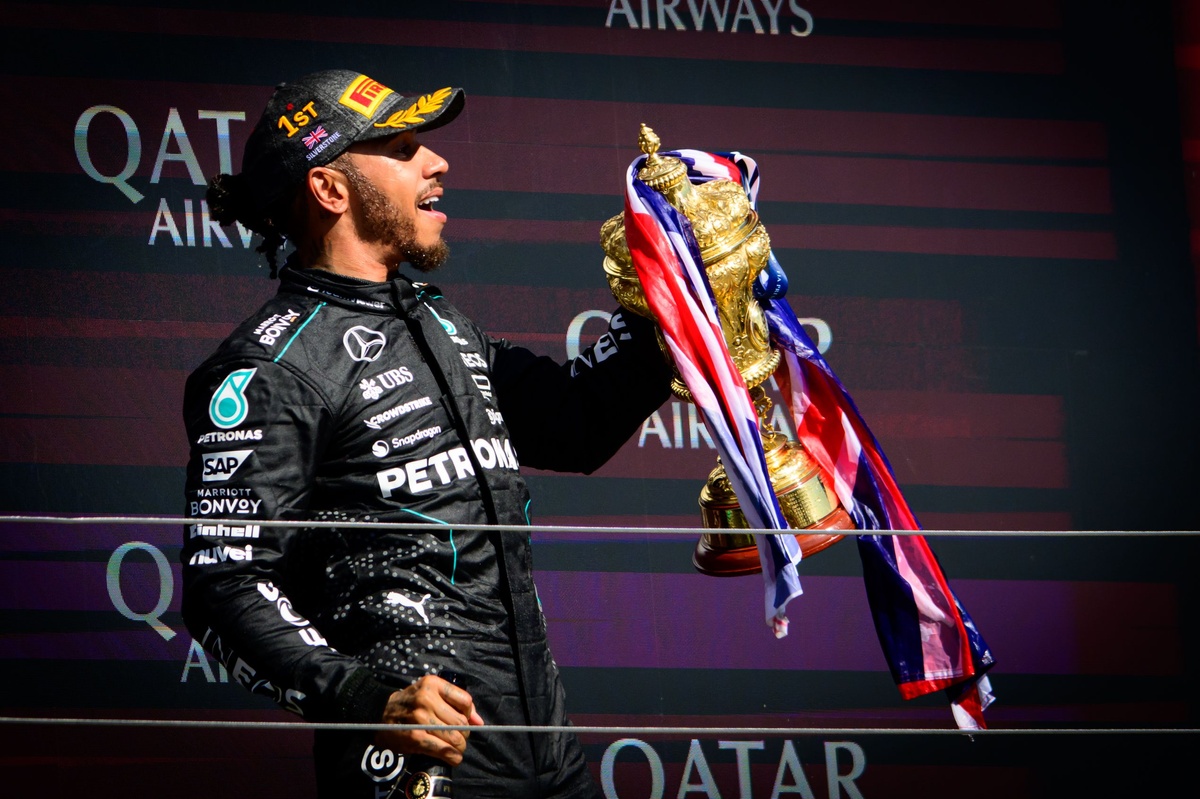
Sir Lewis Hamilton: The Record Holder
At the pinnacle of the all-time wins list is Sir Lewis Hamilton, who has amassed a remarkable total of 105 Grand Prix victories. His career in Formula 1 began in 2007 with McLaren, and he quickly made a name for himself by winning his first race in Canada the same year. Hamilton’s combination of skill, consistency, and an unyielding desire to win has propelled him to the top of the leaderboard, surpassing the previous record held by fellow seven-time world champion Michael Schumacher in the 2020 season.
Hamilton’s journey has been nothing short of extraordinary. With a driving style that emphasizes precision and speed, he has demonstrated an ability to adapt to various circuits and conditions. His success can be attributed to not only his talent but also the strong partnership with his teams, particularly with Mercedes-AMG Petronas, where he has won multiple championships and broken numerous records.
Michael Schumacher: A Legacy of Excellence
Following closely behind Hamilton is Michael Schumacher, who recorded 91 Grand Prix wins during his illustrious career. Schumacher raced for several teams, including Benetton and Ferrari, and was known for his fierce competitiveness and tactical brilliance on the track. He dominated the sport in the late 1990s and early 2000s, leading Ferrari to unprecedented success.
Schumacher’s influence on Formula 1 extends beyond his victories; he revolutionized many aspects of the sport, including driver fitness and race strategy. His legacy is not only defined by his records but also by the way he inspired a generation of drivers, including Hamilton himself.
Max Verstappen: The Rising Star
In third place is Max Verstappen, who has quickly established himself as one of the top drivers in the sport. With 67 wins to his name as of now, Verstappen’s aggressive driving style and fearless approach have earned him a dedicated fan base. He made history as the youngest driver to start a Formula 1 race at just 17 years old and has continued to break barriers since then.
Driving for Red Bull Racing, Verstappen has consistently challenged the established order, showcasing his ability to compete against some of the sport’s legends. His recent successes have sparked debates about his potential to surpass the records set by Hamilton and Schumacher in the coming years.
A Testament to Talent: The Next Generations
The list of race winners in Formula 1 includes many names that fans and enthusiasts recognize. Notable drivers such as Sebastian Vettel, with 53 wins, and Alain Prost, who secured 51 victories, have each contributed to the sport’s rich history. Vettel’s time with Red Bull Racing saw him dominate the sport, winning four consecutive championships from 2010 to 2013. Prost, a master tactician, was involved in several iconic rivalries, most famously with Ayrton Senna.
Speaking of Ayrton Senna, his legacy remains alive with 41 wins, celebrated for his incredible speed and charisma. Senna’s tragic passing in 1994 only solidified his status as a legend in Formula 1, inspiring countless fans and drivers alike.
Other notable figures include Fernando Alonso, who has recorded 32 wins, and Nigel Mansell, with 31 victories. Each of these drivers has left an indelible mark on the sport, contributing to its evolution over the decades.
The Legends of the Past
The all-time wins leaderboard also features a host of esteemed drivers from earlier eras. Jackie Stewart, with 27 wins, and Jim Clark, who achieved 25 victories, were pivotal figures in the sport’s formative years. Their contributions laid the groundwork for future generations, as they showcased the excitement and potential of Formula 1 racing.
Drivers like Niki Lauda and Juan Manuel Fangio also have their names etched in history, with Lauda securing 25 wins and Fangio 24. Fangio’s remarkable record of five world championships stood for decades and remains a benchmark for excellence in motorsport.
The Current Landscape
As of now, the current Formula 1 standings feature a mix of seasoned veterans and emerging talents. The likes of Sergio Pérez, who has amassed six wins, and Charles Leclerc, with eight victories, are part of a new wave of drivers poised to make their mark in the sport. Their performances in recent seasons have demonstrated their potential to climb the leaderboard in the coming years.
Additionally, the presence of young talents such as Lando Norris and Oscar Piastri, each with nine wins, adds a layer of excitement to the competition. These drivers are not only skilled but also embody the future of Formula 1, representing a shift towards a new generation of racing.
The Evolution of Formula 1
The journey of Formula 1 winners reflects the evolution of the sport itself. From the early days of racing, characterized by raw power and minimal technology, to the modern era of high-tech machinery and data analytics, the landscape has changed dramatically. Each era has brought its own set of challenges and innovations, shaping the way drivers approach the sport.
As technology continues to advance, so too does the competition among teams and drivers. The introduction of hybrid engines, advanced aerodynamics, and data-driven strategies has transformed how races are won. This evolution emphasizes the need for drivers not only to possess raw talent but also to be adaptable and strategic thinkers.
Celebrating the Champions
As we look back at the list of all-time Grand Prix winners, it’s essential to recognize the dedication and hard work that each driver has put into their craft. The victories represent not just the culmination of individual talent but also the teamwork and collaboration that goes into preparing for each race. The mechanics, engineers, and support staff play a crucial role in ensuring that the drivers have the best possible chance of success on race day.
In celebrating these champions, we also acknowledge the thrill and passion they bring to the sport. Each race is a testament to the human spirit, showcasing the drive to compete and the pursuit of excellence. As new talents emerge and the sport continues to evolve, the legacy of these drivers will inspire future generations to chase their dreams on the racetrack.
The Future of Formula 1 Racing
Looking ahead, the future of Formula 1 racing appears bright. With a new generation of drivers ready to take the stage, fans can expect thrilling competitions and record-breaking performances. The sport’s commitment to sustainability and innovation will also play a significant role in shaping its future, as teams adapt to new technologies and environmental considerations.
As we celebrate the all-time wins leaderboard, we recognize that each victory is part of a larger story—a narrative of competition, dedication, and the relentless pursuit of greatness. Whether it’s through the lens of history or the excitement of modern races, Formula 1 continues to capture the hearts and minds of fans around the world.
In conclusion, the all-time wins leaderboard is more than just a list of numbers; it represents the culmination of years of effort, skill, and passion. Each driver on this list has contributed to the rich tapestry of Formula 1, and their legacies will be remembered for generations to come. As the sport continues to grow and evolve, the stories of these champions will inspire future racers to reach for glory on the world’s most prestigious racing stage.
