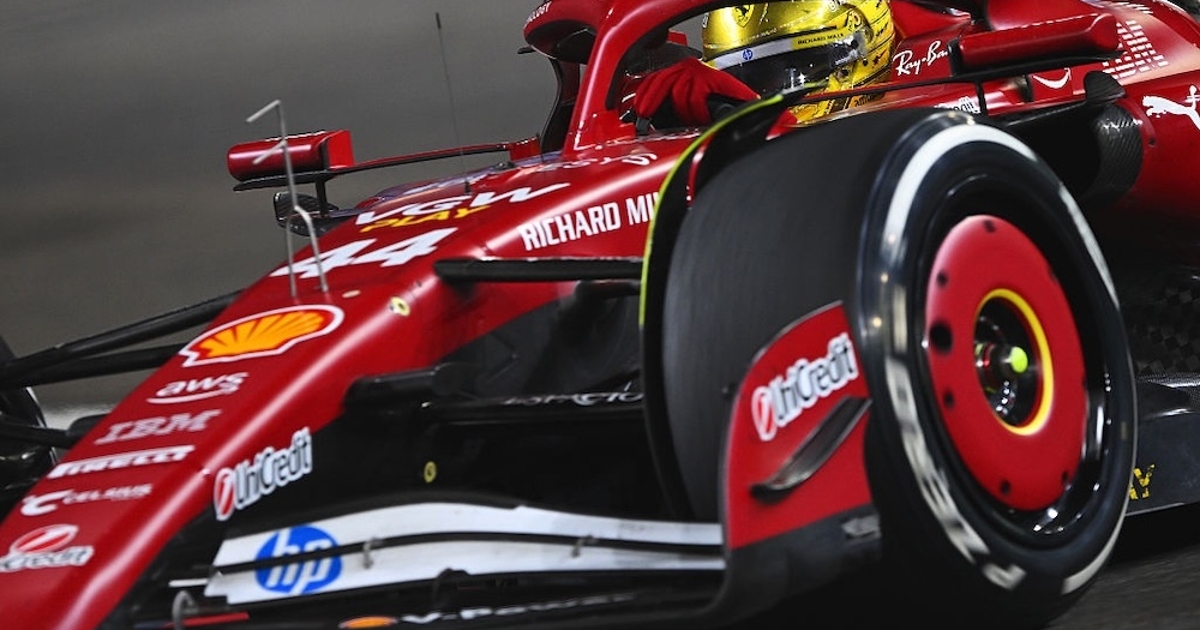
Ferrari’s Troubles at the Singapore Grand Prix: An In-Depth Analysis
Ferrari faced significant challenges during the Singapore Grand Prix, particularly concerning their braking system, which hindered their performance and allowed competitors, especially Mercedes, to widen the gap in the constructors’ championship standings. This article delves into the intricacies of Ferrari’s issues during the race and how these problems have affected their overall position in the championship.
Overview of the Race Dynamics
As the Singapore Grand Prix unfolded, Ferrari’s struggles became evident from the early stages. The team, which had shown promise in previous races, was unable to maintain its competitiveness due to overheating brakes. This mechanical issue not only affected their race strategy but also diminished their ability to compete effectively against their rivals.
The constructors’ championship is a crucial aspect of Formula 1, and every point counts. Last season, Ferrari found themselves in a tight battle for the title, ultimately falling short against McLaren in a dramatic finale. Fast forward to this year, and the scenario is different. McLaren has already secured the championship in Singapore, leaving Ferrari in a challenging third place, trailing Mercedes by a significant margin of 25 points after the race concluded.
Brake Issues and Their Impact
Ferrari’s head of the team, Frédéric Vasseur, addressed the overheating brake problem by indicating that it started affecting the car’s performance from the second lap onwards. The team had to resort to a "lift and coast" strategy, which involves easing off the throttle to conserve energy and manage brake temperatures. This approach is not ideal, as it compromises speed and can alter the driver’s lines and braking points throughout the race.
Vasseur noted that while there were moments when Ferrari’s pace appeared competitive, the persistent brake issues hampered their ability to fully exploit the car’s potential. Without the opportunity to accurately gauge their performance against rival teams, they were left in a precarious position for most of the race.
The Challenge of Racing in Singapore
The unique characteristics of the Singapore circuit add to the complexity of managing brake performance. Known for its tight corners and high demands on braking, the track poses significant challenges, especially when a team struggles with overheating brakes. Ferrari’s inability to perform well in this environment has proven detrimental.
Vasseur highlighted that the braking conditions in Singapore are particularly critical when a car is stuck in the middle of the pack. The drivers must navigate their braking points carefully, which can be a daunting task when the brakes are not functioning optimally. The cumulative effect of managing brake temperatures while racing closely with other cars can lead to further complications, making it difficult to maintain competitive lap times.
Performance Comparison with Rivals
During the race, there were fleeting moments where Ferrari’s pace seemed on par with the leading teams, notably Mercedes. However, these instances were short-lived due to the constraints imposed by the brake issues. For a significant portion of the race, Ferrari’s drivers had to adjust their driving styles continuously. This included frequent changes to the brake balance, which can create inconsistencies in performance and hinder a driver’s confidence.
The ability to adapt quickly is crucial in Formula 1, but when a team is forced to make constant adjustments, it can lead to a loss of reference points. Drivers may struggle to find their rhythm, ultimately affecting their speed and race strategy. Vasseur pointed out that this lack of stability can be more detrimental than simply losing time on the track.
The Role of Practice Sessions
Prior to the race, the team’s performance in practice sessions can play a vital role in setting up the car for the challenges of the race. Ferrari faced challenges during the practice sessions, particularly in FP2, which limited their preparation time. The lack of sufficient data and feedback from those sessions may have contributed to their struggles during the race.
Having a solid practice session allows teams to fine-tune their cars and identify potential issues before the race. Without this critical preparation, Ferrari found themselves at a disadvantage, unable to address the overheating brake issue adequately.
Safety Considerations
While the team made adjustments to prioritize safety during the race, the implications of their brake failures were evident. Vasseur emphasized that the team had to adapt their pace to ensure safety, which resulted in a significantly slower end to the race. Although maintaining safety is paramount, the speed at which the drivers were forced to operate raised concerns about the viability of their race strategy.
Driving at a reduced pace can help prevent accidents and mechanical failures, but it can also severely limit a team’s chances of scoring points. Ferrari’s performance in Singapore demonstrated the delicate balance teams must strike between competitive racing and ensuring the safety of their drivers.
Looking Ahead: Addressing the Challenges
As Ferrari reflects on their performance in Singapore, the focus will inevitably shift toward addressing the underlying issues that plagued their race. The team must analyze the data collected during the race to identify specific areas for improvement. This will likely involve a thorough examination of their braking systems and overall car setup.
Moreover, the lessons learned from Singapore will be crucial as they prepare for future races. Understanding how to manage brake temperatures more effectively and ensuring that practice sessions are utilized to their fullest potential will be vital for their success moving forward.
Conclusion
Ferrari’s experience at the Singapore Grand Prix serves as a reminder of the complexities and challenges inherent in Formula 1 racing. The team’s ongoing struggle with brake overheating not only hindered their performance in this particular race but also had significant implications for their position in the constructors’ championship. With their competitors, especially Mercedes, gaining ground, Ferrari must take decisive action to overcome these challenges and return to a competitive form in the races to come.
By focusing on addressing the mechanical issues and optimizing their practice sessions, Ferrari can aim to reclaim its status as a top contender in the sport. The next races will be critical in determining whether they can bounce back and close the gap to their rivals in the championship standings.
