Ferrari’s Leadership Shake-Up: Analyzing Frédéric Vasseur’s Position
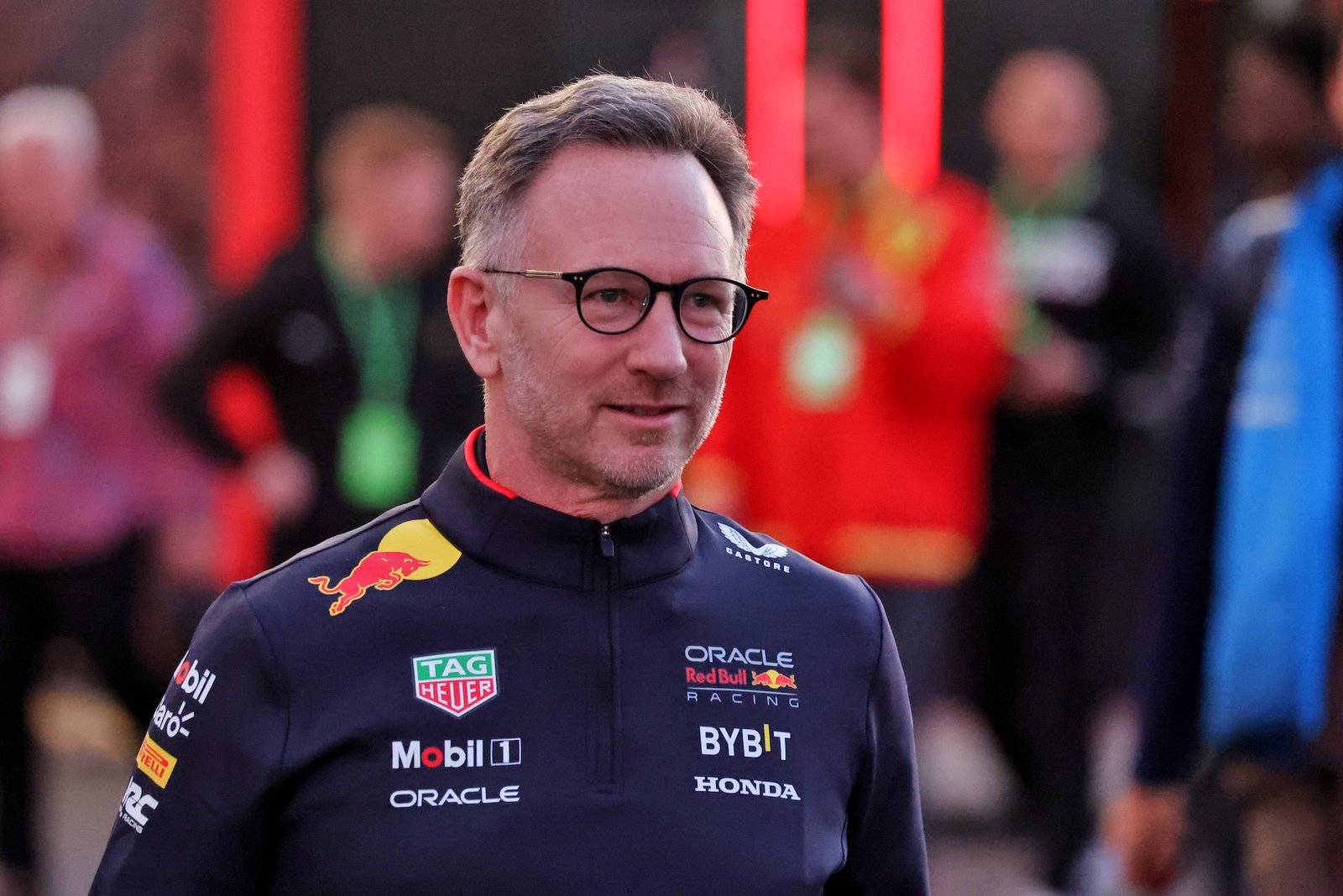
The pressure on Frédéric Vasseur, the team principal of Ferrari, is increasingly palpable. Reports from various sources, including F1-Insider, suggest that John Elkann, the president of the renowned Italian automaker, is contemplating a shift in leadership within the team. Prominently mentioned as a possible successor is Christian Horner, the former head of Red Bull Racing, who could be poised to step into the role in the near future.
Vasseur’s Contract and Current Challenges
Despite having recently renewed his contract, Vasseur’s future with the Scuderia appears uncertain, particularly in light of a season that has been marked by setbacks and disappointments. Ferrari ended 2024 as a strong competitor to reigning champions McLaren but has yet to achieve any victories in 2025. This lack of success has been accompanied by a series of incidents that highlight the internal turbulence within the organization.
The Series of Disappointments
One of the most notable setbacks occurred during the Chinese Grand Prix, where the team faced a dual disqualification. This incident raised eyebrows and led to intense criticism from fans and analysts alike. Compounding the situation, Lewis Hamilton made pointed remarks about Ferrari’s performance following the Hungarian Grand Prix, further spotlighting the team’s struggles.
In Baku, the team faced additional challenges when team orders were disregarded, indicating potential discord among drivers. This lack of cohesion within the team could be detrimental to their overall performance. The challenges continued in Singapore, where both Hamilton and Charles Leclerc believed they had the potential for better qualifying positions but ultimately finished sixth and seventh, respectively. On race day, both cars suffered from brake overheating issues, severely impacting their performance and outcomes.
The Impact of Penalties and Performance
An additional layer of complexity was added when Hamilton received a penalty that saw him drop from seventh to eighth place. This sequence of unfortunate events has intensified scrutiny on Vasseur’s leadership. He has already addressed speculation regarding his future during the Canadian Grand Prix weekend, but the pressure continues to mount.
According to the aforementioned German website, Elkann has begun to question whether Vasseur is the right person to guide the team forward. Meanwhile, Horner’s potential availability starting in 2026 makes him an attractive candidate for Ferrari as they evaluate their options for a leadership change.
The Future of Ferrari’s Leadership
The ongoing evaluation of Vasseur’s position raises critical questions about the future direction of Ferrari in Formula 1. As one of the most storied teams in the sport, the expectations for success are exceedingly high. The pressure to perform is not only from fans but also from stakeholders within the organization, including Elkann.
As discussions about leadership changes unfold, it is essential to consider the broader implications for the Ferrari team. A new leader could bring fresh perspectives, strategies, and potentially a renewed sense of purpose. However, the transition period can also be fraught with challenges, as new leadership must navigate existing team dynamics and instill confidence among drivers and staff.
Vasseur’s Response to Speculation
Vasseur’s response to the mounting speculation about his future illustrates the complexity of his position. While he has maintained a commitment to the team, the results on the track have not aligned with expectations. The pressure to deliver results in a highly competitive environment like Formula 1 can be overwhelming, and Vasseur’s tenure has been marked by both promise and frustration.
The Role of Team Dynamics in Performance
The internal dynamics of a Formula 1 team can significantly impact performance on the track. A cohesive team that communicates effectively is essential for success, particularly when navigating the pressures of race weekends. The incidents of disregarded team orders in Baku and the struggles in Singapore suggest that there may be underlying issues that need to be addressed.
As Ferrari reflects on its strategy moving forward, leadership style will play a crucial role in fostering a positive team culture. A leader who can unite drivers and staff, instilling a sense of camaraderie and shared purpose, may be what the team needs to turn its fortunes around.
The Importance of Strategic Decision-Making
Strategic decision-making is vital for any organization, especially in the fast-paced world of motorsport. Ferrari’s leadership must carefully consider the implications of any potential changes. Bringing in a figure like Horner, known for his successful tenure at Red Bull, could signal a shift towards a more aggressive and innovative approach.
Horner’s track record speaks for itself, having led Red Bull to multiple championships. His experience in managing high-pressure situations and developing competitive strategies could provide Ferrari with the direction it desperately needs.
The Fan Perspective
Fans of Ferrari have high expectations, given the team’s illustrious history in Formula 1. The passionate fanbase is eager for a return to form, and the current state of affairs has led to growing frustration and disappointment. The team must address these concerns while also focusing on long-term development and success.
It is essential for Ferrari to engage with its fans, providing transparency regarding the challenges faced and the steps being taken to improve. Clear communication can help bridge the gap between the team’s struggles and the expectations of its supporters.
The Road Ahead for Ferrari
Looking ahead, Ferrari faces a critical juncture in its Formula 1 journey. The decisions made in the coming months regarding leadership and team strategy will have lasting implications for the organization. Whether Vasseur remains at the helm or a new leader takes charge, the focus must be on fostering a culture of excellence and collaboration.
As the 2025 season progresses, Ferrari will need to harness its resources effectively and develop innovative solutions to overcome the challenges it faces. Building a strong foundation for future success will require a comprehensive approach that encompasses both technical advancements and team dynamics.
Conclusion: A Pivotal Moment for Ferrari
In summary, the situation surrounding Frédéric Vasseur and Ferrari is a complex tapestry woven with challenges, expectations, and opportunities. The potential for leadership changes, coupled with the need for improved performance, places the team at a pivotal moment in its history. As the Scuderia navigates this critical period, the decisions made will shape the future of one of the most iconic teams in motorsport.
In the world of Formula 1, where every second counts and every decision matters, Ferrari must rise to the occasion and reclaim its position among the elite. The road ahead is fraught with challenges, but with strategic leadership and a commitment to excellence, the team can turn its fortunes around and once again become a formidable force on the grid.
