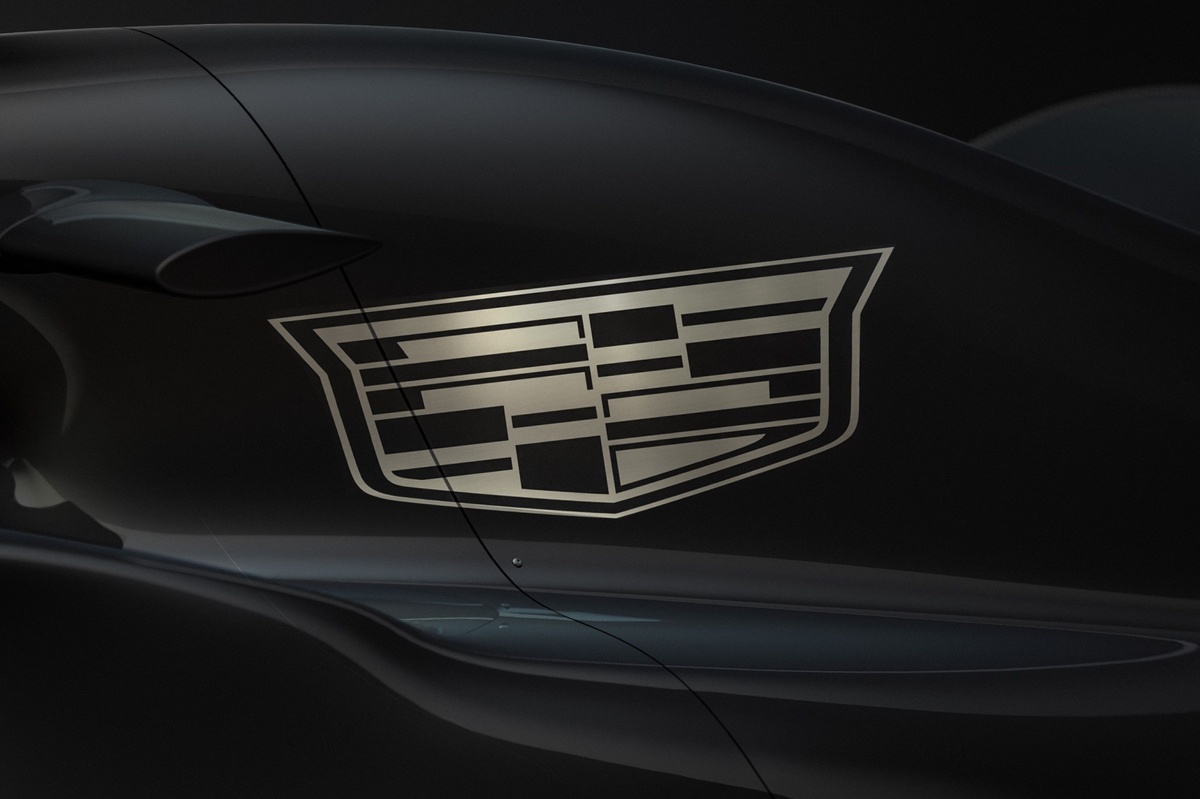
Cadillac’s Ambitious Leap into Formula 1: A Journey Towards 2026
Cadillac is gearing up for an exciting venture into the world of Formula 1, with plans to launch its first official team in 2026. This endeavor is spearheaded by Pat Symonds, an experienced engineering consultant who has recently joined Cadillac after a significant hiatus from Formula One Management (FOM). His insights shed light on the immense challenges and exhilarating opportunities that lie ahead for this iconic American automotive brand as it prepares to compete on one of the most prestigious global racing stages.
The Scale of Establishing a Formula 1 Team
Symonds has candidly described the process of establishing a Formula 1 team from scratch as "frightening." The complexity of the task cannot be overstated, especially when one considers the meticulous planning and resources required to create a competitive team. The clock is ticking, and the countdown to the first practice session in Australia has begun, with only 364 days left from the date Cadillac secured its official entry into the sport.
Recruitment: An Uphill Battle
One of the crucial aspects of setting up a new racing team is recruitment. Symonds admitted that bringing together the right talent posed a significant challenge, particularly given the ambitious timeline. At the start of the year, the team had just 159 employees working on the project in the UK. However, as the initiative gained momentum, that number has skyrocketed to 426. This rapid growth reflects not only the increasing size of the team but also the dedication of those involved in bringing Cadillac’s Formula 1 aspirations to life.
Symonds noted, "The commitment that everyone at Cadillac has had to this new team is absolutely amazing. We didn’t actually get our official entry until March 7 of this year, which means that there was incredible dedication before that date to get people on board." This level of commitment has been essential in overcoming the initial hurdles of team formation.
Building the Foundation: Infrastructure and Processes
The task of creating the infrastructure needed to support a Formula 1 team is a daunting one. Few new entrants have faced this level of complexity in recent years, and Symonds acknowledged the unique challenges it presents. Establishing a team isn’t just about the car; it’s about building a comprehensive support system that includes logistics, facilities, and operational procedures.
The Importance of Experienced Leadership
Symonds emphasized that while constructing a Formula 1 car is inherently challenging, it is the surrounding infrastructure that often proves to be the most demanding aspect of the endeavor. Having been involved in the sport for over four decades, he possesses a wealth of experience that is invaluable in navigating these complexities.
He remarked, "But the rest of it, building all the infrastructure around it, all the processes, all the procedures, all the logistics, all the buildings, you just don’t do it very often." This nuanced understanding of the intricacies involved in team management will play a crucial role as Cadillac forges ahead.
Prototype Development and Testing
In the realm of competitive motorsport, preparation is everything. Symonds shared that the Cadillac team has already developed a prototype chassis to facilitate the necessary homologation and crash testing processes mandated by the FIA. This proactive approach reflects the team’s commitment to adhering to safety regulations while also ensuring the chassis meets performance standards.
The Journey of Building the First Chassis
The prototype chassis, while not designed for immediate racing purposes, serves an essential role in validating the processes and methodologies needed for future development. "We built a chassis, went through all those tests in the second quarter of the year," Symonds explained. This early focus on safety and compliance underscores Cadillac’s intention to enter the sport with a robust foundation.
The team is now moving towards finalizing its first race-ready chassis, which has already been scheduled for homologation tests in the coming weeks. As parts begin to arrive in their stores, the momentum toward establishing a competitive entry in the Formula 1 landscape continues to build.
Challenges Ahead: Navigating Regulations and Safety Protocols
As Cadillac embarks on this ambitious journey, it must navigate a complex landscape of regulations and safety protocols that govern Formula 1. The sport is renowned for its stringent safety standards, and compliance is non-negotiable. Symonds acknowledged the importance of understanding and meeting these requirements as they develop their racing car.
Adapting to New Technologies and Standards
With the introduction of new engine specifications and aerodynamic regulations, the Cadillac team will need to stay ahead of the curve. This involves not only mastering existing technologies but also being agile enough to adapt to the ever-evolving landscape of Formula 1. Symonds noted, "There are a lot of new safety regulations, and some very difficult tests to pass on the chassis."
The focus on safety extends beyond mere compliance; it reflects a commitment to the well-being of everyone involved in the sport, from drivers to team personnel. Cadillac’s proactive approach to safety testing indicates a serious dedication to ensuring that their vehicles are not only competitive but also safe.
The Road Ahead: Building a Competitive Team
Looking forward, Cadillac’s ambition is clear: to build a competitive Formula 1 team that can contend at the highest levels of the sport. This goal requires not only technical prowess but also a cohesive team dynamic. Collaboration and communication among team members will be crucial as they work towards their shared vision.
The Role of Team Dynamics in Success
The success of a racing team is often a reflection of the relationships and dynamics among its members. Symonds highlighted the importance of fostering a positive and motivated environment. "There are a lot of people I knew, many I’ve worked with in the past," he remarked, hinting at the collaborative spirit that underpins Cadillac’s approach. This camaraderie is essential in overcoming the inevitable challenges that will arise during the development process.
As the team continues to grow and evolve, the focus will remain on creating a culture of excellence that permeates every aspect of their operations. From engineering to logistics, every member of the team will play a vital role in the success of Cadillac’s Formula 1 ambitions.
Conclusion
As Cadillac embarks on its journey into Formula 1, it faces a myriad of challenges and opportunities. With a strong commitment to building a competitive team, a focus on safety and compliance, and a dedication to fostering a positive team culture, Cadillac is poised to make its mark in the world of motorsport. The road ahead may be fraught with obstacles, but the spirit of innovation and determination that defines Cadillac will undoubtedly guide them as they navigate the complexities of Formula 1 racing. The broader implications of this venture extend beyond the racetrack, as Cadillac aims to leverage its involvement in Formula 1 to enhance its brand image and connect with a global audience of motorsport enthusiasts.
