Franco Colapinto’s Controversial Decision at the U.S. Grand Prix
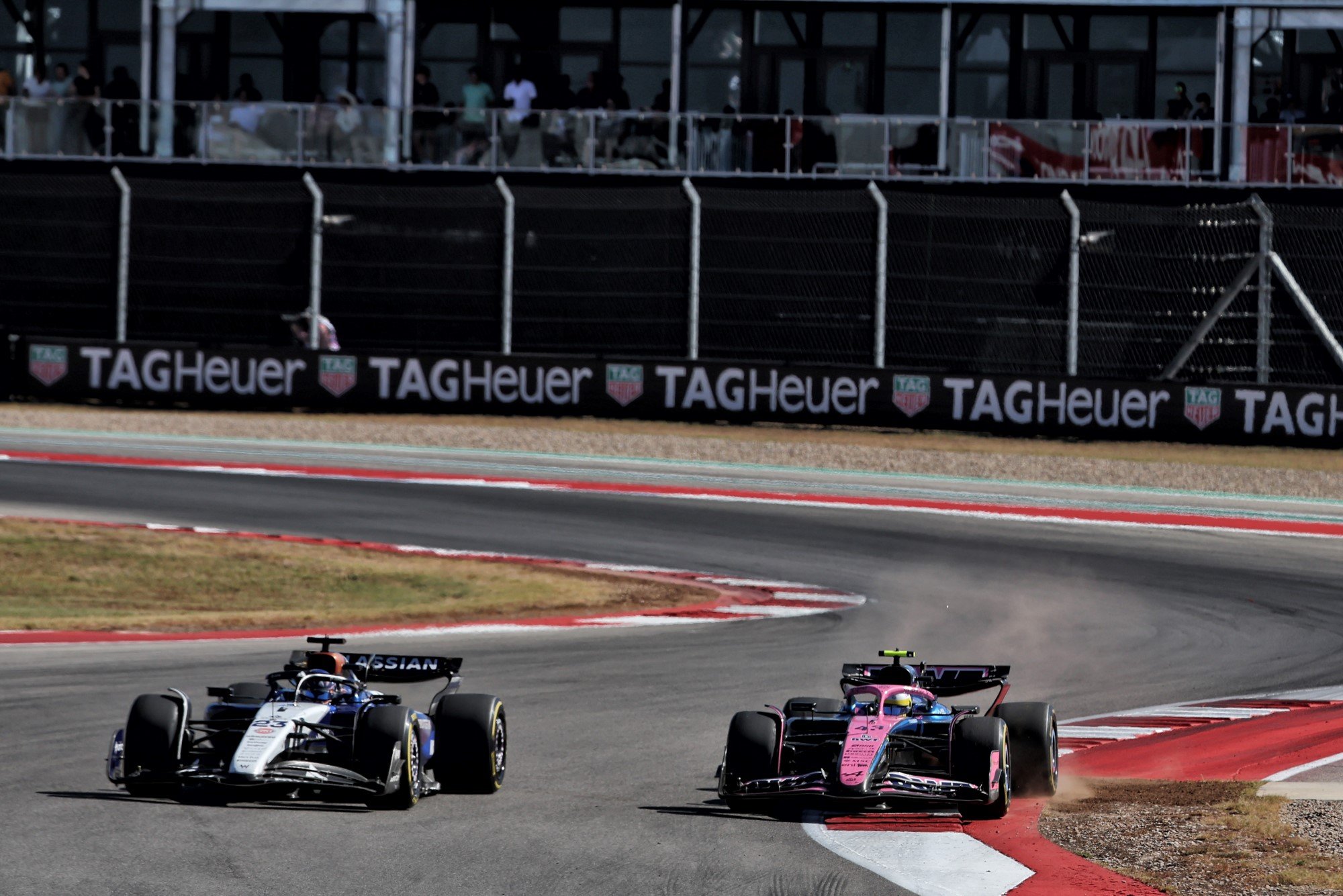
Franco Colapinto, the rising Argentine star in the world of Formula 1, recently faced scrutiny after deviating from a team instruction during the U.S. Grand Prix. This incident sparked conversations about team dynamics, individual decision-making, and the competitive spirit inherent in racing. As the race unfolded in Austin, Colapinto found himself in a complex situation involving his teammate Pierre Gasly and fellow racer Gabriel Bortoleto.
The Situation on the Track
During the closing laps of the race, Colapinto received a directive from the Alpine F1 Team to maintain his position behind Gasly. At that moment, both drivers were operating in a fuel-saving mode, a strategy that teams often employ to conserve resources towards the end of a race. However, as the race progressed, Colapinto perceived an opportunity to overtake Gasly, motivated by the pressure from Bortoleto, who was rapidly closing in on them.
In a split-second decision, Colapinto decided to ignore the team’s instruction and overtook Gasly at Turn 1. This bold maneuver raised eyebrows, especially considering the team’s explicit order to stay in line. The decision reflected Colapinto’s instincts as a racer, but it also put him at odds with the strategic plan laid out by the Alpine team.
Aftermath of the Race
As the race concluded, the aftermath of Colapinto’s decision became a topic of discussion. He finished ahead of Bortoleto, while Gasly found himself in a disappointing 19th place. The race leader, Max Verstappen, had also lapped them, adding to the complexity of the situation. Following the race, Steve Nielsen, Alpine’s team principal, expressed his disappointment with Colapinto’s actions, emphasizing the importance of following team orders in such a competitive environment.
Reflecting on the incident, Colapinto shared his perspective on why he made the decision to overtake Gasly. He acknowledged that the weekend had been challenging for the team overall, with various difficulties that impacted their performance. Despite these challenges, Colapinto felt that his pace was significantly better than Gasly’s during the final stretch of the race. He noted, “I had a much better rhythm than Pierre in the last sector, and [Gabriel Bortoleto] was behind, attacking hard and was much quicker than us.”
Team Dynamics and Individual Decisions
The dynamics within a racing team can be intricate. Drivers often have to balance their instincts and competitive drive against the strategic objectives set by their teams. For Colapinto, the decision to overtake Gasly was rooted in his belief that it was in the best interest of the team. He expressed a desire to push ahead and not hinder the performance of both cars. This mindset reflects a common dilemma faced by many athletes—choosing between individual ambition and collective strategy.
Colapinto acknowledged that the team has faced tough moments throughout the season but emphasized the importance of teamwork. He stated, “We need to keep working as a team. I’m motivated. We know the car is tough to drive, and it’s very challenging at the moment.” His commitment to improving the team’s performance for the future is commendable, even if it sometimes leads to contentious decisions on the track.
The Role of Communication in Racing
Effective communication between drivers and their teams is crucial in high-stakes environments like Formula 1. The clarity of instructions from the pit wall can significantly influence a driver’s decisions during a race. In Colapinto’s case, the order to stay behind Gasly was likely intended to avoid any potential conflicts between teammates and to maximize their overall performance. However, the pressure of the race can lead to split-second decisions that defy these instructions.
Colapinto’s choice to overtake Gasly raises questions about the effectiveness of communication in racing. Was the instruction clear enough? Did the urgency of the situation compromise the team’s ability to convey their strategy effectively? These are vital considerations that teams must address to minimize misunderstandings and optimize performance on the track.
Looking Ahead: Team Improvement and Future Races
Despite the controversy surrounding his decision, Colapinto remains optimistic about the future. He expressed a strong desire to learn from each race and improve as a team. The road ahead for Alpine involves analyzing every aspect of their performance, identifying areas for enhancement, and striving to deliver better results in upcoming races.
Colapinto’s commitment to growth and improvement reflects a broader ethos in the world of motorsport. Many teams recognize that even in challenging situations, there are valuable lessons to be learned. The focus on teamwork, collaboration, and continuous improvement is essential for achieving long-term success in Formula 1.
The young driver reiterated the importance of these moments, stating, “Even if it’s not for points, we are always trying to achieve the best possible result.” This mindset is crucial in a sport where every race presents new challenges and opportunities for growth.
Conclusion: A Learning Experience for Colapinto and Alpine
Franco Colapinto’s experience at the U.S. Grand Prix serves as a reminder of the complexities involved in Formula 1 racing. The balance between individual instincts and team strategy is delicate, and decisions made in the heat of competition can have far-reaching consequences. As Colapinto looks ahead, he remains focused on contributing to the team’s success while honing his skills as a driver.
Through reflection and a commitment to improvement, both Colapinto and the Alpine team can navigate the challenges ahead and work toward a more cohesive and successful future. The world of Formula 1 is ever-evolving, and each race presents an opportunity for growth, learning, and ultimately, triumph.
