The Intense Battle for the 2025 Formula 1 Championship: A Deep Dive into Red Bull Racing’s Strategy
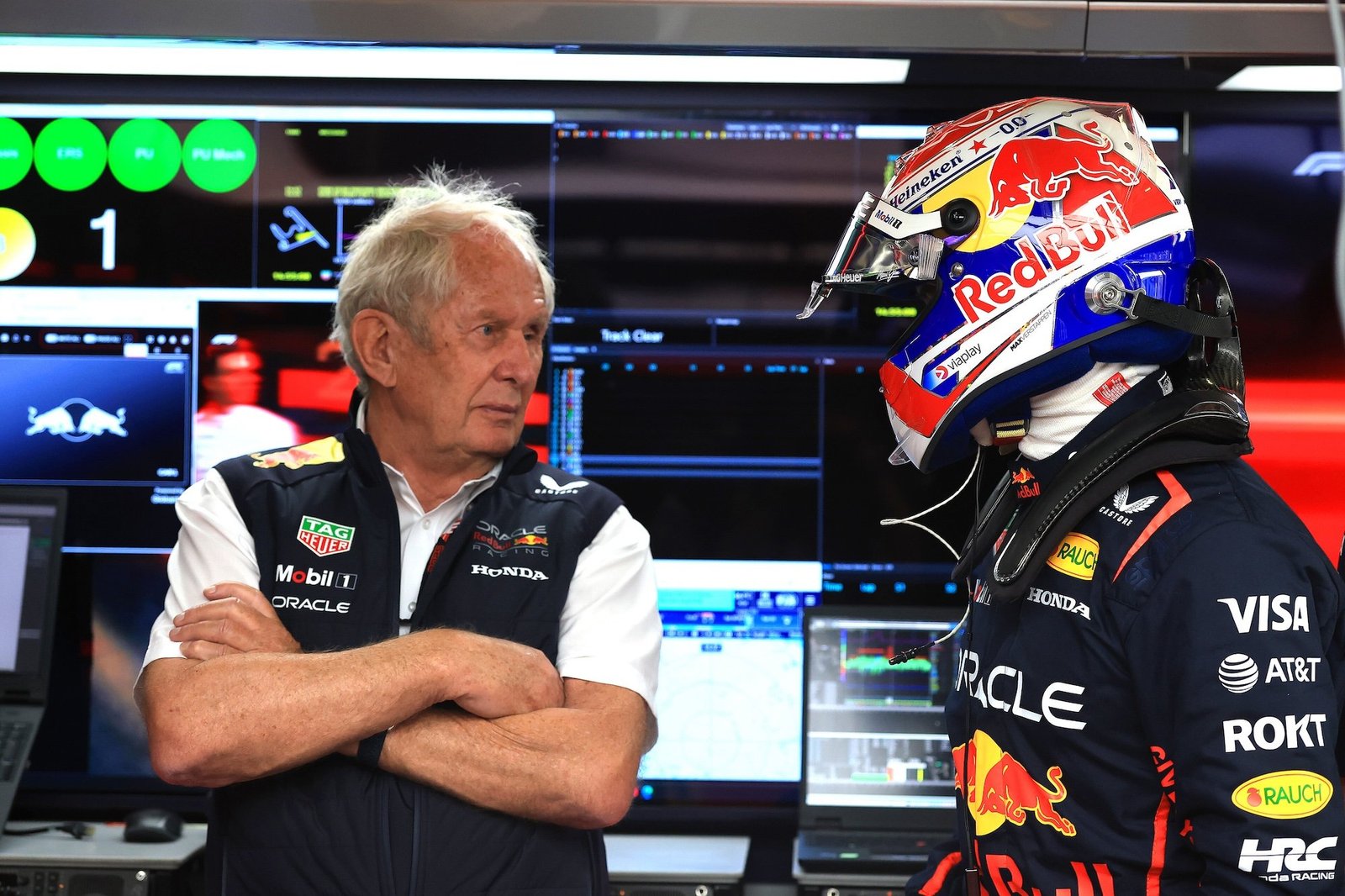
As the 2025 Formula 1 season unfolds, the competition for the Drivers’ Championship intensifies, with Red Bull Racing firmly in the mix. Helmut Marko, the esteemed advisor for the team, emphasizes that the fight for the championship will hinge on the smallest of details. This assertion underscores the high stakes involved as Red Bull Racing aims to reclaim its dominant position in the sport, particularly with standout driver Max Verstappen.
A Challenging Road Ahead
Marko has openly stated that both the team and Verstappen will need "nerves of steel" during the final four races of the season. This statement reflects the immense pressure that comes with competing against formidable rivals like McLaren, represented by Lando Norris and Oscar Piastri. As the season progresses, Verstappen has made significant strides, narrowing the gap in points to just 36 behind Norris and 35 behind Piastri. This resurgence has not only re-energized Verstappen’s title hopes but also reignited the excitement among fans and team members alike.
A Historical Context
To fully appreciate the gravity of this championship chase, one must look back at Red Bull’s historical achievements. Marko draws parallels between the current season and the iconic moments from Sebastian Vettel’s tenure with the team. In both 2010 and 2012, Red Bull managed to clinch the title in the final race, showcasing their resilience and strategic prowess. Such comparisons serve to motivate the team as they face the challenges ahead, reminding them that victory is often determined by grit and determination.
Verstappen’s current performance has already demonstrated his exceptional skill behind the wheel; however, if he can mount a successful comeback in this season’s closing stages, it would be considered an extraordinary feat. Marko believes that the remaining races will not only test the drivers’ technical abilities but also their emotional fortitude.
The Mental Game of Racing
In Formula 1, mental strength is just as crucial as physical capability. As Marko points out, the final stages of the championship race will require precision and emotional resilience. Drivers must maintain focus under extreme pressure, with every decision potentially impacting their standings. Mistakes, whether minor or significant, can lead to devastating consequences, especially when the championship is on the line.
The psychological aspect of racing is often overshadowed by the mechanical and technical discussions that dominate the sport. However, it is the mental game that can set apart a champion from the rest. Teams invest in sports psychologists and mental conditioning coaches to help drivers cope with stress and maintain an edge in high-pressure situations. This investment in mental fortitude is becoming increasingly recognized as a vital component of success in Formula 1.
The Role of Team Dynamics
While individual talent is crucial, the dynamics within the team play a significant role in a driver’s success. Red Bull Racing has built a strong culture of collaboration and support, which can be pivotal during high-stakes moments. Marko’s leadership and experience contribute to fostering a team environment where drivers feel empowered to perform at their best.
In addition, the engineering team plays a critical role in ensuring that the car is optimized for performance. The collaboration between drivers and engineers can lead to valuable insights that may influence race strategies or car setups. As the team navigates the final races, the synergy between drivers and their technical support will be crucial in maximizing their potential.
Analyzing Competitors: McLaren’s Rising Stars
As Red Bull Racing gears up for the final stretch of the season, they must carefully analyze the competition. McLaren’s Lando Norris and Oscar Piastri have emerged as formidable opponents, showcasing remarkable skill and consistency throughout the season. Their ability to maintain high performance under pressure adds another layer of complexity to the championship race.
Norris has established himself as a top-tier driver, consistently finishing races in strong positions and accumulating valuable points. Meanwhile, Piastri, a relative newcomer, has quickly proven that he belongs among the elite drivers in the field. As both drivers continue to hone their skills, they present a significant challenge to Verstappen’s aspirations for a fifth consecutive title.
The Importance of Strategy in Formula 1
Strategy plays a pivotal role in Formula 1 racing, influencing everything from tire choices to pit stop timing. As the championship narrows, Red Bull Racing will need to employ advanced strategies to outmaneuver their competitors. Marko’s insights into the need for "nerves of steel" resonate with the importance of decision-making during these critical moments.
Teams must remain agile, ready to adapt their strategies based on real-time data and race conditions. This adaptability can be the difference between winning and losing, especially in the final laps of a race where every second counts. The ability to anticipate competitors’ moves while executing a flawless race plan showcases the strategic depth that defines successful teams in Formula 1.
The Legacy of Formula 1 Champions
The pursuit of championship titles in Formula 1 carries with it the weight of legacy. For Verstappen, achieving a fifth consecutive championship would not only be a personal milestone but would also place him in the company of legends like Michael Schumacher, who set the record for consecutive titles from 2000 to 2004. The significance of such achievements is not lost on the drivers; they are acutely aware that their performances will be remembered in the annals of racing history.
The pressures of living up to such expectations can be intense, but it also serves as a motivational factor for elite drivers. The desire to leave a lasting mark on the sport drives them to push their limits and strive for greatness. For Verstappen, the opportunity to etch his name alongside some of the sport’s greatest champions adds an additional layer of significance to the upcoming races.
Navigating Challenges in the Final Races
As the championship approaches its climax, the challenges will only become more pronounced. Each race will present unique circumstances—varying weather conditions, track layouts, and tire strategies can all influence outcomes. Red Bull Racing’s ability to navigate these challenges will be crucial in determining their success.
Marko’s acknowledgment of the need for precision in the face of adversity highlights the intricate nature of Formula 1 racing. Teams must be prepared for unexpected events, whether that means adapting to changing track conditions or responding to competitors’ strategies. The capacity to remain composed and execute plans under pressure is what distinguishes the champions from the rest.
The Final Countdown
With only a handful of races remaining in the season, the excitement surrounding the championship race is palpable. Fans, teams, and drivers alike are on the edge of their seats as the conclusion draws near. The anticipation of how the standings will unfold keeps everyone engaged, as each race becomes a critical chapter in the season’s narrative.
As Red Bull Racing prepares for this final push, the team’s collective determination and strategic planning will be put to the test. The upcoming races will not only determine the fate of the championship but will also serve as a testament to the resilience and skill of all involved.
In the world of Formula 1, every moment counts, and the journey to the finish line is as thrilling as the destination itself. As the clock ticks down on the 2025 season, the battle for supremacy continues, with Red Bull Racing and Max Verstappen striving to reclaim their place at the top of the podium. The stage is set for an exhilarating conclusion, and the world will be watching closely as the drama unfolds.
