FIA Supports Liam Lawson After Controversial Incident at the Mexico City Grand Prix
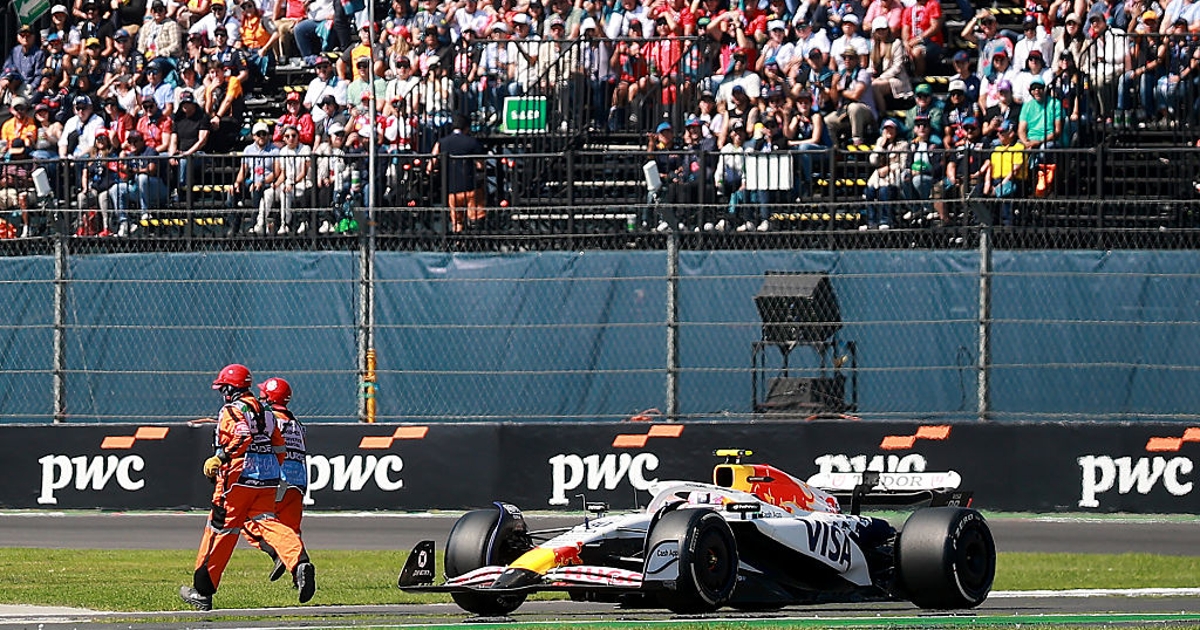
Liam Lawson, the talented New Zealand driver, faced scrutiny following the Mexico City Grand Prix, where accusations were raised regarding his handling of yellow flags during the race. The situation escalated after two track marshals were spotted on the circuit while Lawson navigated Turn 1, prompting an alarming reaction from the driver, who expressed his concerns over team radio. In light of this incident, the FIA has stepped in to clarify its stance on Lawson’s actions and the subsequent investigation.
Incident Overview
During the Grand Prix held on Sunday, Lawson encountered a potentially dangerous situation as he approached Turn 1. The incident drew attention when it came to light that two track marshals were moving across the track, presumably to attend to debris left from a previous incident. Lawson’s immediate reaction on the team radio was one of shock and anger, as he emphasized the severity of the situation, stating, “I could have f***ing killed them.” After exiting his car, Lawson deemed the situation unacceptable, which further fueled the debate surrounding the event.
In response to the controversy, the Organizacion Mexicana De Automovilismo Internacional (OMDAI), the Mexican federation affiliated with the FIA, released a detailed document outlining the sequence of events. This report criticized Lawson for allegedly not adhering to the protocols associated with yellow flags, which are designed to ensure the safety of both drivers and track personnel.
Analysis of the Situation
According to the OMDAI report, as Lawson rejoined the track, he was confronted with panel three displaying double yellow flags. The Racing Bulls team, Lawson’s Formula 1 team, had reportedly informed him via radio about the presence of debris and the necessity to exercise caution in that part of the circuit. The report stated that Lawson was expected to significantly reduce his speed, avoid overtaking, and be prepared to stop if necessary, in line with safety regulations.
The footage from the onboard camera provides crucial context for understanding the incident. As Lawson approached Turn 1, he began to steer into the racing line, and it became evident that the track marshals were actively engaged in their duties to clear the circuit. The proximity of Lawson’s car to the work area raised alarms about the safety protocols in place and whether they were adequately followed.
The OMDAI’s findings indicated that Lawson maintained his steering angle while approaching the turn, seemingly disregarding the presence of the marshals crossing the track. This analysis suggested that he did not adjust his trajectory despite the clear visibility of the personnel.
FIA’s Defense of Lawson
In an effort to provide clarity amidst the controversy, the FIA responded to the accusations against Lawson. The governing body emphasized that Lawson had, in fact, reduced his speed in accordance with the yellow flags displayed. The FIA’s statement highlighted the importance of track safety and acknowledged that any scenario where marshals find themselves on the circuit while cars are approaching is a situation that must be managed with utmost care.
While the investigation is still ongoing, the FIA has expressed appreciation for the professionalism of the marshals and volunteers who play a critical role in ensuring the safe operation of the sport. The governing body acknowledged that it is fortunate the incident did not result in any severe consequences and reiterated its commitment to understanding the circumstances surrounding the event to prevent similar occurrences in the future.
The Investigation Process
The ongoing investigation aims to thoroughly analyze the incident’s details. This includes gathering and reviewing all pertinent evidence, such as telemetry data and radio communications from various parties involved. The FIA is collaborating closely with both the OMDAI and the Racing Bulls team to ensure a transparent process. The ultimate goal is to enhance the safety measures within the sport, aligning with the shared objective of both the FIA and the teams.
The findings from the investigation will be shared once all relevant evidence has been reviewed and analyzed. Initial telemetry data has already indicated that Lawson reacted appropriately to the double yellow flags, slowing down significantly more than during his previous laps as he approached Turn 1. The FIA’s preliminary assessment shows that Lawson did not act inappropriately during the incident.
Importance of Safety in Motorsports
This incident underlines the critical importance of safety in motorsports. Formula 1, like all forms of racing, relies heavily on the effectiveness of safety protocols and the vigilance of track marshals. The presence of marshals on the track during a race can be a dangerous scenario, particularly if drivers do not adhere to the signals displayed.
The FIA’s commitment to investigating this incident reflects its broader mission to improve safety measures continually. By analyzing incidents like these, the organization can identify gaps in safety protocols and implement necessary changes to enhance the sport’s overall safety for both drivers and track personnel.
In the aftermath of the incident, discussions around driver awareness and the importance of respecting yellow flags have gained traction. Drivers must be trained to respond effectively to various scenarios on the track, especially when it comes to protecting those who work tirelessly to maintain the safety of the racing environment.
The Role of Technology in Enhancing Safety
As technology continues to evolve, so too does its application within motorsports. Advanced telemetry systems and onboard cameras provide invaluable data that can be utilized to assess driver behavior and track conditions in real time. This technology not only aids in investigations but also assists teams in developing strategies to improve driver safety.
Moreover, the integration of better communication tools between drivers and teams can enhance situational awareness. Ensuring that drivers receive timely and accurate information about track conditions and potential hazards is paramount in preventing incidents.
The conversation surrounding safety in motorsports must remain a priority. As teams, governing bodies, and drivers work together, a shared commitment to creating a safer racing environment can lead to meaningful changes that benefit everyone involved in the sport.
Conclusion
The incident involving Liam Lawson at the Mexico City Grand Prix serves as a critical reminder of the inherent risks in motorsport. The FIA’s support for Lawson amidst the scrutiny reflects its commitment to a thorough investigation and a focus on safety. As the investigation unfolds, it is essential to continue fostering a culture of safety within racing, ensuring that incidents like this do not repeat in the future.
The ongoing dialogue surrounding safety regulations, driver awareness, and the role of technology in motorsports will be vital in shaping a safer future for the sport. As the FIA, teams, and drivers work collaboratively, the ultimate goal remains the same: to enhance the safety and integrity of motorsports for all participants.
