The Challenges of Interlagos: A Deep Dive into the 2025 São Paulo Grand Prix
The Interlagos circuit, officially known as Autódromo José Carlos Pace, continues to hold its reputation as one of the most challenging tracks in the Formula 1 calendar. As we look ahead to the 2025 São Paulo Grand Prix, it’s clear that the unique characteristics of this track will test the limits of teams and drivers alike. The combination of a short lap, unpredictable weather conditions, and the introduction of a Sprint weekend make Interlagos a true crucible for racing excellence.
The Nature of Interlagos: A Brief Overview
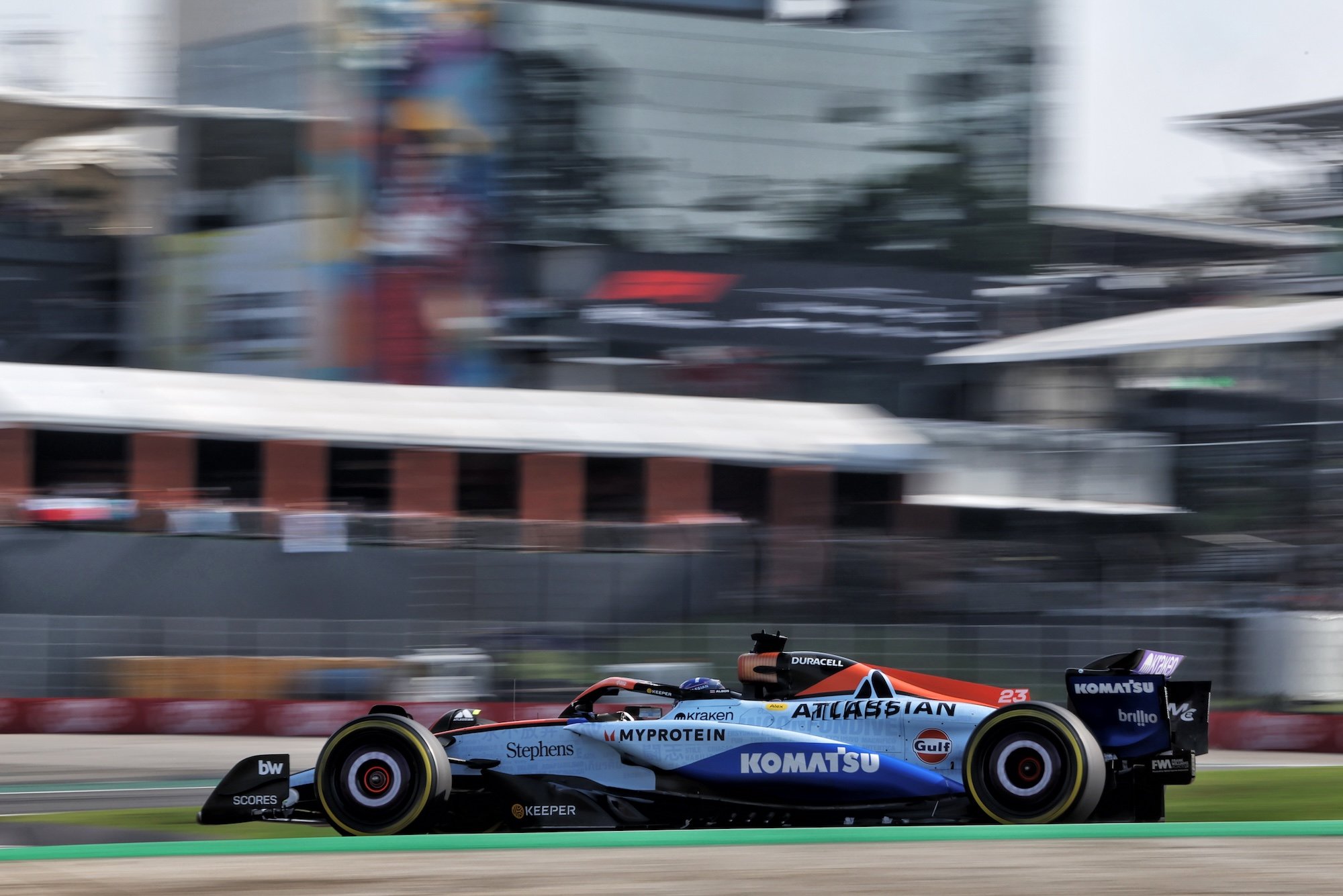
Interlagos is renowned for its ability to differentiate between the capable and the less fortunate. The circuit’s layout is designed in such a way that even the smallest mistakes can have monumental consequences. It’s not uncommon for the gap between competitors to be a mere fraction of a second. During a recent press briefing, team leaders James Vowles from Williams and Alan Permane from Racing Bulls elaborated on the challenges that await teams at this iconic venue.
The Tight Margins of Performance
One of the critical factors at Interlagos is the incredibly tight performance margins. Vowles pointed out that the difference in qualifying times can be astonishingly small. "The gap between eighth and eighteenth place can be less than a second," he noted. This implies that even the slightest inconsistency—whether it’s related to car setup, wind conditions, or temperature fluctuations—can dramatically alter race outcomes. These nuances make Interlagos a relentless battleground for drivers who must execute their strategies flawlessly.
Permane echoed this sentiment, highlighting the technical and psychological pressures of the weekend. "It’s a short circuit," he said, "which means traffic is always an issue, especially during qualifying. With the Sprint format, you only have one hour to find the right balance for the car. If you make a misstep in free practice, that error can haunt you for the rest of the weekend. Interlagos punishes those who don’t get it right on the first try."
The Impact of Weather Conditions
Adding to the complexity of racing at Interlagos is the unpredictable weather. The circuit is located at a medium altitude and features long traction-heavy corners, which can significantly affect tire performance. "You might find yourself in an optimal operating window, and then suddenly rain changes everything," Vowles explained. The ability to make rapid decisions and trust in accurate data becomes crucial in such variable conditions.
Top teams often manage more considerable performance margins, while those in the midfield, including Racing Bulls, Williams, Sauber, and Haas, navigate within an extremely narrow performance band. Permane emphasized the stakes involved: "A slow out-lap or a pit stop that takes just 0.3 seconds longer can drop you from Q3 to Q1. If you lose a tenth of a second, you could fall ten positions on the grid. It’s that straightforward."
The Unpredictability of São Paulo
The weather in São Paulo introduces another layer of unpredictability to the race weekend. Localized rain, shifting winds, and track temperatures that can fluctuate by ten degrees within minutes require teams to adapt their strategies constantly. "This circuit rewards flawless execution," Vowles concluded. "Interlagos does not forgive. You could be in the right group one moment, and then find yourself plummeting down the order the next."
The Sprint Weekend Format
With the Sprint race format being part of the weekend, the pressure on teams intensifies. This new structure allows for less practice time, putting an even greater emphasis on immediate performance. Teams must quickly gather data and adapt their setups to maximize their chances of a good qualifying position.
The Sprint race itself serves as a crucial opportunity for teams to earn additional points and improve their grid positions for the main event. However, it also increases the risk factor; any mistakes made during the Sprint could have dire consequences on Sunday. The dynamic nature of this format adds to the intensity of the competition, particularly for those teams jockeying for position in the midfield.
Navigating the Midfield Battle
As the 2025 São Paulo Grand Prix approaches, the competition in the midfield is expected to be fierce. With so many teams operating on such a tight performance band, every fraction of a second will count. The battle for supremacy among Racing Bulls, Williams, Sauber, and Haas will be a highlight of the weekend. Each team will be looking to capitalize on any opportunity to move up the grid.
The reliance on precise execution is paramount; one team’s miscalculation could open the door for another to seize the advantage. Teams will be analyzing every aspect of their performance, from tire strategies to pit stop efficiency, to ensure they remain competitive throughout the weekend.
The Psychological Pressure of Racing
Beyond the technical challenges, the psychological aspects of racing at Interlagos also play a significant role. Drivers must maintain focus and composure in an environment where the stakes are incredibly high. The combination of pressure from the team, the unpredictability of weather, and the knowledge that every split second counts can weigh heavily on a driver’s mind.
As Vowles aptly put it, "Interlagos is a place where you have to be mentally sharp. One mistake can lead to a significant setback, and the psychological burden can be immense." Drivers must find ways to manage their stress levels while remaining committed to their strategies.
Conclusion
The 2025 São Paulo Grand Prix at Interlagos promises to be another thrilling chapter in the world of Formula 1. With its unique track characteristics, unpredictable weather, and the introduction of the Sprint race format, teams will need to be at their best to navigate the challenges ahead. The battle in the midfield will be one to watch, as every millisecond will determine the outcome of the race. As we approach the event, the anticipation builds, and the excitement for what lies ahead continues to grow among fans and teams alike.
