The Recent Struggles of Max Verstappen and the Red Bull Team
In the fast-paced world of Formula 1, the dynamics of performance can shift rapidly, leaving fans and teams alike in a state of surprise. Recently, the focus has turned to Max Verstappen and the Red Bull Racing team, who have faced unexpected challenges in their pursuit of championship glory. Following a series of races that saw both highs and lows, the questions surrounding their performance have intensified, particularly in the wake of disappointing results in Mexico City and Brazil.
The Unexpected Dip in Form
Max Verstappen, a seasoned driver known for his exceptional skill and competitive spirit, experienced a significant downturn in performance. This decline was particularly evident during the races at Circuit of the Americas (COTA) and in Mexico City, where he struggled to maintain the pace that fans have come to expect from him. While Oscar Piastri’s performance drew considerable attention, Verstappen’s hurdles were equally notable, especially given his stature as a championship contender.
As the weekend in São Paulo unfolded, Verstappen’s difficulties persisted. Despite showing promise during practice sessions, he faced challenges during Sprint qualifying, ultimately finishing fourth in the Sprint race. This was followed by a shocking exit in Q1 during the qualifying round, marking the first time in his F1 career that he had been eliminated in Q1 due to pure pace. Previously, any Q1 exits had been influenced by impending power unit penalties or grid drops, making this instance particularly concerning.
A Streak of Misfortune
Last year, Verstappen demonstrated his prowess by starting from 16th position and clinching victory at Interlagos. That race showcased his ability to adapt and excel in various weather conditions, combined with a Red Bull car that was competitive across the board. However, the current season presents a different narrative. With no fortunate circumstances to lean on this time, Verstappen’s team has been struggling to understand the underlying issues affecting their performance.
“We need to understand what our problems are, first of all. It’s just not been good,” Verstappen commented after the qualifying session. His frustration was palpable as he elaborated, “It seems we don’t really understand why it’s going that way. Just no grip. We changed a few things on the car and it didn’t work – something we need to figure out … Nothing seems to work. We changed a lot on the car. We just don’t understand. Similar [feeling to Mexico] I would say, but something is just not switching on in our car at the moment.”
The dramatic shift from a team that once appeared to have mastered their car’s performance to one struggling to find the right setup is indeed surprising. While McLaren’s resurgence has been noteworthy, the trajectory of Red Bull Racing has left many fans and analysts speculating about the possible causes.
The Role of Upgrades
One potential explanation for this sudden decline in performance is the introduction of upgrades, particularly a new floor design that Red Bull implemented. Throughout the season, the team has faced challenges in consistently enhancing their car’s performance. The struggles witnessed in Mexico City and São Paulo coincided with the rollout of this new component, highlighting the difficulties that come with developing high-performance vehicles.
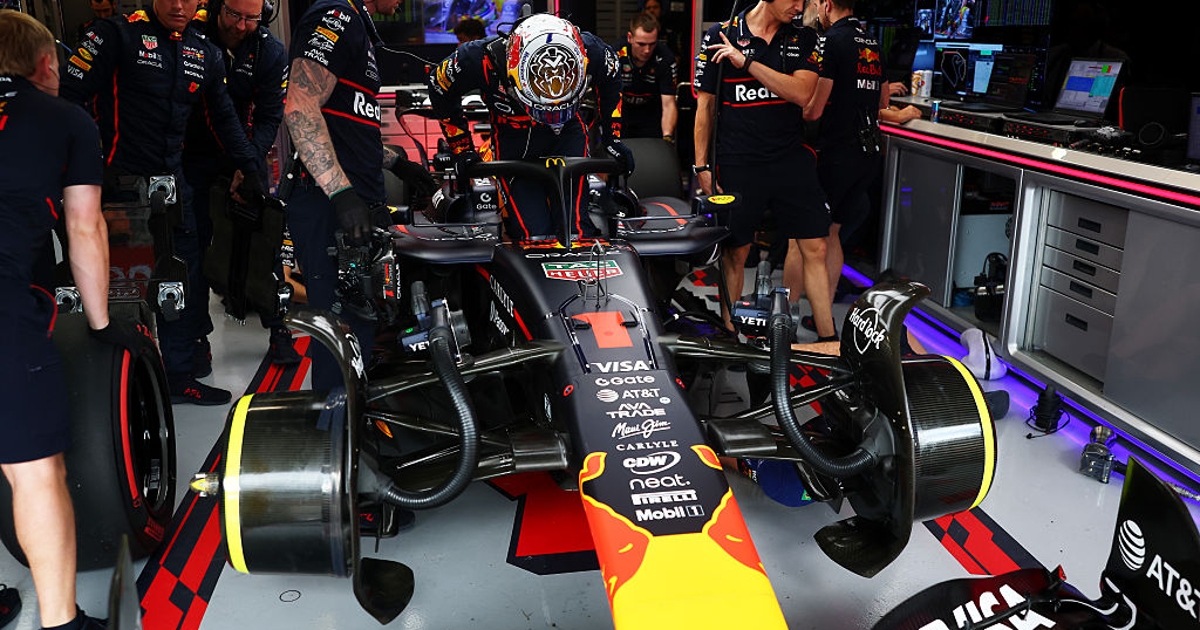
While the team had hoped the new floor would enhance their competitiveness, the initial results were far from encouraging. Verstappen, recognizing the issues, reverted to the previous floor specification for the qualifying session, only to find that the performance was even worse than anticipated. This led to a critical juncture where the team had to consider drastic measures to regain their competitive edge.
A Possible Strategy Shift
Faced with the prospect of starting 16th on the grid, the Red Bull team may need to consider radical strategies to improve their chances in the race. One option could be to take the car out of parc fermé and start from the pit lane, allowing for a complete overhaul of the setup and specifications. This would provide the team with a fresh opportunity to address the current deficiencies in performance while also allowing them to potentially introduce a new power unit without significant penalties.
Verstappen himself acknowledged the dire nature of their situation, stating, “Where we are starting, that’s not going to work. With these kinds of performances, I mean, forget about it.” With the championship title on the line and the final races approaching, the stakes could not be higher for both Verstappen and Red Bull Racing.
The Challenge of Finding Solutions
As the team grapples with these issues, a key factor in their recent performance has been a lack of understanding of how to optimize the RB21 car. The ability to make effective adjustments throughout a race weekend is crucial, and without that understanding, Verstappen and the team may find themselves in a familiar cycle of taking significant risks with their setup.
This ongoing struggle to find the right balance has put additional pressure on the team. They have had to navigate the complexities of car performance, which can fluctuate dramatically based on minor adjustments or external conditions. The inability to achieve the desired response from the car has left both driver and team in a precarious position.
Implications for the Championship
As Verstappen and Red Bull Racing approach the final stretch of the season, the implications of their current performance cannot be overstated. With only a few races left, every point gained or lost becomes increasingly significant. The pressure to perform at a high level is compounded by the fierce competition from rival teams, making each race critical for their championship aspirations.
The upcoming triple-header in Las Vegas represents a pivotal moment for Verstappen and Red Bull. They must not only find a solution to their current troubles but also regain the momentum that has been lost in recent weeks. The potential for a turnaround exists, but it will require a concerted effort from the entire team to adapt and innovate.
Conclusion
In summary, the recent challenges faced by Max Verstappen and the Red Bull Racing team highlight the unpredictable nature of Formula 1. The combination of technical difficulties, strategic decisions, and the pressure of competition has created a complex scenario that requires careful navigation. As the season progresses, all eyes will be on Verstappen and his team to see if they can overcome these hurdles and reclaim their position among the championship frontrunners. The road ahead may be fraught with challenges, but the resilience of Verstappen and the Red Bull team will be tested in the coming races.
