Innovations in IndyCar: Testing New Brake Systems and Shock Absorbers for Future Races
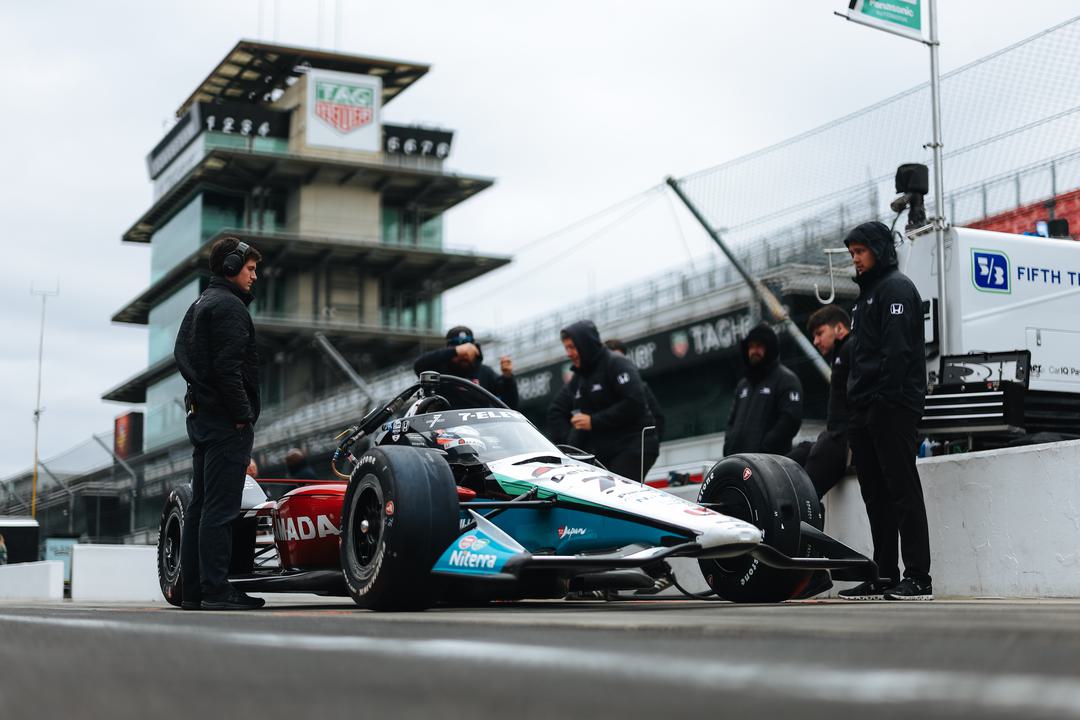
The Indianapolis Motor Speedway recently hosted a pivotal test session, designed not just to evaluate new technologies but also to strategically plan for the future of IndyCar racing. As the off-season approaches, the focus is on enhancing safety and cost-effectiveness, two critical factors for teams and drivers alike. During this session, two renowned drivers, Alexander Rossi from Ed Carpenter Racing and Takuma Sato from Rahal Letterman Lanigan Racing, took the wheel to assess groundbreaking changes that could redefine the standards of racing performance.
New Brake Systems: Enhancing Safety and Performance
One of the most pressing innovations under evaluation is the new brake system, aimed at replacing the existing "one-size-fits-all" concept with a more specialized solution tailored for oval tracks, set to be implemented by 2026. This development is spearheaded by Performance Friction Corporation (PFC), which has introduced a new brake caliper model that promises to be lighter, smaller, and quicker in response time.
The Importance of Effective Braking
The need for an improved braking system has become increasingly apparent. In recent years, many drivers have reported challenges when decelerating from speeds exceeding 200 mph (approximately 320 km/h) to around 60 mph (approximately 100 km/h) as they approach the pits, especially after long stints without utilizing the brakes. This difficulty has raised concerns about safety and the overall driving experience.
Positive Feedback from Testing
After testing the new brake components, both Rossi and Sato provided feedback that was "very, very positive," according to Mark Sibla, the Vice President of Competition for IndyCar. The anticipation is that this specialized caliper will be adopted across all oval races, which could potentially streamline the braking system further. One significant advantage might be the reduction in the number of pistons in the rear calipers from six to four, which could enhance both efficiency and performance.
Addressing Costs: The Future of Shock Absorbers
In addition to the braking system, the IndyCar series is also focusing on the shock absorbers, which represent the last major area of open development in car suspensions. This aspect has led to a costly arms race among teams, with research and development budgets and salaries for specialists soaring to unprecedented levels. The financial burden has prompted team owners to advocate for more economical solutions.
Testing New Shock Absorber Models
As part of the initiative to control costs, the series has begun testing two new shock absorber models provided by the Swedish company Ohlins as potential options for the new chassis set to debut in 2028. This test served as an initial filter, allowing teams to evaluate the effectiveness of the shock absorbers in real-world conditions. While one of the models was ultimately dismissed, the other showed promise but will require further adjustments to align with the drivers’ preferences.
Balancing Performance and Financial Viability
This testing process is seen as a crucial first step in addressing a complex issue that seeks to balance technical equity with the financial health of the teams involved in the series. The goal is to find a solution that not only enhances performance but also makes racing more accessible to a broader range of teams, ensuring a competitive yet sustainable environment.
Impact on Drivers and Teams
For spectators and fans of IndyCar racing, these technological advancements promise to yield significant benefits. More efficient brakes at the Indianapolis Motor Speedway could lead to enhanced safety measures, reducing the potential for accidents and providing a smoother experience during pit stops. Likewise, the specification of shock absorbers, if adopted, has the potential to level the playing field, tightening the competition further and fostering closer racing.
The Road Ahead for IndyCar
The evolution of these technologies represents a silent yet powerful transformation within the championship. As the series continues to innovate, it aims to create a safer, fairer, and more sustainable racing environment that not only captivates fans but also supports the teams that make the sport possible. The ongoing commitment to enhancing both safety and performance reflects a deep understanding of the challenges faced by drivers and teams, ultimately shaping the future of IndyCar racing.
In conclusion, the advancements being tested at the Indianapolis Motor Speedway, particularly in the areas of braking systems and shock absorbers, signify a forward-thinking approach by the IndyCar series. By prioritizing safety and cost-efficiency, the series is poised to adapt to the evolving landscape of motorsport, ensuring that it remains competitive and relevant in the years to come. As these innovations develop, they hold the potential to redefine racing strategies and enhance the overall experience for everyone involved in the sport.
