Yuki Tsunoda’s Unexpected Collision with Lance Stroll at the Brazilian Grand Prix
In the high-stakes world of Formula 1 racing, unexpected incidents can dramatically alter the course of a race. Such was the case during the Brazilian Grand Prix when Yuki Tsunoda found himself involved in a collision with Lance Stroll, resulting in a spin that derailed both drivers’ performances. The incident underscores the unpredictable nature of motorsport, where a single moment can lead to significant consequences.
The Incident: How It Happened
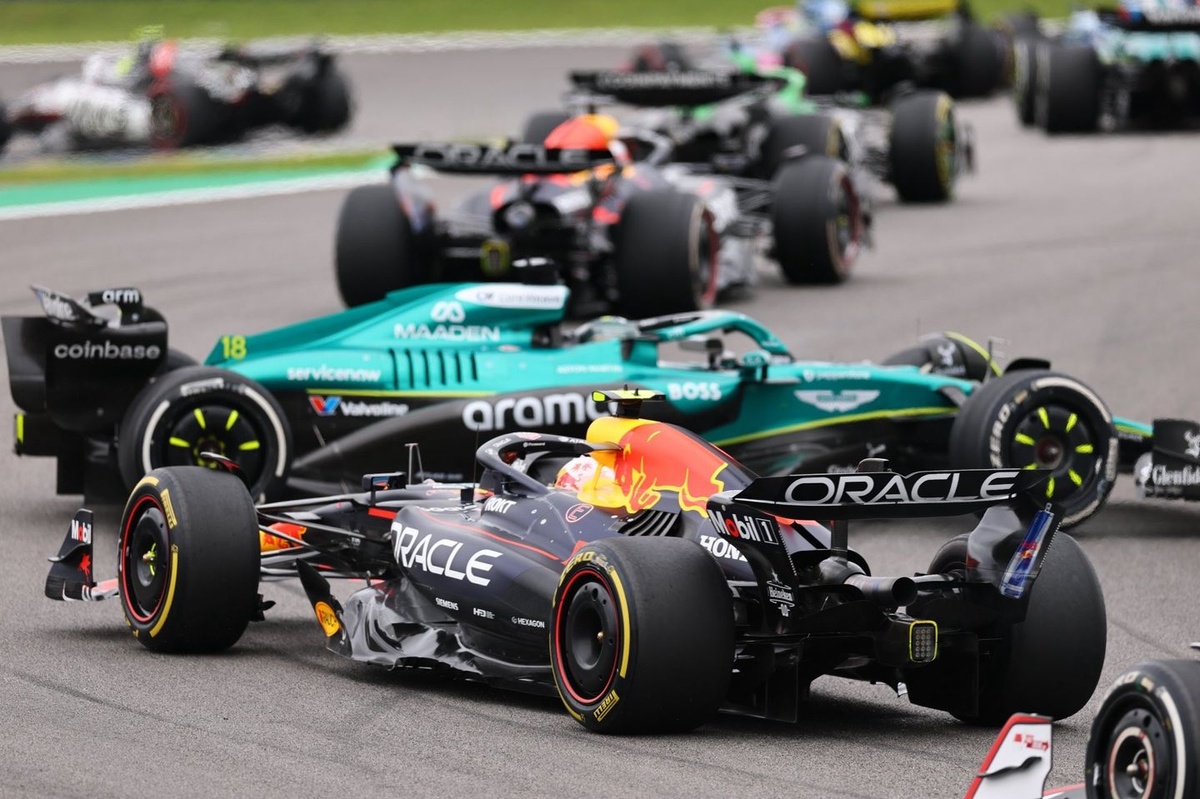
The Brazilian Grand Prix, held at the Interlagos circuit, saw Tsunoda in a challenging position as the race resumed after a safety car period. On lap six, while navigating the Ferradura corner, Tsunoda was following Franco Colapinto closely. In an attempt to overtake, Tsunoda braked later than usual, swerving to avoid contact with the Alpine car in front of him. Unfortunately, this maneuver led him to unintentionally tap Stroll’s Aston Martin, sending the Canadian driver into a spin.
This kind of contact in Formula 1 is not uncommon, as the tight nature of the circuits often leaves little room for error. Tsunoda’s decision to push for a better position at such a critical moment ultimately resulted in a penalty that compounded his difficulties throughout the race.
The Aftermath: Penalties and Performance
Following the collision, the race stewards deemed Tsunoda responsible for the incident, handing him a 10-second penalty. This setback was compounded by a further 10-second penalty incurred during his next pit stop, a mishap attributed to Red Bull’s failure to serve the initial penalty correctly. As a result, Tsunoda’s hopes for a competitive finish evaporated, and he ended the race in 17th place, the last position.
In the post-race media briefing, Tsunoda expressed his surprise at the contact, stating, “To be honest, I didn’t even notice the contact.” Such reactions are not uncommon among drivers who often operate under intense pressure and split-second decision-making. He acknowledged the need to review the incident further, indicating that he was still processing the events of the race.
Despite the challenging outcome, Tsunoda mentioned that he felt his pace was decent, particularly during the latter stages of the race. “I was completely out of position,” he remarked, highlighting the frustration of being unable to translate his speed into a better result. His assessment of the race encapsulated the challenges faced: “A shame about the penalties and extra pit stop that was not in my control.”
A Tough Weekend for Red Bull Racing
For Red Bull Racing, the Brazilian Grand Prix was a difficult outing overall. Tsunoda’s struggles were mirrored by his teammate Max Verstappen, who, despite finishing third, faced his own set of challenges throughout the race. The contrasting fortunes of the team underscored the unpredictable nature of motorsport, where one driver can thrive while another grapples with adversity.
Tsunoda’s qualifying performances were indicative of a challenging weekend, as he secured 18th place for the sprint race and 19th for the main event. Such results can be disheartening for any driver, especially when competing at a level as elite as Formula 1. The added penalties compounded what was already a difficult race, leaving Tsunoda and the Red Bull team searching for answers.
Insights from Team Principal Laurent Mekies
Team principal Laurent Mekies provided insights into Tsunoda’s performance, acknowledging the unfortunate circumstances surrounding the penalties. He noted, “He lost a lot of time in the contact, got the extra 10-second penalty, then we made a mistake on our side and we got another 10-second extra penalty.” Mekies’ comments reflect the often intricate and multifaceted nature of race strategy and execution in Formula 1.
Despite the challenges, Mekies highlighted the positives from Tsunoda’s performance, particularly during his final stint in clean air. “You can do it yourself if you take the race plot and remove these two times 10 seconds; you actually end up in a decent fight for points,” he explained. This perspective emphasizes the razor-thin margins that can define success or failure in racing.
Hypothetically speaking, if Tsunoda’s race time had been adjusted by removing the two penalties, he would have found himself in a much more competitive position. However, racing is filled with “what ifs,” and the reality of the situation is that penalties and mishaps can dramatically influence the outcome.
The Bigger Picture: Learning from Adversity
For Yuki Tsunoda, the Brazilian Grand Prix serves as a reminder of the complexities and challenges of Formula 1 racing. Each race presents an opportunity for growth, and incidents like the one with Stroll can provide valuable lessons for drivers and teams alike. Tsunoda’s ability to reflect on his performance and identify areas for improvement will be crucial as he looks to bounce back in future races.
The Brazilian Grand Prix was not just a test of speed but also of resilience. As Tsunoda navigates the ups and downs of his racing career, the experiences gained from such incidents will undoubtedly contribute to his development as a driver.
The Role of Team Dynamics
The dynamics within a Formula 1 team play a pivotal role in shaping a driver’s performance on the track. The collaboration between engineers, strategists, and drivers is essential for achieving optimal results. In the case of Tsunoda, the miscommunication during the pit stop highlighted the importance of seamless coordination within the team. It serves as a reminder that every aspect of a race weekend requires precision, from qualifying to the race itself.
Team principal Mekies’ acknowledgment of the mistakes made during the race underscores the collective responsibility shared by the entire team. In motorsport, the success of an individual driver is often a reflection of the support and strategy provided by the team. As Red Bull evaluates their performance and strategies moving forward, the lessons learned from the Brazilian Grand Prix will undoubtedly inform their approach in upcoming races.
Looking Ahead: Future Races and Challenges
As the Formula 1 season progresses, drivers like Yuki Tsunoda face the challenge of maintaining focus and determination in the face of setbacks. Each race presents new opportunities for redemption, and the ability to learn from past experiences will be crucial for success. As Tsunoda continues to develop his skills and adapt to the demands of racing at this elite level, fans and analysts alike will be watching closely to see how he responds to the challenges ahead.
The Brazilian Grand Prix may have been a setback for Tsunoda, but it also sets the stage for potential comebacks. With the right mindset and support from his team, he has the opportunity to turn the lessons learned into future successes. In the competitive world of Formula 1, resilience is key, and the ability to bounce back from adversity often defines the careers of the sport’s best drivers.
As the season unfolds, the focus will remain on Tsunoda and his performance, as well as the overall trajectory of Red Bull Racing. The unpredictable nature of Formula 1 ensures that every race is filled with excitement, drama, and the potential for surprises, keeping fans engaged and on the edge of their seats.
In conclusion, Yuki Tsunoda’s collision with Lance Stroll at the Brazilian Grand Prix serves as a powerful reminder of the complexities and unpredictability of Formula 1 racing. The incident not only impacted the race outcomes for both drivers but also highlighted the importance of teamwork, strategy, and resilience in the face of challenges. As the season continues, both Tsunoda and Red Bull Racing will be looking to build on their experiences and strive for excellence on the track.
