Alpine F1 Team’s 2025 Season Challenges and Future Plans
Alpine F1 Team has been navigating a challenging landscape during the 2025 Formula 1 season, grappling with unexpected setbacks and strategic decisions that have positioned them at the back of the constructors’ championship. Steve Nielsen, the managing director of Alpine, recently shared insights into the team’s struggles and the rationale behind their early focus on the incoming 2026 regulations.
Initial Promising Start to the Season
At the beginning of the 2025 season, expectations were relatively high for Alpine. The team entered the year with momentum from a strong finish in 2024, evidenced by Pierre Gasly’s impressive performance. Gasly managed to reach Q3 on three occasions during the first six races, which included a notable fifth-place start and a seventh-place finish at the Bahrain Grand Prix. Such results hinted at potential competitiveness and optimism within the team.
Shifting Focus Amidst Rivals’ Development
However, as the season progressed, Alpine began to lose its competitive edge. The decision to halt the development of their A525 car around the time of the Spanish Grand Prix in June proved to be a pivotal moment. The rationale behind this decision was to redirect resources towards preparing for the significant regulatory changes set to take effect in 2026. Unfortunately, this strategic shift coincided with rivals like Haas continuing to introduce enhancements to their vehicles, leaving Alpine struggling to keep pace.
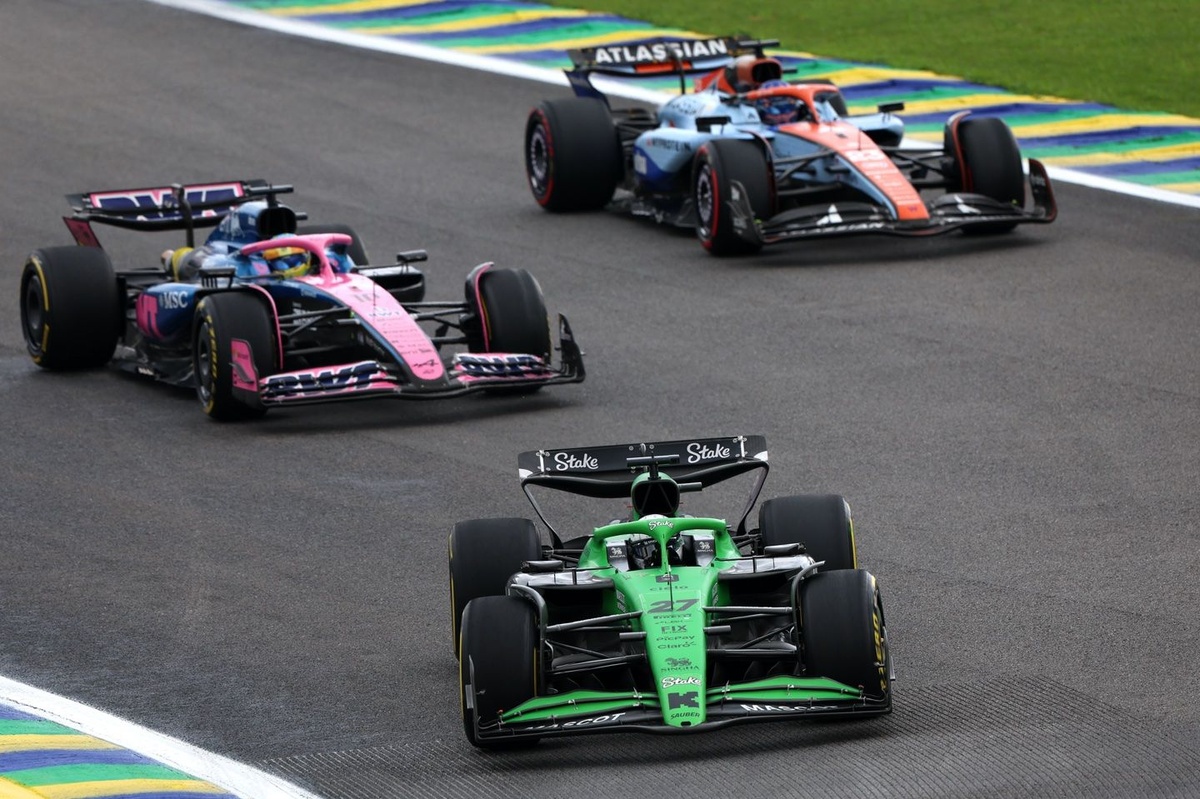
Haas, in particular, exemplified the situation with their significant floor and bodywork upgrades rolled out for the United States Grand Prix. As a result, the latter part of the season became increasingly difficult for Alpine, with both Gasly and teammate Franco Colapinto often finding themselves engaged in battles at the rear of the grid, primarily competing against one another rather than contending with other teams.
Assessing the Core Issues
Nielsen was candid about the challenges facing Alpine, stating, "To sum it up, our biggest problem is our car’s not fast enough." He acknowledged the multitude of factors contributing to this shortfall, both from the Enstone base and on the racetrack itself. The crux of the issue, according to Nielsen, lies in the performance of the current car, which does not meet the necessary standards. He emphasized the urgency of developing a more competitive vehicle for the upcoming season.
The managing director expressed confidence in the team’s ability to make significant improvements by next year. He noted that Alpine was among the earliest teams to pivot towards the 2026 regulations, which could provide a competitive advantage if executed effectively. "The earlier you start that, the more developed your car will be when you start racing," he remarked.
Embracing Early Development Strategy
Nielsen, who took on his role within Alpine in September, defended the team’s decision to shift their focus early to the next-generation car. However, he admitted that the extent to which their competitors continued to develop their vehicles throughout the season was unexpected. He pointed out that teams like Haas caught them off guard with their late-season upgrades, which further complicated Alpine’s situation.
When asked why Alpine opted not to continue developing the 2025 car while also preparing for the 2026 challenger—an approach that other teams managed to balance—Nielsen elaborated on the complexities involved. He highlighted the logistical challenges of simultaneously developing two cars, noting that most teams have access to only one wind tunnel at a time, which is further regulated.
"To keep our 2025 car in the wind tunnel means we cannot put our 2026 car in," he explained. The process of switching between models leads to downtime and inefficiencies, as it requires recalibration and significant time investment. Consequently, the team concluded that concentrating efforts solely on the future vehicle would yield the most substantial advancements.
Reflecting on Pre-season Optimism
Nielsen also reflected on the pre-season testing in Bahrain, where the team appeared competitive. This performance led to some surprise at how much progress rival teams had made. "We were kind of surprised by the amount of work the others have done," he noted. He expressed hope that by the time the next season rolls around, Alpine would be in a position to validate their early decision-making.
Managing Pressure Moving Forward
Despite the difficulties encountered this season, Nielsen does not believe that the early focus on the 2026 regulations will exacerbate pressure on the team. "There’s always pressure in F1," he stated, acknowledging that the intensity of competition exists regardless of a team’s position in the standings. He emphasized that pressure is an inherent aspect of the sport, whether a team is vying for first place or fighting for tenth.
Nielsen elaborated on the nature of pressure within the realm of Formula 1, explaining that it often stems from unmet expectations, whether related to performance or operational aspects like pit stops and strategy calls. He noted that the pursuit of perfection in such a high-stakes environment makes it challenging for anyone involved to feel completely satisfied, as there are always areas for improvement.
The Paradox of Performance and Pressure
The managing director also discussed the paradoxical relationship between car performance and pressure. He noted that as a car becomes faster and more competitive, the pressure to deliver on that potential increases. "When you have a car that you know can win… it’s more a feeling of relief than happiness," he explained. The rationale is that achieving the potential of a competitive car is essential for satisfaction; failure to meet that potential often leads to disappointment, regardless of the outcome.
Nielsen’s self-critical perspective is reflective of the broader F1 mentality, where teams and personnel are continually striving for excellence. The pressure to perform is relentless, and the focus on shortcomings can overshadow successes, making it crucial for teams to maintain perspective and resilience through challenging seasons.
Looking Ahead: A Focus on Development and Competitiveness
As Alpine prepares for the 2026 season, the emphasis will be on developing a car that can compete effectively in the evolving landscape of Formula 1. The team is committed to leveraging the lessons learned during the 2025 campaign to make informed decisions and optimize their approach moving forward.
The Alpine F1 Team remains resolute in its mission to enhance competitiveness and reclaim a stronger position within the championship. With a strategic focus on the future and a commitment to learning from the past, the team is determined to emerge as a formidable contender in the upcoming seasons.
In conclusion, the challenges faced by Alpine during the 2025 season have underscored the dynamic nature of Formula 1 and the necessity for strategic adaptability. As they transition into a new era with the 2026 regulations, the hope is that the lessons learned will pave the way for a more successful and competitive future. The journey ahead promises to be one of growth and development as the team seeks to reclaim its place among the frontrunners in the sport.
