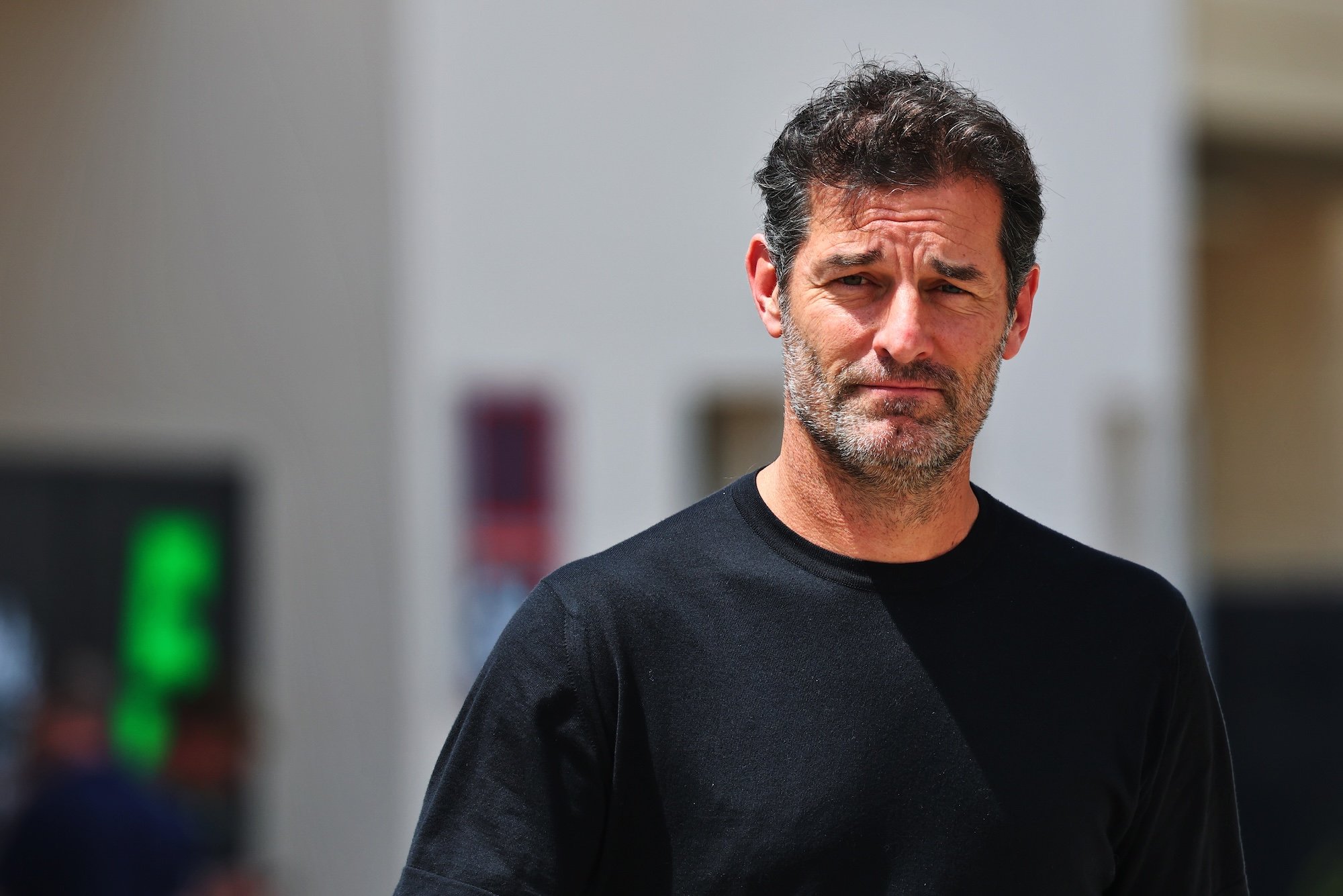
Ralf Schumacher Critiques Mark Webber’s Management of Oscar Piastri
In the world of Formula 1, where precision, strategy, and team dynamics play a pivotal role, the relationship between drivers and their management can significantly influence performance and morale. Recently, Ralf Schumacher, a former F1 driver turned commentator, has voiced strong opinions regarding Mark Webber’s approach to managing Oscar Piastri, the rising star within the McLaren team. Schumacher’s remarks have stirred conversations about the responsibilities of a manager in the high-stakes environment of Formula 1 racing.
Background on the Controversy
Ralf Schumacher’s critique came during an episode of the podcast "Backstage Boxengasse," where he unpacked the dynamics at McLaren, particularly focusing on the interactions between Piastri and his teammate, Lando Norris. Schumacher drew parallels between Webber’s current management style and his own experiences during his tenure with Red Bull Racing. He pointed out that Webber’s inability to effectively manage the internal competition and support his driver could be detrimental to both Piastri’s development and the team’s overall performance.
The Importance of Effective Management
In Formula 1, the manager’s role is not merely to act as a liaison between the driver and the team; it encompasses mentoring, guiding, and providing strategic advice. Schumacher emphasized that Webber seems to lack the necessary perspective to support Piastri adequately. He remarked, "It appears that he does not possess the maturity required to identify what actions would best assist both the team and his driver." This assertion raises questions about the attributes that make a successful manager in such a competitive environment.
Analyzing Webber’s Management Style
Schumacher’s analysis suggests that Webber may be falling short in his role by not actively engaging in the nuances of team dynamics. According to Schumacher, Webber’s tendency is to avoid confrontation and instead rely on passive communication methods, such as phone calls, rather than addressing issues directly with his driver and the team. This approach has raised concerns about the potential for favoritism and bias within the team, particularly regarding how Norris and Piastri are treated.
"Instead of taking action and clarifying the situation, Webber seems to prefer remaining uninvolved," Schumacher lamented. This sentiment reflects a broader concern within the sport about the necessity for managers to cultivate an environment of transparency and fairness.
The Role of Fairness in Team Dynamics
One of the critical points raised by Schumacher revolves around the fairness perceived between the two drivers. With rumors circulating about favoritism towards Norris, Schumacher believes it is crucial for Webber to intervene and ensure that both drivers feel equally valued and supported. He stated, “A manager must step in during such situations to promote a balanced atmosphere within the team.”
The Challenge of Performance Disparities
Schumacher further elaborated on the performance differences between Norris and Piastri, indicating that these disparities stem from the car’s characteristics rather than any favoritism from the team. "The car simply suits Lando better at this moment, and Oscar requires a bit more time to adapt," he explained. This insight highlights the complexities of racing, where factors such as vehicle dynamics, driver style, and strategic decisions can heavily influence results.
Drawing Comparisons: Willi Weber’s Approach
To illustrate his point about effective management, Schumacher referenced Willi Weber, the former manager of his brother, Michael Schumacher. He recalled how Weber was always straightforward in his dealings: "I didn’t agree with everything Willi said, but he was upfront with us. He would say, ‘You need to own your mistakes or thank the team.’ This is precisely the kind of guidance a young driver like Piastri needs from his manager."
The contrast between Weber’s directness and Webber’s more passive approach underscores the significance of clear communication in fostering a successful driver-manager relationship. Schumacher’s perspective invites a deeper exploration of how effective mentorship can shape the careers of emerging talents in the sport.
The Impact of Team Environment on Driver Development
A positive and transparent team environment is essential for nurturing young talent in Formula 1. Schumacher’s concerns about Webber’s management style resonate with broader discussions about how team dynamics impact driver performance. When drivers feel supported and treated fairly, they are more likely to perform at their best.
Navigating Internal Competition
The intense internal competition within teams like McLaren can create a pressure cooker environment for drivers. As Schumacher pointed out, it is crucial for a manager to facilitate healthy competition rather than allow it to breed resentment or insecurity. This involves setting clear expectations, providing constructive feedback, and ensuring that both drivers understand their roles within the team structure.
The Future of Oscar Piastri
As Oscar Piastri continues to develop his skills and establish himself in Formula 1, the effectiveness of Webber’s management will be closely scrutinized. Schumacher’s critiques serve as a reminder of the critical role managers play in shaping the trajectories of young drivers. Piastri’s success will depend not only on his talent behind the wheel but also on the guidance and support he receives from his management team.
The Need for Growth
For Piastri to thrive, he will need an environment that fosters growth, where he can learn from his experiences and develop his skills without the overshadowing presence of favoritism. Schumacher’s insights suggest that Webber needs to reassess his approach and take a more active role in advocating for Piastri, ensuring that he receives the support necessary to adapt and excel in the highly competitive world of Formula 1 racing.
Conclusion
Ralf Schumacher’s critiques of Mark Webber highlight the complexities of management within the fast-paced realm of Formula 1. As the sport continues to evolve, the dynamics between drivers, their teams, and their managers will remain a focal point of discussion. The dialogue surrounding Piastri’s development and Webber’s management style underscores the importance of effective communication, fairness, and support in nurturing the next generation of racing talent.
