Understanding Mercedes’ Journey in Formula 1: Challenges and Strategies
In the thrilling world of Formula 1, the introduction of new regulations invariably shakes up the hierarchy of teams. As the landscape evolves, certain teams find themselves better equipped to adapt to these changes, while others may struggle to keep pace. With the impending rule changes for the upcoming season, there’s a palpable sense of anticipation and anxiety across the grid. The integration of new engines and chassis designs adds layers of complexity to an already challenging sport.
The Era of Mercedes Dominance
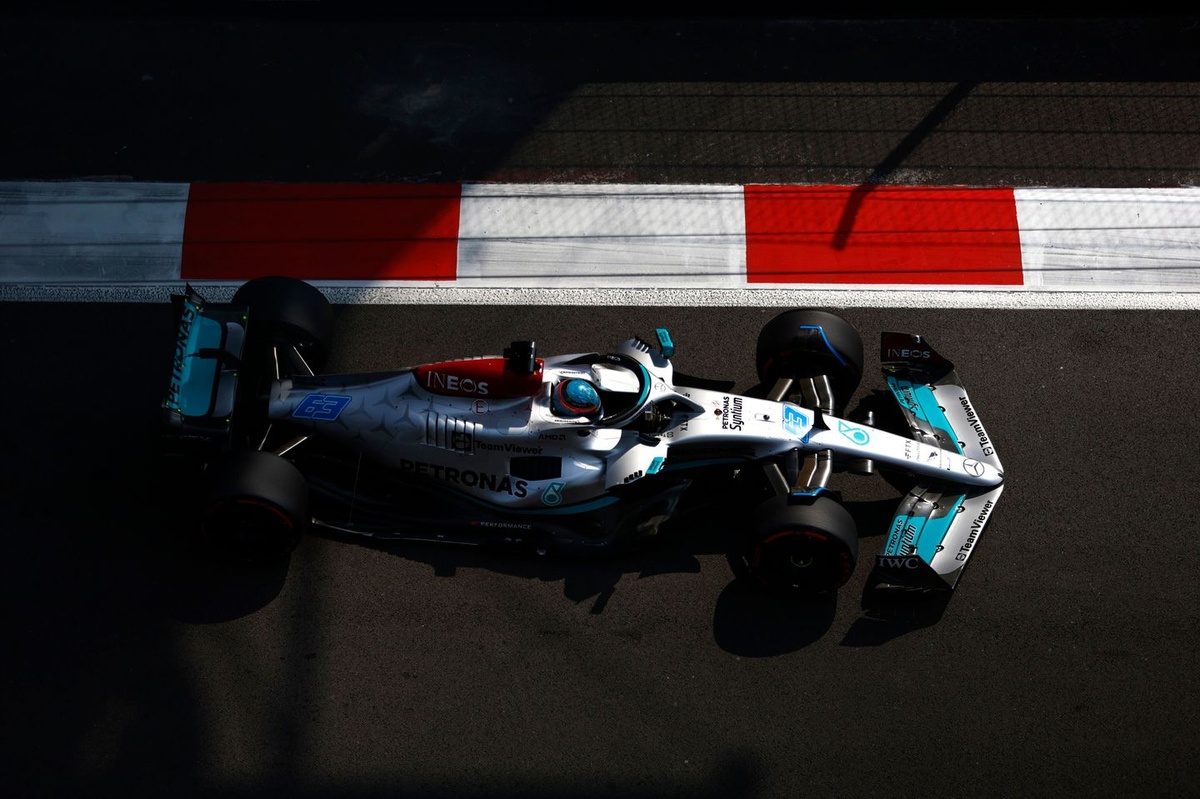
Over the past decade, Mercedes has established itself as a formidable force in Formula 1. Their dominance was so pronounced that it raised concerns among commercial rights holders about the sport’s appeal to fans. However, as the regulations shifted towards a configuration emphasizing underbody aerodynamics to generate downforce, Mercedes faced unprecedented challenges. Their initial entry into this new set of rules with the W13 model, while ambitious, proved to be fundamentally flawed. This misstep resulted in the team lagging behind their competitors.
In light of the lessons learned, considerable effort has been directed towards ensuring that the 2026 car is competitive from the outset. According to Andrew Shovlin, the trackside engineering director, this focus has necessitated some sacrifices in terms of development for the current season.
Focusing on the Present: The Constructors’ Championship
Shovlin emphasized that the team’s immediate goal is to compete fiercely for second place in the constructors’ championship. This commitment remains steadfast throughout the season. The engineering team has maintained discipline, refraining from diverting resources back into this year’s car in an attempt to implement late upgrades. The rationale is clear: when transitioning to an entirely new set of regulations, starting with a strong foundation is crucial.
Reflecting on past successes where they began with an advantage, Shovlin noted that the 2022 regulations saw them starting from behind, which has created ongoing challenges. The team is intent on avoiding the temptation to revert to the previous car’s design for additional wind tunnel testing, as doing so could derail their focus on future developments.
The Competitive Landscape of Formula 1
As they navigate this competitive landscape, Shovlin recognized that rival teams, like Red Bull, have also made significant investments in next season’s development. Red Bull’s recent updates, particularly concerning their floor design, illustrate the ongoing evolution of teams as they adapt to the shifting regulations.
Mercedes’ initial foray into the new ground-effect era with the W13 was fundamentally an aerodynamic gamble. This model featured a power unit and cooling architecture designed to operate with minimal sidepod profiles while maximizing floor area. However, Red Bull’s consistent performance highlighted the importance of chassis dynamics in optimizing underbody aerodynamics.
A critical aspect of this design is that the car’s floor must maintain proximity to the ground. This positioning is essential to prevent airflow from entering the sides and disrupting the underbody flow field. A significant challenge for many teams, particularly in the early stages for Mercedes, has been achieving a delicate balance with the suspension. The goal is to ensure that the suspension remains compliant enough to reduce stress on the tires while also being rigid enough to prevent body movements that could impair the floor’s performance.
The Trials of the W13
The lackluster performance of the W13 stemmed from a combination of factors. The design of the floor was only effective at very low ride heights, while the suspension setup was excessively stiff. Consequently, Mercedes experienced severe issues with porpoising and bouncing—two difficulties that the team initially perceived as synonymous but eventually recognized as separate, albeit interrelated, challenges.
As engineers grapple with these complexities, misunderstandings can compound over time. The necessity to pivot and adapt can lead to new obstacles, making the path to improvement a challenging one.
Lessons Learned and Future Directions
Looking back, Shovlin acknowledged that, with the knowledge gained over time, it would have been relatively straightforward for the team to return to a winning position. The insights gained about mitigating bouncing and identifying key performance areas reflect the learning curve that all teams undergo when facing new regulations. While Red Bull began the new era competitively, they too had to navigate their learning process.
Shovlin pointed out that teams in a leading position have the advantage of making calculated decisions regarding where to allocate development resources. In contrast, Mercedes found themselves in a position of catching up. There were instances when the team opted to alter the car’s concept or sidepod design, which ultimately reset their development trajectory. This reset can be costly, as it requires teams to hope for a more favorable development curve to regain lost ground.
The Future of Mercedes in Formula 1
As Mercedes looks ahead, the focus remains on developing a competitive car that aligns with the new regulations set for 2026. The team’s strategic decisions, bolstered by lessons from past experiences, will be crucial in defining their trajectory in the coming seasons. The commitment to building a robust foundation for future success is evident and highlights the resilience and adaptability that characterize top teams in the sport.
The upcoming season promises to be a pivotal one for Mercedes, as they aim to balance immediate performance with long-term development goals. The interplay of engineering prowess, strategic foresight, and adaptability will be the driving forces behind their efforts to reclaim their place at the forefront of Formula 1.
Conclusion
In the fast-paced environment of Formula 1, teams must constantly adapt to changing regulations and competitive pressures. Mercedes, with its rich history of success, is navigating a transformative period. The challenges faced with the W13 have provided valuable insights that will inform their approach as they prepare for the future. By focusing on a strong foundation for the 2026 car and balancing resources wisely, Mercedes is positioning itself to once again compete at the highest levels of the sport.
