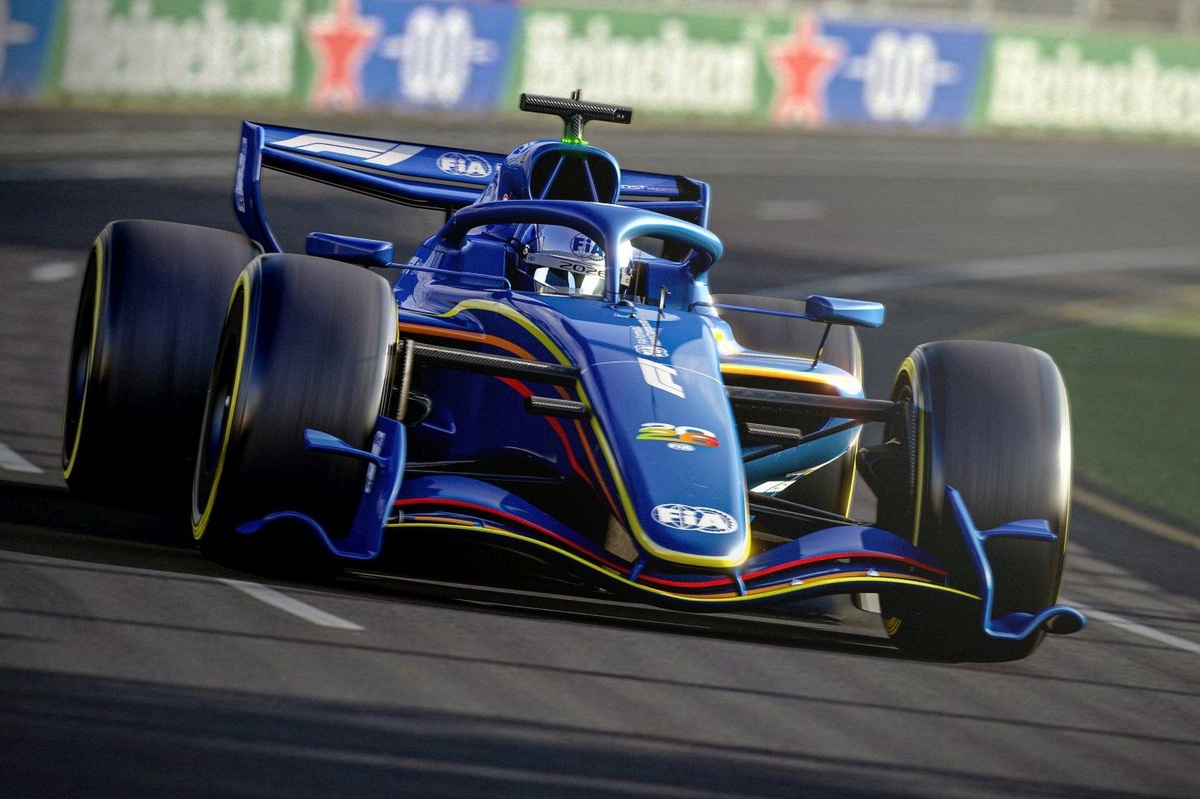
The Exciting Road Ahead: Formula 1’s 2026 Season and the Las Vegas Grand Prix
The Las Vegas Grand Prix is just around the corner, marking the beginning of an exhilarating three-race series leading to the conclusion of the 2025 season on December 7 in Abu Dhabi. This event is not just a spectacle for fans, but a pivotal moment for Formula 1 teams as they vie for critical points in both the drivers’ championship and constructors’ standings, which translate into substantial financial rewards for the teams involved.
The Current Season’s Stakes
As the 2025 season enters its final stretch, nearly every Formula 1 team still has significant objectives to achieve. The competition remains fierce, with drivers and teams pushing the limits to secure the best possible standings. Winning races not only garners prestige but also plays a crucial role in the distribution of prize money, making every point earned invaluable as teams look to maximize their returns.
In addition to the immediate competition, teams are also laying the groundwork for the future. The 2026 season promises to introduce a new era in Formula 1, characterized by a comprehensive redesign of both the chassis and power units. This significant overhaul is set to transform the racing landscape, and teams are already hard at work preparing their new cars.
Preparing for a New Era in Formula 1
With the launch of the 2026 cars on the horizon, the timeline for development has accelerated. Pre-season testing is scheduled to begin on January 26 in Barcelona, a full month earlier than it did in the previous year. This compressed timeline has added a layer of urgency for teams as they finalize the designs and construction of their new vehicles.
Alpine’s managing director, Steve Nielsen, recently shared insights regarding the team’s preparations for the upcoming season. He noted that the chassis development is ahead of schedule, with the team already working on the physical structure of the car much earlier than usual. In past seasons, chassis designs typically materialized around late December or early January, but this year, the timeline has been significantly advanced.
The early arrival of the chassis means that team members will have little time to relax during the holiday season. After the Abu Dhabi Grand Prix, staff will return home briefly to spend time with their families before diving back into the factory work to prepare for testing. The pressure is palpable, not just for Alpine, but across the entire Formula 1 landscape, as teams face a shorter winter than they have in many years.
Alpine’s Strategy for 2026
Nielsen elaborated on Alpine’s strategy for developing their 2026 car, indicating that the vehicle is expected to be structurally complete by mid-December. Although it won’t be fully finished—lacking paint and certain components—having the chassis ready is essential for the upcoming track tests. The team is also preparing for crucial FIA crash tests, which are necessary for homologating the new chassis. These tests typically occur in December and January, adding another layer of complexity to the development schedule.
As the factory gears up for this significant milestone, every machine is busy producing parts for the 2026 cars. The urgency is underscored by the testing schedule, which includes a private session in Barcelona from January 26 to 30, followed by additional testing in Bahrain on February 11-13 and February 18-20.
The Significance of Testing Sessions
Testing is a critical phase for teams as they prepare for the upcoming season. It allows teams to assess the performance of their new cars, gather data, and make necessary adjustments before the competitive season begins. The private session in Barcelona will serve as an initial opportunity for teams to evaluate their vehicles in a controlled environment, while the subsequent sessions in Bahrain will provide further insights into performance on a different track.
Leading up to these testing sessions, Red Bull has announced plans to unveil their 2026 car designs at a special event in Detroit, Michigan, in January 2026. This unveiling is highly anticipated within the F1 community, as fans and competitors alike are eager to see the innovations that Red Bull will bring to the track.
The Impact of the New Regulations
The changes in regulations for 2026 are expected to have far-reaching implications for the competitive landscape of Formula 1. The overhaul of power units and chassis design is aimed at enhancing performance, improving safety, and promoting sustainability within the sport. As teams adapt to these new regulations, the balance of power may shift, leading to new rivalries and dynamics on the track.
The introduction of hybrid technology and a focus on sustainable practices reflect the broader trends in the automotive industry, where manufacturers are increasingly prioritizing environmentally friendly solutions. This shift not only caters to the growing demand for sustainability but also aligns with Formula 1’s commitment to reducing its carbon footprint.
The Las Vegas Grand Prix: A Unique Venue
The Las Vegas Grand Prix itself is set to be a spectacular event, showcasing the glitz and glamour that the city is known for. The track layout promises to offer thrilling racing action, with high-speed straights and challenging corners that will test the skills of the drivers. As the teams gear up for this race, fans can expect an electrifying atmosphere filled with excitement and anticipation.
Las Vegas, known for its vibrant nightlife and entertainment options, brings a unique flavor to the Formula 1 calendar. The city’s ability to attract large crowds and create a festive atmosphere makes it an ideal location for hosting a Grand Prix. As drivers navigate the challenges of the track, the backdrop of the Las Vegas Strip adds an extra layer of allure to the event.
The Road Ahead: Challenges and Opportunities
As the Las Vegas Grand Prix approaches, teams are acutely aware of the challenges that lie ahead. The intensity of competition will only increase as they strive for valuable points that could make a difference in their standings. Every race is an opportunity to showcase not just driving talent, but also engineering prowess and strategic acumen.
The transition to the new regulations presents both challenges and opportunities. While teams must adapt to the changes and ensure their new cars meet performance benchmarks, they also have the chance to innovate and push the boundaries of what is possible in Formula 1 racing. The quest for excellence is relentless, and teams that can effectively navigate this transition will be well-positioned for success in the years to come.
In summary, the Las Vegas Grand Prix marks the beginning of an exciting chapter for Formula 1 as teams prepare for the challenges of the 2026 season. With a focus on innovation, performance, and sustainability, the future of the sport looks promising. As the drivers take to the track in Las Vegas, fans can expect a thrilling spectacle that showcases the best of what Formula 1 has to offer. The unfolding drama of the championship battle combined with the anticipation of new technologies sets the stage for a thrilling season ahead.
