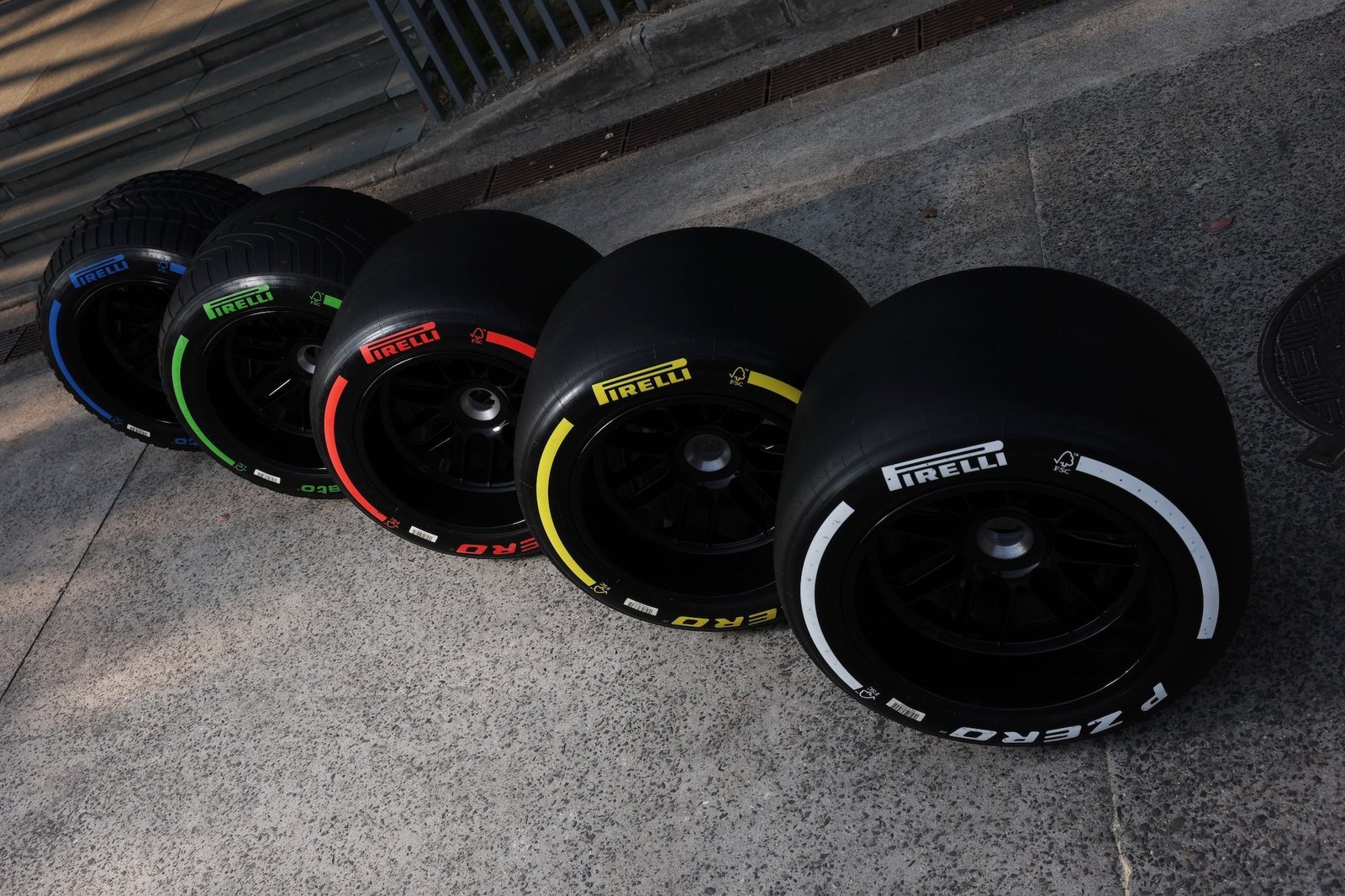
Pirelli and FIA Issue Critical Warning for Qatar Grand Prix: Tire Regulations Tightened
As the Formula 1 Qatar Grand Prix approaches this weekend, the FIA and Pirelli have issued an important warning regarding tire usage on the Lusail circuit. They have made it clear that any driver who exceeds 25 laps on a single set of tires may face severe penalties, including possible disqualification from the race. This decision comes in light of recent analyses that have highlighted extreme tire wear on the Lusail track.
Understanding the Tire Wear Concerns
Last year’s race highlighted significant issues with tire durability, as lengthy stints on the same set of tires revealed that the tire compounds were pushed to their limits. Mario Isola, Pirelli’s motorsport director, provided insight into the alarming situation. He noted, “Some drivers came very close to the edge, with no rubber left. The tire structure was exposed. While the structure can withstand a lot, once it starts running directly on the asphalt, the wear accelerates rapidly. This is not a scenario that the tires are designed to handle.”
The implications of such wear are critical not just for race performance but also for safety. Tires that reach such a state of degradation can pose serious risks to drivers, making the FIA’s new regulation essential for maintaining competitive integrity and safety standards.
Logistical Challenges in Circuit Modifications
In light of these concerns, discussions were held regarding potential modifications to the circuit layout. However, Isola explained that the idea was ultimately dismissed due to logistical challenges. “I think it is quite complicated. The circuit hosts several categories, including motorcycles, each requiring specific curves and safety measures,” he stated. This complexity means that altering the track isn’t a viable option, leading to the decision to implement stricter tire regulations instead.
A Unified Approach to Tire Management
With the circuit remaining unchanged from the previous year, Pirelli has proposed a clear limit on tire mileage. Notably, all teams have agreed to this regulation. The new rule stipulates that if a driver exceeds 25 laps on a single set of tires, the infraction will be reported to the race stewards. Isola confirmed, “I believe so, because this limitation is included in our pre-event briefing.”
This proactive measure is designed to ensure that all teams adhere to the new guidelines, emphasizing the importance of strategic tire management throughout the race. While the regulation does not pertain to a technical infringement, it will be categorized under Article 30.5(a) of the Sporting Regulations, which mandates the use of tires according to the specifications outlined by the FIA and Pirelli.
The Role of Race Stewards
Given that this type of regulation is unprecedented, it will ultimately be up to the race stewards to determine the penalties if a team disregards the new rule. The introduction of this regulation is a significant step in managing tire performance and ensuring the safety of drivers on the track.
The stringent measures reflect a growing trend in motorsport to prioritize safety alongside competitive fairness. The FIA and Pirelli are taking proactive steps to mitigate risks associated with tire wear, especially on tracks known for their challenging conditions.
The Importance of Tire Strategy in Formula 1
In Formula 1, tire strategy plays a crucial role in determining race outcomes. Teams must carefully consider their pit stop strategies and tire choices, balancing speed with durability. With the new regulations in place, teams will need to adapt their strategies accordingly.
Drivers and teams will be closely monitoring tire performance during practice sessions to gauge wear rates and plan their race strategies effectively. The ability to maximize performance while adhering to the new regulations will be vital for success in Qatar.
Historical Context of Tire Management in F1
Historically, tire management has been a critical aspect of Formula 1 racing. Teams have had to navigate various tire compounds, each with unique characteristics and performance profiles. The introduction of regulations aimed at controlling tire wear is not a new concept; however, the strict enforcement of penalties for exceeding tire limits marks a significant evolution in how tire strategy is managed within the sport.
In recent years, the emphasis on tire preservation has intensified as teams have sought to gain competitive advantages through innovative strategies. The challenge of managing tire life while optimizing speed has led to some of the most thrilling moments in Formula 1 history.
Preparing for the Qatar Grand Prix
As teams prepare for the Qatar Grand Prix, they will need to focus on understanding the implications of the new tire regulations. The knowledge gained from previous races, combined with a keen awareness of the Lusail circuit’s characteristics, will be essential in formulating effective race strategies.
Teams will likely conduct extensive data analysis and simulations to predict tire performance under various conditions. This preparation will not only influence race strategy but also contribute to driver confidence as they navigate the demanding circuit.
The Future of Tire Regulations in Formula 1
The recent developments in tire regulations highlight the ongoing evolution of Formula 1. As the sport adapts to changing dynamics and safety considerations, the role of tire management will remain a focal point for teams and drivers alike. The FIA and Pirelli’s commitment to ensuring safety while maintaining competitive integrity is commendable and reflects a broader commitment to the sport’s evolution.
Moving forward, it will be interesting to see how these regulations impact race strategies and outcomes in the coming seasons. With the increasing emphasis on safety, teams may need to innovate more than ever to stay ahead in the fast-paced world of Formula 1 racing.
Conclusion
In summary, the FIA and Pirelli’s decision to enforce a limit on tire usage during the Qatar Grand Prix is a crucial step towards ensuring both driver safety and competitive fairness. As teams navigate the challenges posed by tire wear on the Lusail circuit, they must adapt their strategies to comply with the new regulations. The consequences of failing to do so are significant, and the enforcement of penalties underlines the importance of adhering to the rules set forth by the governing bodies.
The upcoming race promises to be a thrilling spectacle, with teams and drivers poised to tackle the challenges of tire management in pursuit of victory. As Formula 1 continues to evolve, the integration of strict tire regulations is a testament to the sport’s commitment to safety and competitive integrity.
