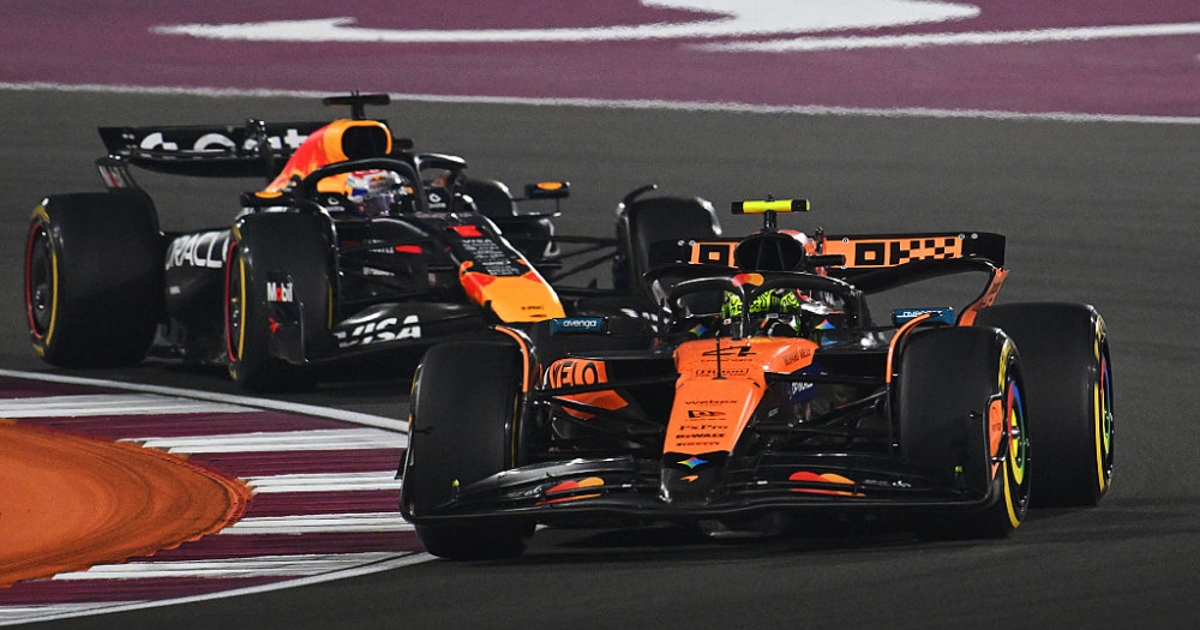
Lando Norris Reflects on the Qatar Grand Prix Performance
In the world of Formula 1, every race presents a unique set of challenges that can significantly impact a driver’s standing in the championship. Recently, Lando Norris, a prominent driver for McLaren, shared his thoughts on his performance during the Qatar Grand Prix weekend, where he finished in fourth place. This result marked the end of a series of impressive top-three finishes, creating an anxious moment in the championship race.
The Impact of Strategy on Race Outcomes
During the race, an early safety car period created a pivotal moment for Norris and his team. McLaren decided to keep both of its drivers on the track while most of the other teams opted to pit. This decision quickly became a point of contention, especially as it allowed Max Verstappen, the championship leader, to capitalize on the situation and ultimately secure a victory. As a result, Norris’s lead in the championship standings was reduced to just 12 points.
Norris’s teammate, Carlos Sainz, also faced challenges during the race, and Verstappen’s inability to pass him added to the complexities of the competition. Despite the setbacks, Norris approached the situation with a philosophical mindset. He acknowledged that his recent track record had been strong, with a series of seven races where he consistently finished ahead of his fellow driver, Oscar Piastri.
Reflections on the Race Performance
After the race, Norris conveyed his feelings about the performance, stating, "The car was good; Oscar finished second and was very quick. There’s nothing to complain about, just strategy as the second car is always a bit worse and had me over." This statement reflects the competitive nature of Formula 1, where even small tactical decisions can have far-reaching consequences on the race outcome.
Norris emphasized the importance of maintaining a positive outlook despite the disappointment of the race weekend. He expressed contentment with the progress he had made leading up to this race, stating, "I put myself in this position. I’m still happy." His ability to remain upbeat despite a less-than-ideal result highlights his resilience as a driver.
The Challenge of Team Dynamics
One of the crucial aspects of team racing in Formula 1 is the communication and decision-making that occurs between drivers and their teams. Norris recognized that the strategy implemented during the safety car phase was a collective decision, and he acknowledged that he could not simply override the team’s call. "I have to have faith the team is making the right call, and that’s what I had to do," he explained. This trust in his team is essential, as it plays a significant role in navigating the complexities of a race.
He further elaborated on the decision-making process during the safety car phase, indicating that following Verstappen into the pits may have been the better option. However, he also understood that even if he had pitted, a double-stack strategy could have resulted in lost time. "A bit of time, maybe, I wouldn’t have lost a position I don’t think," he reflected. This insight into the intricacies of race strategy illustrates the multifaceted nature of racing in Formula 1.
Learning from Setbacks
Norris acknowledged that while the Qatar race was not their best performance, it is crucial to learn from such experiences. "It wasn’t our finest day, it wasn’t my finest weekend in terms of driving and putting things together. But that’s life. Everyone has bad weekends," he stated. This perspective demonstrates his understanding that setbacks are a natural part of any sport, particularly one as demanding as Formula 1.
He expressed a commitment to reviewing the race with his team to understand what could be improved moving forward. This approach highlights the importance of continuous development in both personal performance and team strategy. "Something we’ll go and talk about and review," he noted, signaling his desire to enhance future performances.
The Road Ahead
Looking ahead to the next race, Norris remains focused on his goal of maintaining his position in the championship standings. His recent performance streak has placed him in a competitive position, and he is determined to capitalize on that momentum. "We’ll take it on the chin, and we’ll see what we can do next weekend," he affirmed.
Norris’s attitude reflects a broader mentality required for success in Formula 1: the ability to bounce back from disappointment and focus on upcoming challenges. With several races still to come in the season, every point counts, and each race presents an opportunity for redemption.
Conclusion
Lando Norris’s experience during the Qatar Grand Prix serves as a reminder of the unpredictable nature of Formula 1 racing. Strategy plays a crucial role in determining race outcomes, and even the most skilled drivers can face challenges that impact their performance. Norris’s reflections on the weekend reveal a depth of understanding about the sport, encompassing the importance of teamwork, strategy, and resilience.
As he prepares for future races, Norris’s ability to learn from setbacks and maintain a positive outlook will be vital in navigating the remaining challenges of the season. The competitive spirit of Formula 1 ensures that every race is an opportunity for growth, and Norris is committed to seizing those opportunities as they arise.
