The Challenges Ahead for Cadillac in Formula 1
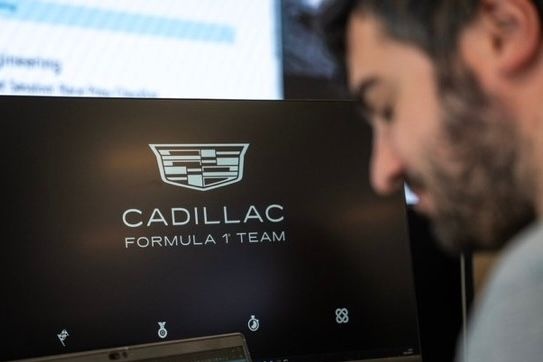
As the excitement builds for Cadillac’s entry into Formula 1 in 2026, there is a palpable sense of curiosity and skepticism regarding the American team’s prospects. With a roster featuring seasoned drivers like Sergio Perez and Valtteri Bottas, the Cadillac Formula 1 team aims to secure its position as the 11th team on the grid. However, industry experts, including Sky Sports strategy analyst Bernie Collins, emphasize the significant challenges that lie ahead for this new entrant.
Understanding the Competitive Landscape
The landscape of Formula 1 is highly competitive, and the introduction of a new team is never a straightforward endeavor. Collins draws parallels between Cadillac’s upcoming debut and the experience of Haas when they entered the championship during the 2016 Australian Grand Prix. The complexities of forming a new team, from assembling the right personnel to developing a competitive car, are daunting tasks that require meticulous planning and execution.
The Pain of Preparation
Reflecting on her experiences with the McLaren team during Haas’s inaugural race, Collins recounts the strenuous effort that went into preparing the car and the team for that first event. "I remember walking into the track on that Friday morning while the Haas team was just finishing their preparations," she recalls. The Haas crew faced immense pressure to get their car ready, highlighting the intense demands placed on new teams. For Cadillac, replicating or even surpassing that level of preparation will be essential for establishing a foothold in the sport.
The Road to the Grid
Achieving the goal of having a car ready for the Australian Grand Prix in 2026 will be a significant milestone for Cadillac. Collins points out that simply getting the car on the grid should be viewed as an accomplishment in itself. The complexity of Formula 1 regulations and the intricacies involved in car design and manufacturing mean that every step taken by the Cadillac team will be scrutinized.
Technical Challenges
One of the primary hurdles Cadillac will face is navigating the technical regulations of Formula 1. These regulations are designed to ensure fair competition while promoting innovation and safety. Understanding and complying with these rules will require not only technical expertise but also strategic foresight. The team must be agile and responsive to changes in regulations, which can have a profound impact on car performance.
Building a Strong Team
Equally important is the need to assemble a talented and cohesive team. From engineers and designers to pit crew members, every individual plays a crucial role in the success of the team. Cadillac will need to attract top-tier talent who possess the skills and experience necessary to compete at the highest level. This can be a significant challenge in a sport where established teams already have a wealth of experience and expertise.
The Engine Factor
In the world of Formula 1, the engine is a critical component that can make or break a team’s performance. Collins notes that the teams using Mercedes engines are likely to maintain a competitive edge, given their history of reliability and performance. The perception is that teams with access to Mercedes power units may find themselves at the front of the grid, while those reliant on less proven engines may struggle.
Learning Curve
Cadillac’s partnership with General Motors could provide a unique advantage. Collins highlights that teams supplied by Mercedes have the opportunity to learn from three different teams, accelerating their development process. In contrast, Honda, which supplies only one team, may face a longer learning curve. This dynamic could influence the competitive landscape as teams strive to optimize their performance.
Navigating Expectations
As Cadillac gears up for its entry into Formula 1, it will need to navigate a complex web of expectations. Fans, sponsors, and the media will all have their own perspectives on what constitutes success. For Cadillac, the challenge will be to manage these expectations while remaining focused on their long-term goals.
The Importance of Brand Image
Cadillac’s involvement in Formula 1 is not just about racing; it is also a strategic marketing move aimed at enhancing brand visibility and prestige. The team must strike a balance between performing on the track and building a strong brand image off it. Success on the racetrack can translate to increased interest in Cadillac’s vehicles, making it imperative for the team to be competitive.
The Role of Sponsorship
Sponsorship plays a vital role in the financial viability of a Formula 1 team. As Cadillac embarks on this journey, securing sponsorship deals will be crucial for funding their operations. The team’s ability to attract sponsors will depend on their performance, brand image, and marketability. A successful season could lead to lucrative partnerships, while struggles on the track may hinder their efforts to engage potential sponsors.
Engaging Fans
Engaging with fans will also be a crucial aspect of Cadillac’s strategy. Building a fanbase and cultivating a loyal following can provide valuable support both on and off the track. The team will need to leverage social media and other platforms to connect with fans, share their journey, and foster a sense of community around the brand.
Looking Toward the Future
While Cadillac’s entry into Formula 1 comes with its share of challenges, it also presents an opportunity for growth and innovation. The team has the chance to contribute to the evolution of the sport while carving out its own identity within it. Collaborating with experienced drivers like Perez and Bottas will provide valuable insights and guidance as the team navigates its inaugural season.
Adapting to Changes
As the 2026 season approaches, the landscape of Formula 1 is expected to undergo significant changes. New regulations aimed at promoting sustainability and competition will reshape the dynamics of the sport. Cadillac must be prepared to adapt to these changes while remaining focused on their objectives. The ability to pivot and respond to evolving circumstances will be crucial for the team’s success.
Conclusion
In summary, the Cadillac Formula 1 team’s journey to the grid in 2026 will be marked by challenges and opportunities. With a strong focus on preparation, team building, and brand engagement, Cadillac aims to establish itself as a competitive force in the sport. While the road ahead may be fraught with obstacles, the potential rewards of success in Formula 1 are immense. As the countdown to their debut begins, all eyes will be on Cadillac to see how they navigate the complexities of this elite racing series.
