The Future of Formula 1: A New Era Begins in 2026
As we look ahead to the 2026 Formula 1 season, the sport is gearing up for a monumental shift in its technical framework. This change, which has not been seen in decades, will affect both the vehicles and their engines, leading to a diverse array of solutions among the competing teams. While some teams may hit the ground running with superior designs, others could find themselves struggling to catch up, especially given the constraints imposed by a tight schedule featuring international races.
Understanding the Cost Cap Revisions
In 2026, the cost-cap regulations in Formula 1 will undergo significant revisions, requiring teams to take a broader view when planning their upgrades. This means that teams will not only need to think about the technical aspects of their cars but also the financial implications of transporting new components to various race locations. The introduction of a cost cap was originally implemented in 2021, primarily as a response to the financial repercussions of the COVID-19 pandemic.
Initially, the cap was set at $145 million per year, with a planned reduction to $135 million by 2024. However, in light of inflation and fluctuating exchange rates, this figure has been revised upwards to $215 million. While this adjustment accounts for rising costs, it does not signify an overall increase; rather, it reflects a recalibration of the financial landscape in F1. Notably, Sauber has received special considerations to address the higher employment costs associated with operating in Switzerland.
Teams must now navigate a revised set of regulations that not only include the cost cap but also factor in media activities, transport expenses, and various operational costs. This means that teams will have to be strategic about which upgrades to prioritize, particularly when it comes to shipping costs, especially for larger components that require expedited delivery.
The Impact of Race Schedule on Development Strategy
The unique calendar for the opening races of the 2026 season, which features a series of flyaway events, complicates the situation further. The first few races will include challenging logistics, such as traveling to Australia and China, followed by Japan, before the series returns to Bahrain for the Middle Eastern leg. This geographical spread means that teams will need to be judicious about their upgrade strategies, as shipping costs can quickly eat into their development budgets.
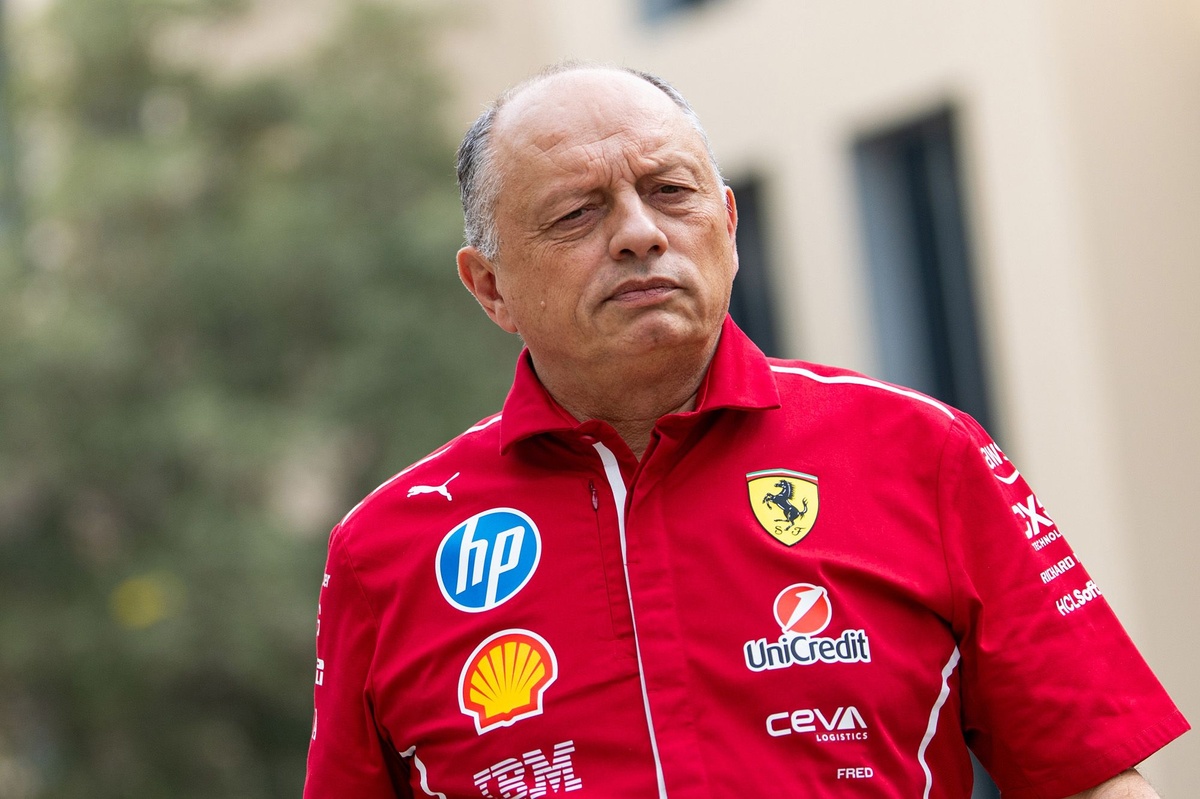
Frederic Vasseur, team principal of Ferrari, emphasized the importance of careful planning in this context. According to him, the driving factor behind implementing upgrades will not solely revolve around the capacity to develop new components in the wind tunnel. Instead, the financial constraints imposed by the cost cap will necessitate a more thoughtful approach. Teams must consider the potential costs of transporting upgrades to distant races, as sending larger components like a new floor to Japan could significantly diminish their available budget for development.
To illustrate this point, Vasseur noted that introducing minor upgrades, such as changes to the front wing flaps, would incur lower shipping costs compared to larger components. This means that teams may need to delay the introduction of certain upgrades until they are back at a more accessible location, such as Bahrain, where logistics are easier to manage.
The Competitive Landscape: A New Order
The 2026 season is poised to bring about a more dynamic competitive landscape. In contrast to the relatively stable hierarchy observed in 2025, where the competitive order remained consistent from the Bahrain test to the final race in Abu Dhabi, the upcoming season is expected to feature a greater rate of development across all teams. Vasseur pointed out that, much like in the 2022 season, the early frontrunners in 2026 may not maintain their advantage throughout the year.
This shift means that teams will need to be agile and responsive to the developments of their competitors. The technical regulations are designed to encourage innovation and adaptability, and teams that can effectively manage their resources and development strategies will have a significant advantage. As the season progresses, we can expect to see a more varied performance among teams, with the potential for significant changes in the pecking order as they race towards the championship.
Strategic Planning in a New Era
Navigating the complexities of the new regulations and cost cap will require teams to adopt strategic planning methods that take into account both technical and financial considerations. With the early races being international events, teams must be prepared to handle the logistics of transporting components and personnel effectively. This may involve sending smaller, more manageable items with team members’ luggage, rather than larger components that would require special shipping arrangements.
Vasseur underscores the necessity of being clever in how teams allocate their budgets for development. With costs associated with transportation now included in the cap, teams will need to prioritize which upgrades to implement and when. The ability to analyze data from wind tunnel tests while considering the costs of development will be crucial. Teams must find the right balance between introducing upgrades early in the season and managing their overall budget to ensure they can remain competitive throughout the year.
The Road Ahead for Teams
As the 2026 Formula 1 season approaches, teams are already gearing up for the challenges ahead. The combination of new technical regulations and financial constraints will shape the way teams operate in the coming years. The need for innovation in design and efficiency in operations will be more critical than ever. Teams that can effectively leverage their resources and adapt to the changing landscape will be well-positioned to succeed.
In this new era, the importance of collaboration within teams will also grow. Engineers, strategists, and drivers will need to work closely together to ensure that the technical solutions being developed align with the broader goals of the team. Understanding the interplay between car performance, budget constraints, and logistical challenges will be essential for achieving success on the track.
Conclusion: Embracing Change in Formula 1
The 2026 Formula 1 season promises to be a transformative year for the sport. The combination of new technical regulations, revised cost caps, and an international race schedule will challenge teams to rethink their strategies and operations. As the landscape of Formula 1 evolves, those who embrace these changes will not only survive but thrive in this new era of racing. The excitement surrounding the upcoming season is palpable, and fans can look forward to witnessing the unfolding of a dynamic and competitive championship.
