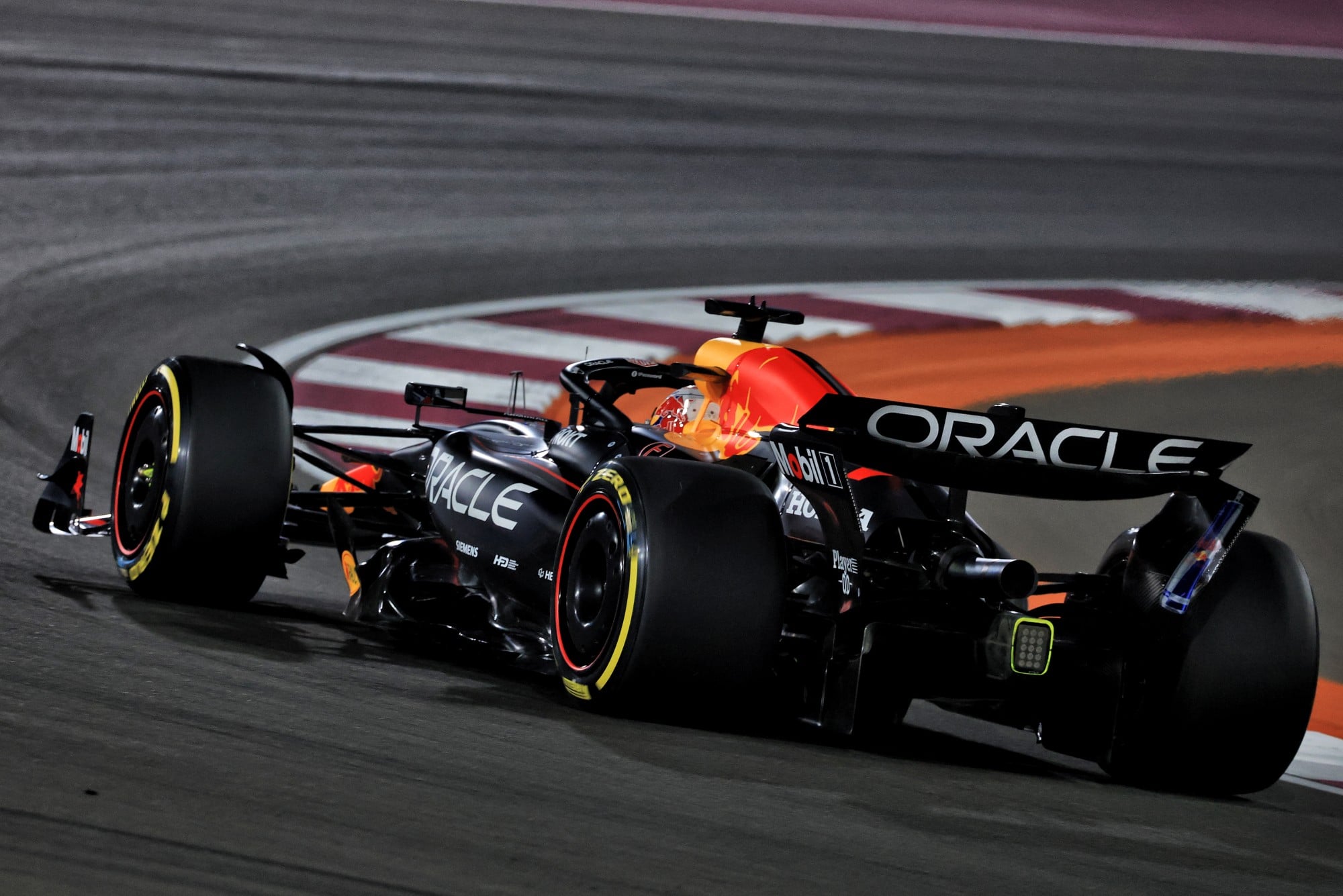
Analyzing Red Bull Racing’s Single-Car Challenge in Formula 1
In the high-octane world of Formula 1, team dynamics and driver capabilities are pivotal to achieving championship success. Recently, former Formula E driver Sam Bird, who has also tested for Mercedes in F1, shared insights on Red Bull Racing’s current standing. His analysis revealed a significant vulnerability for the team: they are operating as a single-car team. This limitation poses a challenge for their competitiveness in the Constructors’ Championship, despite improvements observed under the leadership of Laurent Mekies.
Leadership Changes and Performance Improvements
Laurent Mekies took the reins of Red Bull Racing after Christian Horner’s departure, stepping into the role of team principal following the British Grand Prix. Under Mekies’ leadership, the team has experienced a resurgence, marked by decisive strategies and a crucial upgrade to the floor of the RB21. This upgrade played a vital role in enhancing Max Verstappen’s performance, allowing him to significantly close the points gap to Oscar Piastri, ultimately finishing just two points behind the champion, Lando Norris.
The transformation that Red Bull Racing has undergone in the drivers’ championship is commendable, reflecting a strong comeback. However, Bird emphasizes that the core issue of being a single-car team remains a substantial hurdle. In a competitive sport like Formula 1, having two strong drivers can be the difference between winning and losing crucial points in the Constructors’ standings.
The Single-Car Team Dilemma
Bird articulated his concerns regarding Red Bull Racing’s structure on the BBC’s F1 Chequered Flag podcast. He pointed out that the team’s reliance on Verstappen as their sole frontrunner significantly limits their potential for success in the Constructors’ Championship. He remarked, "One thing about Red Bull is that they are still a one-car team." This statement highlights the strategic disadvantages they face when competing against teams that boast two capable drivers.
The absence of a second driver who can consistently challenge Verstappen means that the team is overly reliant on his performance. Bird underscored that unless Verstappen wins every race, Red Bull Racing’s chances of contending for the Constructors’ title are bleak. This reliance on a single driver not only affects their scoring potential but may also influence team morale and overall strategy during races.
Future Prospects with Isack Hadjar
Looking ahead, Red Bull Racing is set to bring Isack Hadjar on board to fill the second seat in 2026. This move is seen as an attempt to address the current limitation of having only one competitive driver. However, Bird remains skeptical regarding Hadjar’s ability to meet the high expectations that come with being a part of such a prestigious team. "Let’s see what Hadjar can do next year, but for now, they are a one-car team," Bird concluded.
Hadjar’s entry could provide the team with a much-needed boost, but it remains to be seen whether he can rise to the occasion and deliver the kind of performance that will challenge Verstappen effectively. The transition from being a promising driver to a competitive force in F1 involves a steep learning curve, and the pressures of the sport can be overwhelming for newcomers.
The Importance of a Balanced Team
In Formula 1, a balanced team dynamic is crucial. Having two drivers who can compete at the top level allows for greater strategic flexibility during races. Teams like Mercedes and Ferrari have historically benefited from having two strong contenders, enabling them to score points through various strategies, including team orders, pit stop timing, and race tactics. This dual-driver strategy can significantly influence Constructors’ Championship outcomes.
Red Bull Racing’s current model, centered around Verstappen’s performance, may work in the short term, but long-term success in F1 typically requires a more robust and diversified driver lineup. In a sport where every point counts, especially in the Constructors’ Championship, the ability of a second driver to secure points and provide support can be invaluable.
Challenges Ahead for Red Bull Racing
Red Bull Racing faces several challenges as they navigate the complexities of Formula 1. The first major hurdle is the need for a competitive second driver who can not only support Verstappen but also challenge him. This dual capability can help the team capture more points and provide strategic advantages throughout the season.
Additionally, the team must continue to innovate and improve their car to keep pace with rivals. The ever-evolving technology and regulations in Formula 1 mean that constant development is essential for maintaining a competitive edge. The pressure to enhance performance while managing the dynamics of a two-driver team will be critical as they aim for championship glory.
The Role of Development and Strategy
In Formula 1, development plays a pivotal role in a team’s success. Continuous improvements to the car’s design, aerodynamics, and overall performance are necessary to compete effectively. Red Bull Racing has a strong reputation for innovation and engineering prowess, but their ability to adapt and improve as the season progresses will be crucial.
Mekies’ leadership will be instrumental in guiding the team through these challenges. His experience and strategic acumen will be vital in maximizing the performance of both drivers, ensuring that they can leverage their collective strengths to secure points in every race. The integration of Hadjar into the team will require careful planning and development to ensure he can contribute effectively from the outset.
Conclusion
As Red Bull Racing looks to the future, the integration of a second driver like Isack Hadjar could potentially shift the dynamics of the team. However, the immediate concern remains their single-car status and the implications it has for their competitiveness in the Constructors’ Championship. Bird’s insights reflect a broader concern within the F1 community regarding the sustainability of relying on a single star driver.
The landscape of Formula 1 is always changing, and teams must adapt to remain competitive. Red Bull Racing has the talent and resources to make significant strides, but whether they can transform their current limitations into strengths will determine their success in the coming seasons.
