Alpine Team’s United States Grand Prix Experience: A Deep Dive
The recent United States Grand Prix showcased not only the intense competition among drivers but also the intricate dynamics within the Alpine team. As the race unfolded, a notable incident arose involving drivers Franco Colapinto and Pierre Gasly, leading to a series of discussions about team strategy, communication, and the pressures of racing. In this article, we will explore the events that transpired during the race, the reactions from the team management, and the implications for future races, especially as the team looks ahead to the upcoming Mexican Grand Prix.
The Race Dynamics: A Challenging Environment
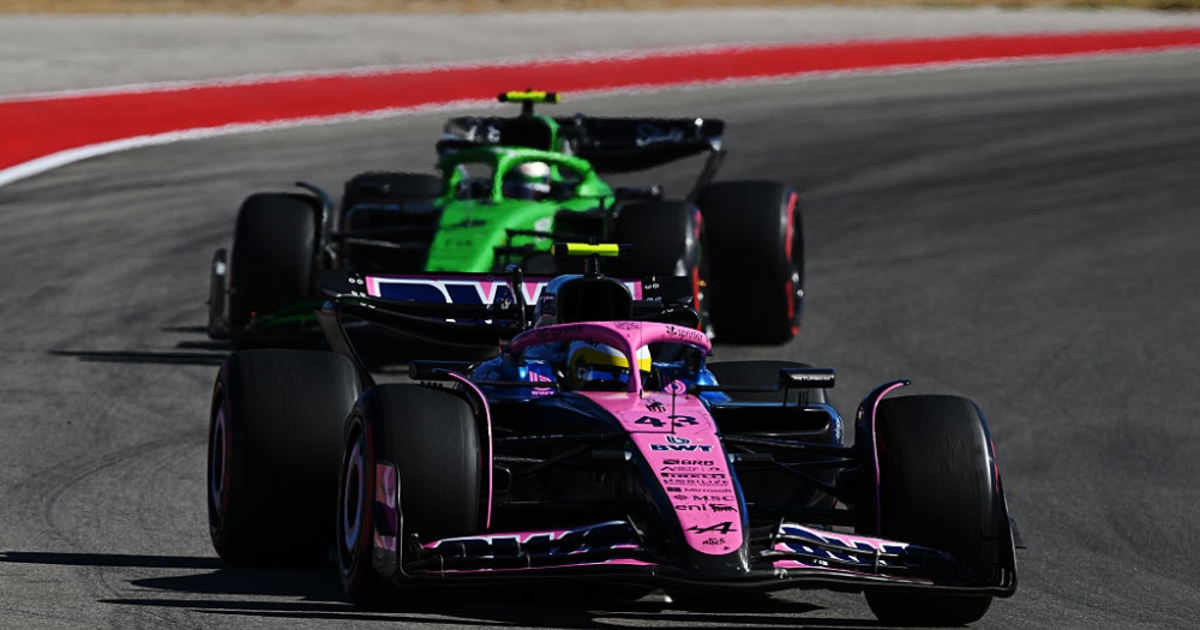
The United States Grand Prix was a challenging race for all teams involved, marked by fluctuating conditions and strategic decisions that had to be made rapidly. In the final laps, the pressure intensified for Alpine drivers Colapinto and Gasly as they found themselves battling for position against Gabriel Bortoleto, who was closing in fast. The competition was fierce, particularly as all three drivers were vying for the 17th position on the track, which, while not scoring points, was crucial for team morale and individual confidence.
As the race reached its climax, the Alpine team issued a directive to Colapinto, instructing him to maintain his position behind Gasly. This decision was made with the intention of managing fuel levels and ensuring that both cars could finish the race without incident, especially given the proximity of the leading drivers.
Diverging Opinions on Team Strategy
Colapinto’s reaction to the instruction was one of surprise and frustration. He felt compelled to challenge the directive, believing that overtaking Gasly was the best course of action under the circumstances. He argued that both drivers were at risk of being overtaken by Bortoleto, who had shown significantly more pace. Colapinto’s decision to overtake Gasly into Turn 1 was a pivotal moment that sparked a broader discussion about team orders and the autonomy of drivers during critical race moments.
In the aftermath of the race, team managing director Steven Nielsen expressed disappointment over the situation. He emphasized that team orders are designed to optimize performance and that deviations from these instructions can lead to unwanted consequences. Nielsen acknowledged that the team faced challenges throughout the race, including a slow pit stop that impacted their strategy. The undercut threat, which the team aimed to address by pitting early, ultimately did not go as planned, leading to a compounded sense of urgency as the race progressed.
The Aftermath: Reflections from Colapinto
In the days following the race, Colapinto reflected on his performance and the decisions made during the race. He acknowledged the difficulties faced by both drivers, noting that their overall pace had not met expectations. Despite the frustrations of the weekend, he remained optimistic about the team’s potential to improve. Colapinto cited the need for teamwork and collaboration as essential components for moving forward, particularly as the team prepared for the next race in Mexico.
He articulated his belief that his overtaking maneuver was justified given the circumstances. With Bortoleto applying significant pressure from behind, Colapinto felt that maintaining position behind Gasly would have hindered their ability to fend off the quicker driver. His assertion emphasized the need for adaptability in racing, where split-second decisions can significantly alter outcomes.
Team Communication and Future Implications
The incident raised important questions about team communication and the effectiveness of directives during high-stakes moments. Both Colapinto and Nielsen acknowledged the need for the team to analyze the decisions made during the race thoroughly. Understanding the dynamics of communication and ensuring that drivers feel empowered to make decisions on the track is an ongoing challenge for any racing team. The delicate balance between following team orders and exercising individual judgment is a recurring theme in motorsports.
As Alpine moves forward, the focus will be on refining their strategies and ensuring that all team members are aligned in their objectives. The lessons learned from the United States Grand Prix will serve as a foundation for enhancing performance in future races, particularly as the team aims to build momentum leading into the Mexican Grand Prix.
The Road Ahead: Preparing for Mexico
Looking ahead, the Alpine team is determined to leverage the insights gained from the United States Grand Prix to enhance their competitiveness in Mexico. The upcoming race presents a fresh opportunity for both Colapinto and Gasly to demonstrate their capabilities in a different environment. The team is committed to resolving the issues that arose during the last race, with an emphasis on improving communication and refining their overall strategy.
Colapinto’s motivation remains high as he prepares for the challenges that lie ahead. He recognizes the importance of teamwork and collaboration, especially during difficult weekends where performance may not align with expectations. The Alpine team is focused on fostering a culture of continuous improvement, ensuring that every driver and team member is equipped to contribute effectively.
Conclusion
The United States Grand Prix was a defining moment for the Alpine team, highlighting the complexities of racing and the importance of effective communication and strategy. As they look toward the future, the lessons learned from this experience will be instrumental in shaping their approach for the remainder of the season. With renewed determination and a commitment to teamwork, the Alpine team is poised to tackle the challenges of the Mexican Grand Prix and beyond, striving for greater success on the track.
