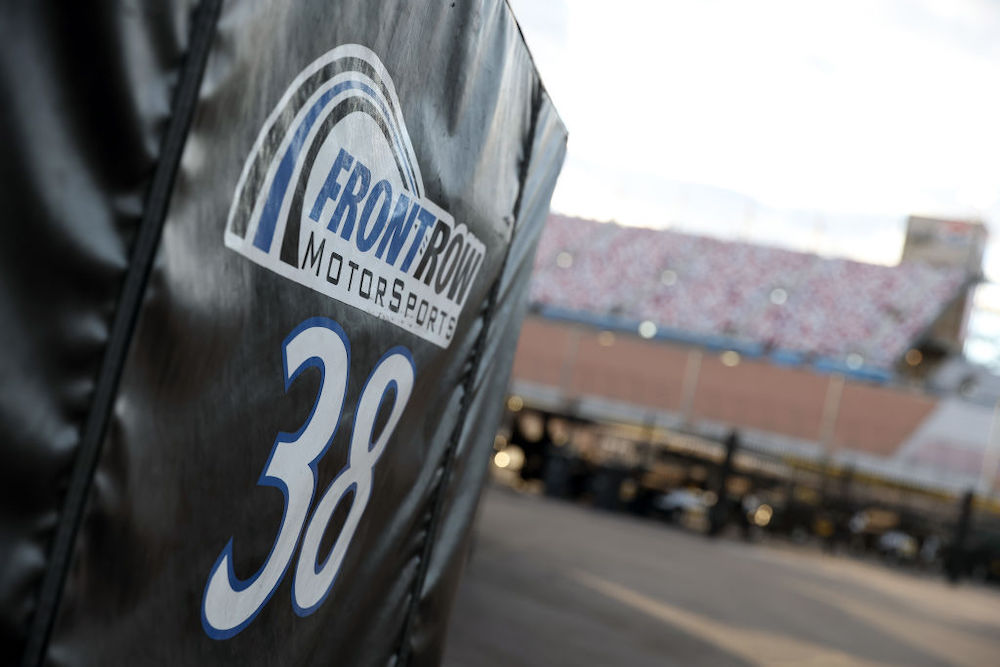
The Legal Battle Between NASCAR, 23XI Racing, and Front Row Motorsports: An In-Depth Analysis
In the world of motorsports, few events generate as much excitement and controversy as NASCAR. Recently, a significant legal dispute has unfolded between NASCAR and two of its teams, 23XI Racing and Front Row Motorsports. This conflict revolves around the concept of charters—an essential aspect of the NASCAR Cup Series that impacts team operations and financial stability. In this article, we will explore the details of this legal battle, its implications for the sport, and the ongoing negotiations that could shape the future of NASCAR.
Understanding Charters in NASCAR
To grasp the significance of this legal dispute, it is crucial to understand what charters represent within NASCAR. Introduced in 2016, the charter system can be likened to a franchise model in professional sports. It provides teams with guaranteed entry into races, ensuring a more stable financial footing. Teams that hold charters receive a guaranteed share of the prize money, which is typically more substantial than what non-charter teams, often referred to as Open teams, can expect.
The charter system was designed to enhance the value of team ownership, making it easier for owners to sell their assets when they decide to exit the sport. In recent years, the market for these charters has been robust, with many exiting teams commanding high prices for their charters. However, not all teams have opted to participate in this system, leading to the current legal conflict.
The Origins of the Legal Dispute
The legal skirmish began when NASCAR established a deadline for teams to sign a new charter agreement for the 2025 season. 23XI Racing and Front Row Motorsports declined to sign the agreement, which led to their decision to race as Open teams starting from the Dover Motor Speedway event in July. This decision was rooted in broader concerns regarding the charter system, particularly about the perceived lack of fairness and transparency in revenue sharing.
In October, both teams filed a joint lawsuit against NASCAR, claiming that the organization was violating antitrust laws and functioning as a monopoly within the realm of stock car racing. Their allegations highlighted how NASCAR’s strategic acquisitions, such as racetrack purchases and exclusive media deals, have created an environment that disproportionately benefits certain teams and stakeholders, particularly the France family, which has historically held a significant stake in NASCAR.
In their statement, 23XI Racing and Front Row Motorsports emphasized their shared passion for the sport and the need for reform. They argued that these changes are essential for the long-term health of racing and would ultimately benefit not only the teams and drivers but also sponsors and fans.
The Charter Agreement and Its Implications
The charter agreement negotiations had been ongoing for about two years before the deadline was established. Team owners expressed concerns about two primary issues: the permanence of the charter system and the distribution of revenue.
NASCAR has maintained that it does not intend to offer permanent charters, insisting that the charter system is tied to its media rights agreements. While the league claims to have increased revenue shares for teams in the latest agreement, many team owners, including those at 23XI Racing and Front Row Motorsports, felt that the terms were not equitable.
The crux of the dispute lies in the teams’ desire for a more stable and permanent charter system, which they believe would provide greater security for their investments and operations. However, NASCAR contends that the charter system, while beneficial, is not essential for its operations and that teams should not expect guaranteed entry into races.
The Demands of 23XI Racing and Front Row Motorsports
In their initial lawsuit, 23XI Racing and Front Row Motorsports did not lay out extensive specifics or demands. However, their primary goal is clear: they seek recognition as charter teams and, ultimately, for the charter system itself to become permanent. This desire is rooted in their dissatisfaction with the current terms of revenue sharing and the belief that the existing charter framework is unfair.
By not signing the charter agreement, these teams have positioned themselves as outliers within the NASCAR landscape. They argue that to foster a more competitive and equitable environment for all teams, significant changes to the charter system are necessary.
NASCAR’s Position and Response
NASCAR has responded to the lawsuit by characterizing it as meritless and asserting that it undermines the very charter system that teams like 23XI Racing and Front Row Motorsports initially supported. According to Chris Yates, NASCAR’s lead counsel, the organization believes that the charter system has strengthened the sport and provided benefits to racing teams.
NASCAR has also pointed out that it operates several racing series without a charter system, suggesting that the organization does not depend on this model for its success. The league argues that the recent charter agreement, which was signed by the majority of teams, is fair and aligns with the interests of the sport as a whole.
Furthermore, NASCAR has filed a counterclaim against 23XI Racing and Front Row Motorsports, as well as Curtis Polk, a co-owner of 23XI Racing. This counterclaim alleges that the teams engaged in conspiracy by pressuring other teams, interfering with broadcast negotiations, and threatening to boycott events. NASCAR has made it clear that it has no intention of renegotiating the terms of the charter agreement.
The Road Ahead: Upcoming Hearings and Trials
As the legal dispute continues, both sides are preparing for a series of hearings and mediation sessions. A hearing regarding 23XI Racing and Front Row Motorsports’ request for a new preliminary injunction is scheduled for late August. In addition, the discovery process is ongoing, and mediation efforts are expected to take place in the coming weeks.
A trial date for the antitrust lawsuit has been set for December 1. As both parties navigate this complex legal landscape, there remains a significant lack of indication that either side is willing to move closer to a settlement. The outcome of this dispute will likely have far-reaching implications for the future of NASCAR and its teams.
Implications for the Future of NASCAR
The outcome of the legal battle between NASCAR, 23XI Racing, and Front Row Motorsports could significantly impact several aspects of the sport. If the court sides with the teams, it may pave the way for changes to the charter system, potentially leading to a more competitive and equitable environment for all NASCAR teams. This could reshape the financial landscape of the sport and alter the dynamics of team ownership.
Conversely, if NASCAR prevails, it may solidify the current charter system’s framework and reinforce its authority over team operations. This could deter other teams from pursuing similar legal action or seeking changes to the status quo.
The ongoing negotiations and legal maneuvers will be closely monitored by fans, teams, and stakeholders alike. The resolution of this dispute could usher in a new era for NASCAR, one that addresses the concerns raised by teams while maintaining the integrity and competitiveness of the sport.
In conclusion, the legal battle between NASCAR and its teams, particularly 23XI Racing and Front Row Motorsports, highlights the complexities of the charter system and the broader challenges facing the sport. As both sides prepare for upcoming hearings and trials, the future of NASCAR hangs in the balance, with potential ramifications that could reshape the landscape of stock car racing for years to come.
