Cadillac’s Journey into Formula 1: Key Insights from Initial Testing
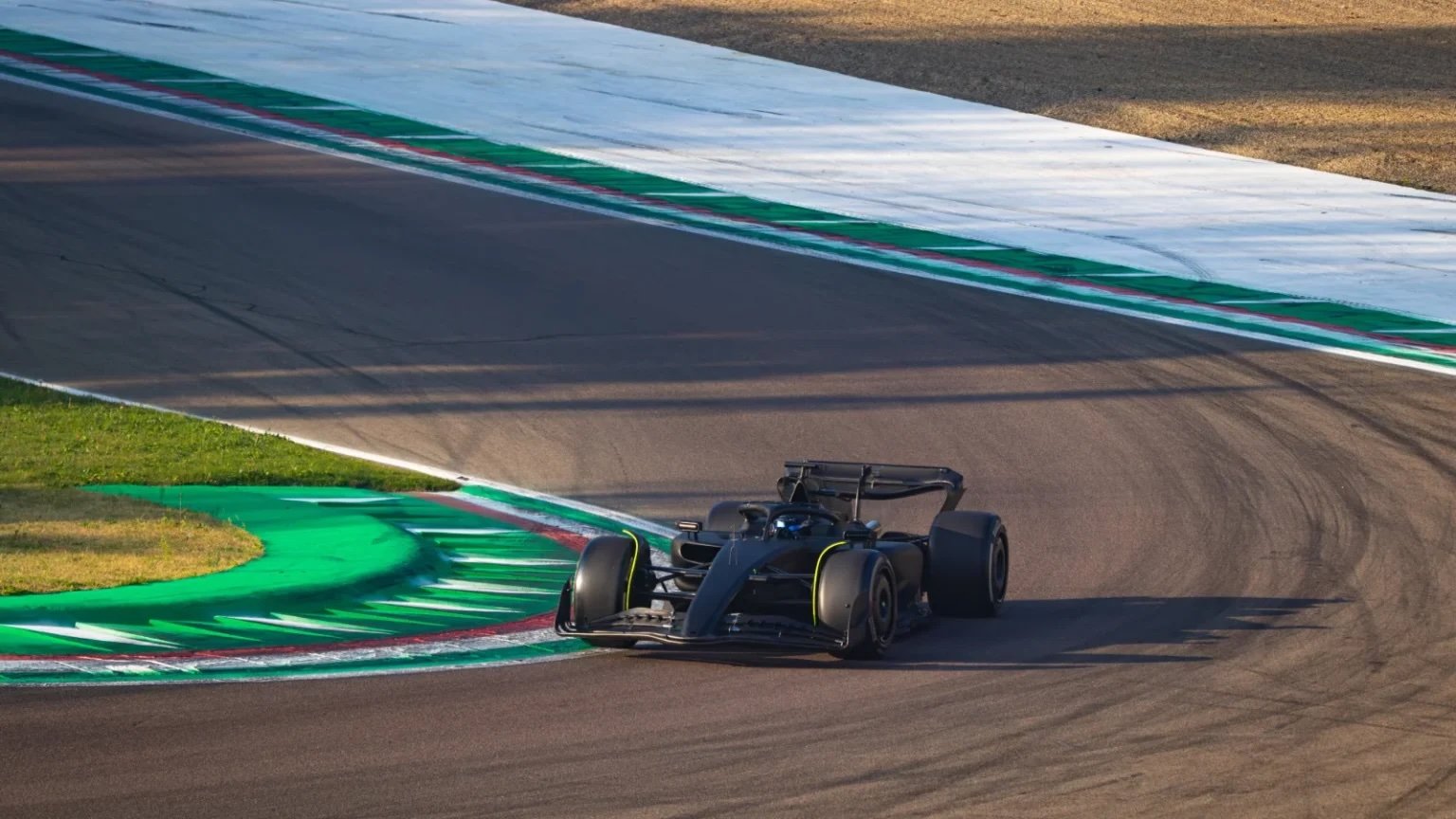
Cadillac has taken significant strides in its preparations for entering Formula 1 in the upcoming year. The team conducted an important test at the Imola circuit, with Sergio Perez driving a 2023 Ferrari. While Cadillac does not yet have its own car ready for competition, this test utilizing the TPC (Testing with Previous Cars) was crucial for refining internal processes and simulating real track situations prior to their official debut, which is set for 2026.
Importance of Operational Development
Graeme Lowdon, team principal, emphasized that the primary focus of this testing initiative was not to evaluate the performance of the borrowed Ferrari, which will serve as the engine supplier for Cadillac, but rather to enhance operational routines. "This was a highly beneficial exercise. We are a new team with a wealth of combined experience, but we have been working together for less than a year," he stated.
The implications of this statement are significant. For a newcomer in the high-stakes arena of Formula 1, establishing a solid operational foundation is vital. Lowdon explained that the Cadillac team has been conducting extremely realistic "practice races," which include sending documents to a mock email address created by the team that simulates communication with the FIA. This approach allows them to troubleshoot common race weekend issues, such as mechanical failures and track incidents, in a controlled environment.
Bridging the Gap in Mechanical Experience
The test at Imola served to fill the one gap that could not be simulated internally: the hands-on experience of mechanics working with a real car on the track. "We wanted to give the mechanics the opportunity to experience procedures such as tire blanket heating, start protocols, and the rapid transition from Q1 to Q2," Lowdon explained. The only way to achieve this level of realism is to utilize a Formula 1 car.
Moreover, he highlighted the importance of training for emergency situations, particularly concerning the Energy Recovery System (ERS). The need for crew members from diverse backgrounds to understand that each power unit requires specific responses is critical for the team’s success. This speaks to the complexity of Formula 1 operations and the high level of coordination required among team members.
Preparing for Real-World Scenarios
Lowdon remarked that the exercises conducted during this testing phase were essential in preparing the team for real-world conditions. "It was extremely useful. I am very pleased that we undertook this. For any other team looking to enter Formula 1, I would recommend this kind of process without hesitation," he added. His confidence in the approach suggests that Cadillac is laying a strong foundation for its future in the sport.
The importance of these preparatory steps cannot be understated. As Cadillac gears up for its entry into Formula 1, it is clear that a robust operational framework will be necessary to navigate the complexities of racing at this elite level.
Looking Ahead to Filming Days
Cadillac anticipates its first filming day with its own car in January 2026, ahead of pre-season testing in Barcelona later that month. This timeline is crucial for the team as it marks the transition from preparation to actual competition readiness.
Filming days are an important milestone for any new team in Formula 1. They provide an opportunity to showcase the car and allow the team to assess its performance in a controlled environment. For Cadillac, this will be the first chance to see their vision and engineering come to life on the track.
Building a Competitive Edge
As Cadillac approaches its entry into Formula 1, the team is focused on developing a competitive edge. This involves not only refining operational procedures but also ensuring that each member of the team is well-trained and prepared for the unique challenges of F1 racing.
The team’s commitment to thorough preparation reflects a broader understanding of the demands of the sport. Formula 1 is not just about having a fast car; it is also about having a cohesive team that can work seamlessly under pressure. Cadillac’s approach to training and testing is designed to cultivate this essential aspect of racing.
Engaging with the F1 Community
In addition to their internal preparations, Cadillac recognizes the importance of engaging with the wider Formula 1 community. Building relationships with other teams, sponsors, and fans will be integral to their success. This engagement not only fosters a sense of camaraderie but also provides valuable insights into the intricacies of the sport.
By participating in community events and establishing a presence within the F1 ecosystem, Cadillac can position itself as a serious contender. This visibility is crucial for attracting sponsorships, which are vital for funding the team’s operations and development efforts.
The Road to 2026: Strategic Planning
As Cadillac looks to 2026, strategic planning will play a pivotal role in their success. The team must carefully map out its objectives, focusing on both short-term goals, such as successful test sessions, and long-term ambitions, like achieving podium finishes.
This strategic planning involves a thorough analysis of competitors, market trends, and technological advancements within the sport. Understanding these elements will help Cadillac make informed decisions about car development, team dynamics, and race strategies.
Emphasizing Innovation and Technology
One of the cornerstones of Formula 1 is innovation. As Cadillac prepares to enter the sport, a strong emphasis on technology and engineering excellence will be essential. The team must invest in research and development to ensure that their car is competitive in terms of speed, reliability, and efficiency.
In an era where hybrid technology plays a significant role in F1, Cadillac’s approach to integrating advanced systems will be crucial. The team’s ability to adapt to the evolving technological landscape of the sport will determine its competitiveness on the track.
Cultivating a Winning Culture
Beyond technical expertise, cultivating a winning culture within the team is vital. This encompasses instilling a mindset of excellence, resilience, and teamwork. Every member of the Cadillac team, from engineers to pit crew, must share a common vision and work collaboratively towards achieving their goals.
Leadership plays a key role in fostering this culture. Lowdon’s experience and guidance will be instrumental in shaping the team’s ethos and ensuring that everyone is aligned with the overarching mission of becoming a competitive force in Formula 1.
Engaging Fans and Building a Legacy
As Cadillac embarks on its journey in Formula 1, engaging with fans will be essential for building a lasting legacy. The team’s success will not only be measured by race results but also by how well they connect with their audience.
Utilizing social media, fan events, and interactive content will help Cadillac establish a strong brand presence. By sharing behind-the-scenes insights, updates on car development, and engaging stories about team members, Cadillac can create a loyal fan base that supports them through their journey.
Anticipating Challenges Ahead
While Cadillac’s preparations are underway, the road to Formula 1 is fraught with challenges. The team must anticipate potential obstacles, including technical setbacks, regulatory changes, and the intense competition that defines the sport.
Having contingency plans in place and remaining adaptable will be essential for overcoming these challenges. The ability to pivot in response to unexpected situations can make a significant difference in a team’s performance and overall success.
A Vision for the Future
Cadillac’s entry into Formula 1 represents a bold vision for the future. With a commitment to excellence, innovation, and strategic planning, the team is poised to make its mark in the world of motorsport.
As they prepare for their official debut in 2026, Cadillac is focused on building a strong foundation that will support their ambitions in the years to come. By prioritizing operational efficiency, engaging with the F1 community, and fostering a culture of teamwork, Cadillac is taking the necessary steps to become a formidable competitor in Formula 1.
In conclusion, Cadillac’s approach to entering Formula 1 is marked by careful planning, a focus on operational readiness, and a commitment to innovation. As the team gears up for its debut, it is clear that they are laying the groundwork for a successful future in one of the most competitive sports in the world.
