Chase Elliott’s Tumultuous Bristol Race: A Closer Look
Chase Elliott’s NASCAR Cup race at Bristol took a surprising turn, concluding abruptly after 311 laps of intense competition. This race marked a significant moment in the season, especially as it was the first elimination race in the playoffs, setting the stage for critical outcomes as drivers vied for a spot in the next round.
The Incident That Changed Everything
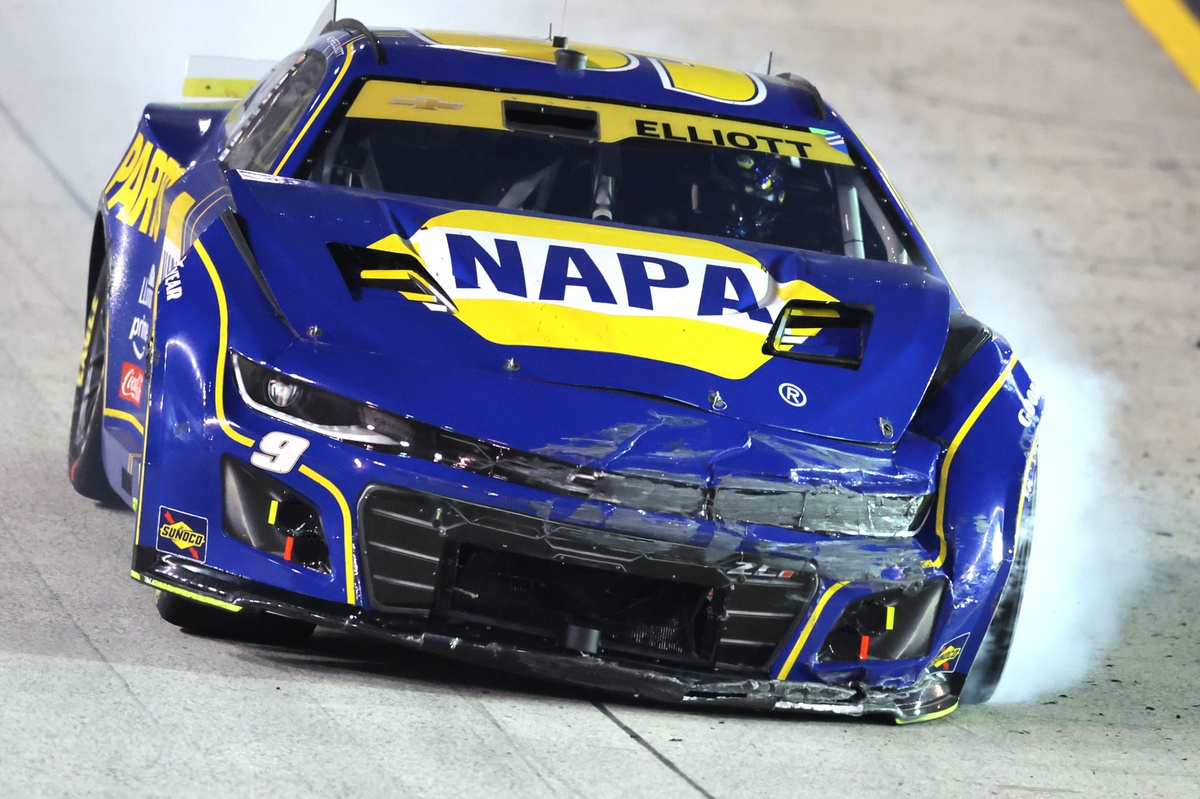
Elliott’s misfortune began when he found himself shuffled out of position on the track. In an attempt to regain his footing, he aimed to maneuver back to the bottom lane. However, as he made this move, John Hunter Nemechek was gaining on him rapidly. The two cars made contact, resulting in Elliott’s No. 9 Hendrick Motorsports Chevrolet crashing into the outer wall. This incident not only ended his race but also marked just the second time this season that he failed to finish a race.
The timing of this DNF (Did Not Finish) was particularly unfortunate. As the playoffs progressed, the stakes were higher than ever. Elliott quickly found himself in a precarious position, facing the reality that a win by any of the drivers below the cutline could jeopardize his chances of advancing further in the playoffs.
Playoff Implications and Points Situation
In the world of NASCAR, the playoffs are a high-stakes environment where every point counts. At Bristol, Elliott’s situation became even more pressing with the reset of points for the Round of 12. Fortunately for him, no other driver could surpass him on points at that moment. However, the looming threat remained that a victory from one of the competitors ranked lower could potentially end his title run for 2025.
Among the four drivers who posed a threat to Elliott, only one had a strong chance of winning—his Hendrick teammate, Alex Bowman. Although Bowman did not clinch the victory that day, a twist of fate came when Austin Cindric, another competitor, faced his own challenges on the track, helping to alleviate the pressure on Elliott.
When Elliott was first released from the infield care center, he appeared somewhat bewildered about his points standing. His perception of the situation led him to believe he was in a more critical position than he actually was. This moment of confusion underscores the intense pressure and mental strain that drivers face during the playoffs.
Elliott’s Perspective on the Collision
Reflecting on the collision that ultimately ended his race, Elliott provided insight into what transpired on the track. He recounted how Joey Logano had gained a position on him, prompting him to make what he thought was a strategic move to return to the bottom lane. "I visually saw the gap, so I just tried to get back in line," Elliott explained. However, the situation escalated quickly as he received a significant hit from behind. "I’m not sure if the No. 42 [Nemechek] got pushed in there [by Denny Hamlin] or he wasn’t expecting me to come back to the bottom or what the reasoning was, but nonetheless, it happened and it’s done," he added, acknowledging the unpredictable nature of racing.
Resetting for the Future
As the playoffs continued, Elliott found himself in seventh place in the standings, just five points above the new cut line. The pressure was on, and every race would be crucial in determining his fate for the remainder of the season. Having previously won the championship in 2020, the stakes were even higher for him to make another strong push for the title.
The Competitive Nature of NASCAR Playoffs
The NASCAR Cup Series playoffs are designed to heighten competition and excitement among drivers and fans alike. Each race serves as a pivotal moment where the fortunes of drivers can change dramatically. For Elliott, the Bristol race was a harsh reminder of how quickly circumstances can shift. The playoffs are unforgiving, and the intense competition means that drivers must be on their game at all times.
With only a handful of races remaining in the playoff series, each competitor is aware of the implications of every lap, every pit stop, and every decision made on the track. The pressure mounts with each passing week, and drivers must balance risk and strategy as they navigate the challenges posed by both their rivals and the track itself.
Analyzing the Competition
As Elliott and his team prepared for the upcoming races, they would need to analyze the competition carefully. With strong contenders like Alex Bowman and Austin Cindric in the mix, every race would present new challenges and opportunities. Teams must continually adapt their strategies, making adjustments based on track conditions, weather, and the performance of their competitors.
In NASCAR, teamwork is essential. Each member of a racing team plays a crucial role, from the crew chief’s strategic calls to the pit crew’s lightning-fast tire changes. Elliott’s success hinges not only on his skill as a driver but also on the effectiveness of his team. As they move forward, communication and collaboration will be key components in their pursuit of the championship.
Looking Ahead
With the playoffs in full swing, the focus for Chase Elliott and his team will be on maintaining momentum and staying competitive. While the Bristol race was a setback, it also served as a learning experience. Understanding the dynamics of racing and the unpredictable nature of the sport will be vital as they head into the next rounds.
Elliott’s determination and resilience will be tested as he navigates the challenges ahead. Fans and analysts alike will be watching closely to see how he responds to this setback and whether he can capitalize on the opportunities that lie ahead in the season.
In conclusion, Chase Elliott’s experience at Bristol serves as a reminder of the fierce competition within the NASCAR Cup Series playoffs. As drivers strive for victory, the pressure intensifies, making every race a battle not just for points but for survival in the championship chase. With the stakes this high, fans can expect thrilling races as the season unfolds.
