The Evolution of Formula 1 Circuits: Nostalgia for Iconic Tracks
Formula 1 has undergone a remarkable transformation over the years, showcasing a wide variety of circuits that have left an indelible mark on the sport. Among these tracks, some historical venues continue to evoke a sense of nostalgia among fans. With the recent announcement of the Algarve Circuit in Portugal making its comeback for the 2027 and 2028 seasons—at least for those two years—enthusiasts are now calling for the return of other circuits renowned for their unique challenges and rich traditions. Notable mentions in this ongoing conversation include Hockenheim, Sepang, and Istanbul Park.
Hockenheimring: A German Classic
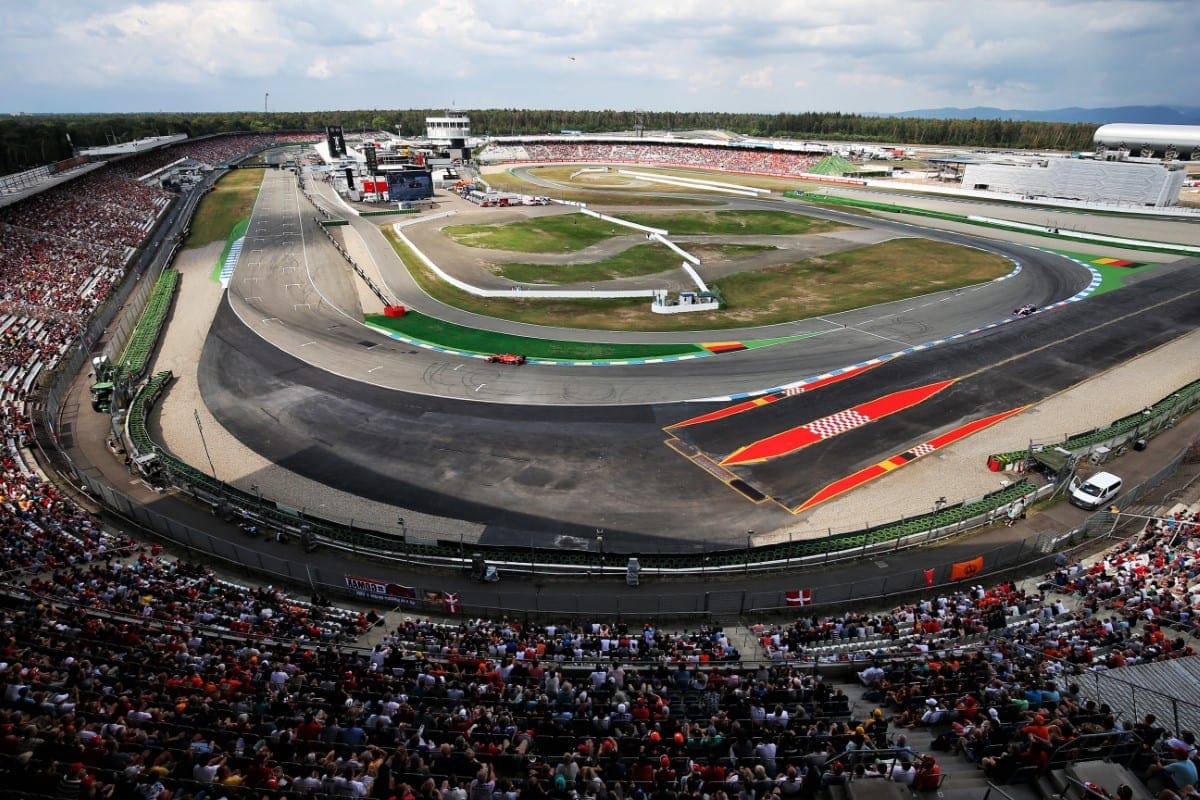
The Hockenheimring stands out as one of the most iconic racing circuits in Germany, often topping the list of tracks fans wish to see return to the Formula 1 calendar. With a length of 4.574 kilometers, this circuit has a reputation for hosting some of the most thrilling races, particularly under rainy conditions. The last race held there in 2019 saw Max Verstappen emerge victorious, with Lewis Hamilton failing to secure a podium finish due to an unfortunate mistake. The Hockenheimring holds a significant place in the annals of Formula 1 history, and its potential return would not only celebrate its legacy but also reignite the excitement that has surrounded it for decades.
Fans fondly recall the exhilarating battles that have unfolded at Hockenheim, where the unique layout and unpredictable weather often lead to dramatic outcomes. The circuit’s combination of long straights and challenging corners has historically fostered fierce competition among drivers. Additionally, the passionate German fanbase adds to the electric atmosphere that characterizes races at Hockenheim. Reviving this track could breathe new life into the sport, allowing a new generation of fans to experience its storied past.
Sepang International Circuit: A Malaysian Marvel
Another circuit that has been the subject of much discussion regarding its return is the Sepang International Circuit in Malaysia. This track is celebrated for its expansive design, which features multiple overtaking zones, making it a favorite among both drivers and fans. Hosting races from 1999 until 2017, Sepang was removed from the calendar primarily due to declining ticket sales, but its legacy remains strong. The circuit is remembered for its picturesque surroundings and the challenges it posed to drivers, including its combination of fast straights and technical corners.
Notably, Karun Chandhok, a former Formula 1 driver, has been a vocal advocate for Sepang’s return, emphasizing its significance to the sport. He believes that the track’s unique characteristics and the enthusiastic Malaysian crowd made it a vital part of the F1 landscape. The potential revival of Sepang could offer a refreshing change to the current calendar, inviting both returning fans and new audiences to engage with the sport in a vibrant setting.
Istanbul Park: A Challenging Circuit
Istanbul Park in Turkey is yet another circuit that has garnered considerable interest from fans eager to see it return to the Formula 1 calendar. Renowned for its challenging Turn 8—a multi-apex corner that demands a high level of commitment from drivers—this track has a reputation for delivering thrilling races. Istanbul Park was part of the F1 calendar from 2005 to 2011 and made a comeback for events in 2020 and 2021. The intense battle between Sergio Perez and Lewis Hamilton in 2021 is a testament to the high-quality competition that the circuit can provide.
The layout of Istanbul Park not only challenges drivers but also offers spectators an excellent viewing experience, as multiple sections of the track can be seen from various vantage points. The combination of technical complexity and high-speed sections makes it a favorite among drivers, and its return could add a new layer of excitement to the Formula 1 season.
The Call for African Circuits
In addition to the aforementioned circuits, there is growing enthusiasm for bringing Formula 1 back to the African continent. The last race held in Africa took place in 1993 at Kyalami, South Africa, and the desire to change this reality has gained momentum in recent years. Countries like Rwanda have expressed interest in hosting an F1 race, which could pave the way for the sport’s expansion into new territories and markets.
The return of Formula 1 to Africa would not only honor the continent’s rich motorsport history but also provide an opportunity for F1 to engage with a diverse and passionate fanbase. The potential for races in Africa could also stimulate local economies and promote tourism, further enhancing the global appeal of Formula 1.
The Future of Formula 1 Circuits
As discussions around the potential return of these iconic circuits continue to gain traction, it is evident that the world of Formula 1 is at a crossroads. The sport’s leadership has the opportunity to reconsider the inclusion of historic tracks that have played pivotal roles in F1’s evolution. With fans eagerly anticipating the return of familiar venues, along with the excitement that new circuits can bring, the future of the sport’s calendar is full of possibilities.
The ever-changing landscape of Formula 1 requires a delicate balance between tradition and innovation. While new circuits are essential for keeping the sport fresh and engaging, the historical significance of established tracks cannot be overlooked. By embracing both the past and the future, Formula 1 can continue to captivate audiences around the globe.
Conclusion
In summary, the nostalgia surrounding iconic Formula 1 circuits like Hockenheim, Sepang, and Istanbul Park highlights the enduring connection between fans and the tracks that have shaped the sport. As the conversation around the return of these venues gains momentum, it is clear that the future of Formula 1 is not only about new challenges and innovations but also about honoring the rich history that has defined the sport for generations. The desire for a diverse and dynamic calendar reflects the passion of fans and the ongoing evolution of Formula 1, ensuring that it remains one of the most thrilling spectacles in the world of sports.
