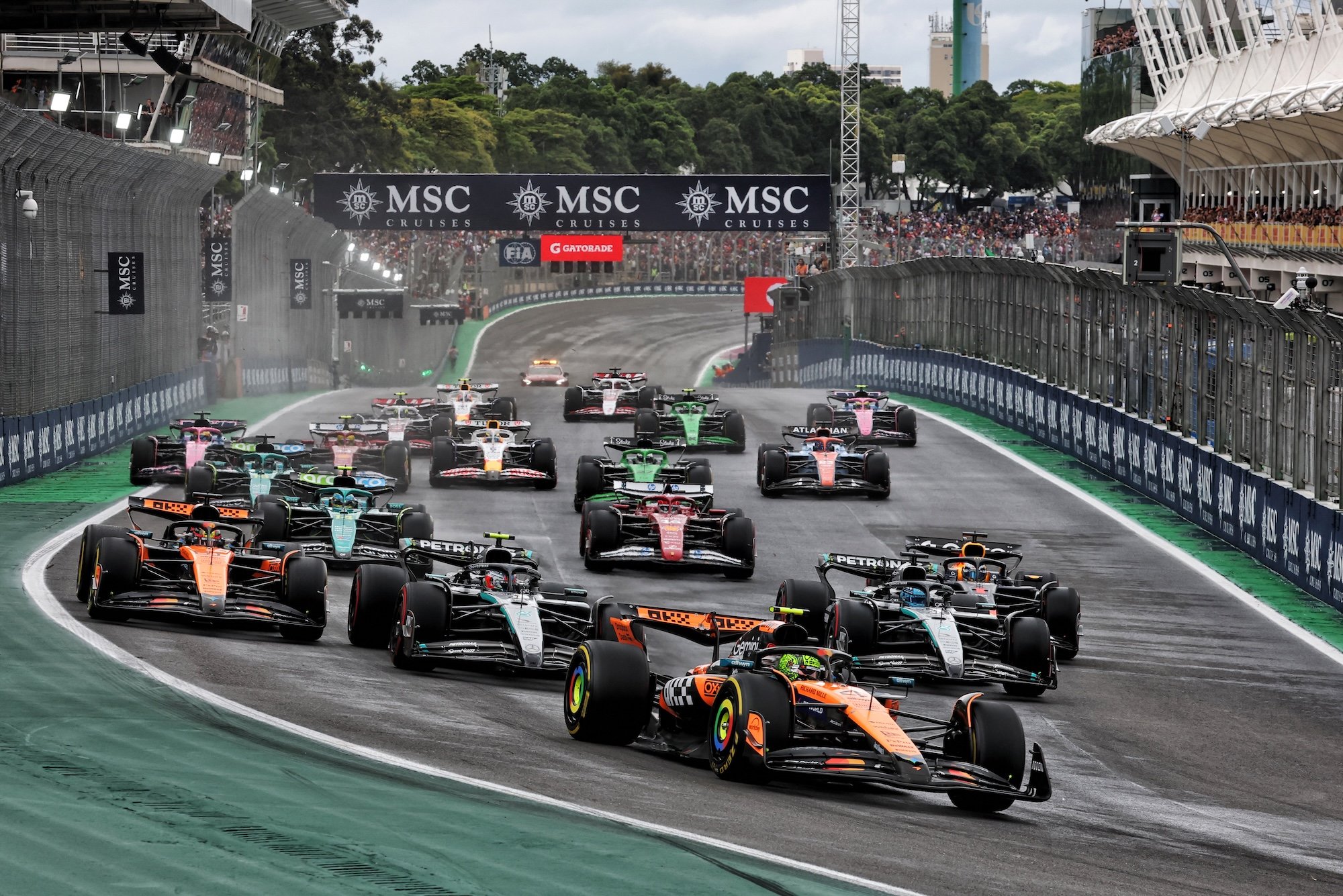
Investigation Requested into F1 São Paulo Grand Prix Ticket Sales
In a recent development, federal representative Erika Hilton from São Paulo, affiliated with the PSOL party, took to her social media platforms to express her concerns regarding the ticket sales for the upcoming Formula 1 São Paulo Grand Prix. The ticketing process is managed officially through Eventim, a well-known ticketing platform. On Monday, October 17, the tickets were made available to the general public for the 2026 edition of this iconic motorsport event. However, within a mere three minutes of the sale opening at noon, all tickets were reportedly sold out. This alarming trend was also observed during pre-sale events for Porto Bank and American Express customers.
The swift sellout provoked a wave of complaints from fans across various social media channels. Many of these concerned individuals demanded a thorough investigation into the ticketing process, raising multiple issues related to Eventim’s operations. Fans reported receiving notifications about tickets being available, only to find out that they were not in stock, or faced technical difficulties during the payment process.
In response to the escalating concerns, Representative Hilton formally requested an investigation by the National Consumer Secretariat (SENACON). She noted an influx of messages from constituents questioning how the tickets could vanish so quickly, particularly given the scale of the event. “It is unusual for all tickets to an event that typically attracts around 300,000 attendees annually to sell out within just seven minutes of sales commencing,” she remarked. She is seeking an inquiry into whether some tickets may have been reserved for scalpers, digital resale platforms, or for future "extraordinary" sales at higher prices.
In her statement, Hilton further emphasized the need for accountability from Eventim. She requested clarification on the methods the platform employs to safeguard against automated purchase bots and what measures are in place for confirming the identities of buyers. “Yes, my office is dedicating time to this issue. We have received numerous requests from the public, and we believe it is a fundamental right for everyone to purchase tickets under fair, transparent, and functional conditions,” she added.
Furthermore, Hilton pointed out that between 2022 and 2025, the events sector has received approximately R$ 60 billion in public funding through the Emergency Program for the Recovery of the Events Sector, known as Perse, not to mention other potential benefits. The São Paulo Grand Prix is held at the Interlagos circuit, funded by the São Paulo city government, which pays roughly R$ 132 million annually to host the event. Additionally, there has been an investment of R$ 500 million by the municipality to upgrade the Interlagos racetrack. “This is all public money. A sector that receives such substantial support from the government and society must adhere to the highest standards of commercial practices,” she concluded.
The 2025 edition of the F1 São Paulo Grand Prix set a record for attendance, drawing in a total of 303,627 spectators over the three days of the event at Interlagos.
As the investigation unfolds, it remains crucial to monitor how both Eventim and the relevant authorities respond to these concerns. The integrity of the ticketing process directly impacts fans’ experiences and access to events they hold dear. The introduction of measures to ensure transparency and fairness in ticket sales is paramount, particularly given the significant public investment in hosting such high-profile events.
In conclusion, the call for an investigation into the ticket sales for the São Paulo GP highlights the ongoing challenges faced in the ticketing industry, particularly in the realm of high-demand events like Formula 1. The resolution of these issues will be vital in restoring trust among fans and ensuring that everyone has a fair chance to participate in these thrilling experiences.
