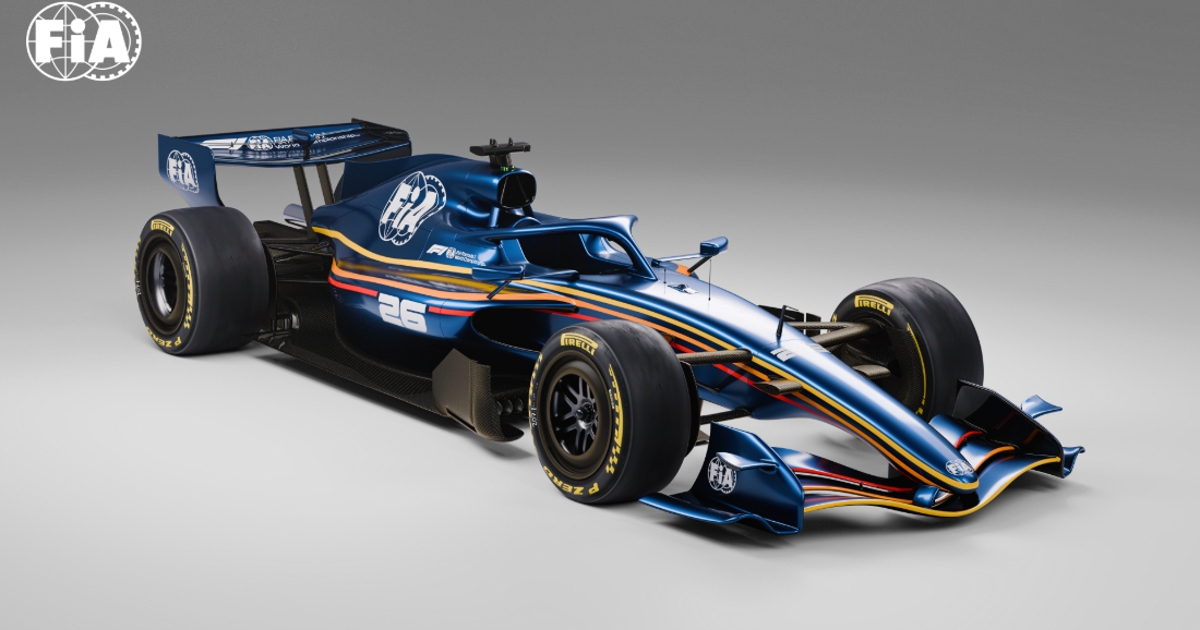
New Terminology and Regulations for Formula 1 Cars in 2026
As Formula 1 gears up for a significant transformation in 2026, the FIA has introduced a set of new terms and rules that will shape the cars of the future. This overhaul marks a pivotal moment in the sport, as it aims to enhance both performance and excitement on the track. The 2026 regulations will see a near equal division of power between the internal combustion engine and electrical energy, ushering in a new era of racing technology and competition.
Changes in Power Units: A New Era of Energy Distribution
One of the most noteworthy changes in the upcoming regulations is the shift towards a power unit that utilizes almost a 50:50 split between the internal combustion engine and electrical energy. This shift is designed to maximize efficiency and performance, reflecting the ongoing trend in motorsports towards sustainability. The increased reliance on electrical energy will not only enhance the cars’ speed but also contribute to a more eco-friendly approach to racing.
In conjunction with the new energy distribution, active aerodynamics will be introduced. This innovative technology aims to optimize the vehicle’s aerodynamic performance in real-time, adapting to various racing conditions and enhancing the overall racing experience for both drivers and fans alike.
Introduction of New Overtaking Aids
To further enhance the excitement of on-track battles, the FIA has replaced the traditional Drag Reduction System (DRS) with a new overtaking aid referred to simply as "Overtake." This system will allow drivers who are within one second of the car ahead to deploy extra energy, giving them a potential advantage in head-to-head situations. This change is a direct response to feedback from fan focus groups that included both existing and potential new fans of the sport. The goal is to simplify the technology used in racing while making it more engaging for spectators.
In addition to the "Overtake" function, drivers will also have access to a "Boost" feature. This will enable them to utilize the Energy Recovery System (ERS) to deploy energy strategically during the race, providing an extra layer of tactical depth to the competition.
Active Aerodynamics: Straight Mode and Corner Mode
One of the most revolutionary aspects of the 2026 regulations is the introduction of active aerodynamics. These systems will operate in two distinct modes: "Straight Mode" and "Corner Mode."
Corner Mode is designed for standard racing conditions, allowing the car to generate maximum downforce while navigating corners. This configuration is essential for maintaining speed and stability during turns.
- Straight Mode, on the other hand, optimizes the car for speed on straights by adjusting the front and rear wing flaps. In this mode, the flaps open to reduce aerodynamic drag, which enables the car to achieve higher speeds with less energy consumption. However, this mode will only be available in specific designated areas on each circuit, identified as straights of a minimum length.
The implementation of these modes is expected to add a strategic element to racing, as drivers will need to decide when to switch between configurations based on their position on the track and the situation at hand.
Addressing the Challenges of Dirty Air
Another primary focus of the 2026 regulations is to mitigate the effects of dirty air on following cars. The FIA is working to improve the aerodynamic performance of cars in close proximity, addressing issues that have persisted in previous seasons. In 2021, data indicated that a car following within 20 meters of the leader could access approximately 67% of the leader’s aerodynamic performance, which diminished to about 55% at a distance of 10 meters. The target set by Formula 1 for 2022 aimed for 95% performance at 20 meters and 85% at 10 meters.
Despite these ambitious goals, three years of data have shown average performance levels of around 80% at 20 meters and 65% at 10 meters. With the upcoming changes, the FIA has set new targets for 2026, aiming for 90% performance at 20 meters and 80% at 10 meters. This is part of a broader initiative to enhance overtaking opportunities and maintain competitive racing.
Continuous Monitoring and Improvements
Nikolas Tombazis, the FIA’s single-seater director, has acknowledged the challenges faced in maintaining close racing throughout the previous seasons. While initial reports from 2022 indicated promising results in terms of following closely, the reality has shifted as teams adapted to the regulations. Tombazis noted that certain elements of the car design, particularly the front wing endplate and other aerodynamic features, had been exploited in ways that went against the intended spirit of the rules.
The FIA’s focus for 2026 is to address these loopholes, ensuring that the new regulations promote fair competition and facilitate overtaking rather than hindering it. The organization is committed to refining the aerodynamic regulations, particularly in areas such as the front wing and the floor edges of the car, which have proven to be critical in influencing performance.
Looking Ahead: The Future of Formula 1
As Formula 1 prepares for these significant regulatory changes, the landscape of the sport is set to evolve dramatically. The introduction of new technologies, energy distribution models, and overtaking aids aims to create a more dynamic and thrilling racing environment. Fans can look forward to a more engaging experience, with drivers equipped with tools that enhance their chances of making daring overtakes and competing for positions on the track.
The ongoing dialogue between the FIA, teams, and fans will play a vital role in shaping the success of these new regulations. By addressing past challenges and implementing innovative solutions, Formula 1 aims to foster a competitive atmosphere where skill and strategy can shine.
In summary, the 2026 regulations for Formula 1 cars are set to redefine the sport, making it more exhilarating for both participants and spectators. With a stronger emphasis on electrical energy, active aerodynamics, and new overtaking techniques, the future of racing looks bright as it embraces these changes. The commitment to improving the overall racing experience while striving for sustainability reflects the sport’s dedication to evolving with the times and meeting the expectations of its global audience.
