Monza Grand Prix: A Shift in Dynamics for Red Bull and McLaren
The Italian Grand Prix at Monza has long been a key fixture in the Formula 1 calendar, and the 2023 edition was no exception. The race unfolded in a manner that surprised many, particularly in light of Max Verstappen’s previous declaration about the Red Bull car being a "monster" last year. Expectations were low for Red Bull heading into this year’s race, but the events that transpired would tell a different story.
Verstappen’s Dominance: A Champion’s Performance
When the dust settled after the first practice sessions, it became clear that Red Bull was not going to be the underdog many anticipated. Helmut Marko, a prominent figure in the Red Bull Racing team, made a bold statement that Verstappen could contend for the win. This assertion raised eyebrows in the paddock, with many questioning whether Marko was being overly optimistic.
As it turned out, Marko’s confidence was backed by results. Verstappen secured pole position on Saturday, showcasing not just his driving skills but also his influence over the car’s setup. While some technical team members, including Pierre Waché, the technical director, preferred a configuration that prioritized more downforce, Verstappen advocated for a different setup that ultimately paid off.
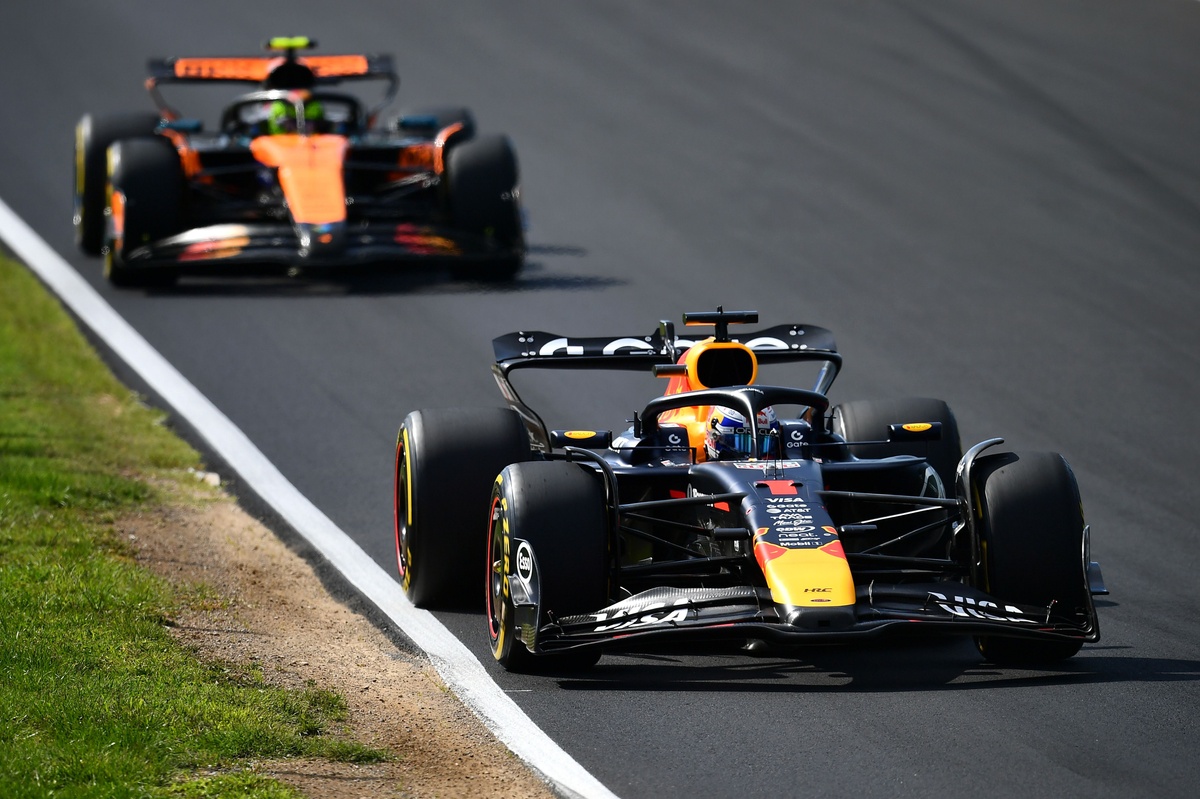
Despite his strong qualifying performance, questions lingered about Verstappen’s race pace. He expressed caution, recalling previous instances where a solid Friday performance did not translate into success on race day. However, those fears were unfounded this time around. During the race, Verstappen executed a brilliant overtaking maneuver around Lando Norris and went on to dominate the event. The commanding victory at Monza served as a reminder of Verstappen’s capabilities and highlighted the significant progress made by Red Bull over the past year.
McLaren’s Internal Dynamics: Team Management Challenges
Just like in the previous year, McLaren found itself navigating the complexities of managing its drivers during the race. The dynamics between Lando Norris and Oscar Piastri are particularly noteworthy, as the team had to make decisions that could impact both drivers’ standings and morale.
Norris finished the race in second place, narrowing the championship gap by three points. However, the question arose whether it was fair for him to reclaim a position lost due to a slow pit stop by McLaren. Piastri’s comments hinted that the internal rules and precedents might not have been entirely honored in this situation, leading to discussions and potential disagreements within the team. This scenario undoubtedly opens the door for further debate about driver management strategies going forward.
Bortoleto’s Steady Ascent: Rookie Success in Formula 1
Gabriel Bortoleto, a rookie driver for Sauber, showcased his talent and determination at Monza, a track that he has become familiar with after winning a Formula 2 race there the previous year. He qualified impressively in seventh place, marking a significant achievement in his debut season. Bortoleto’s performance was not just about qualifying; he demonstrated composure and skill during the race, finishing eighth even as his teammate faced mechanical issues.
This marked Bortoleto’s fourth points finish in just six races, solidifying his reputation as a strong contender in this year’s rookie class. Although Isack Hadjar recently made headlines with a podium finish, Bortoleto’s consistency positions him well in the unofficial Rookie of the Year competition. His ability to adapt and thrive in high-pressure situations speaks volumes about his potential future in the sport.
Tsunoda’s Struggles: A Critical Juncture for the Driver
In stark contrast to Bortoleto’s success, Yuki Tsunoda’s performance continues to raise concerns regarding his future with Red Bull. As the season progresses, the pressure is mounting for Tsunoda to deliver results, especially with the 2026 lineup decisions looming. Despite having aspirations of climbing the ranks, he has struggled to find his footing, and races like Monza may accelerate the decision-making process for team management.
Tsunoda’s inability to secure points, let alone podium finishes, has become increasingly evident. While Verstappen was enjoying a stellar performance, Tsunoda’s challenges highlighted a stark difference in their respective trajectories. Even though he faced difficulties with car specifications, it is becoming harder to justify the gap in performance between him and his more accomplished teammate.
The Need for Exciting Races: A Call for Change in Formula 1
While the Monza Grand Prix is revered for its rich history and tradition, the excitement of the race has waned in recent years, raising questions about the overall spectacle of Formula 1. The race started with high expectations but quickly settled into a predictable pattern, with tire strategies playing a significant role in limiting the potential for thrilling overtakes. The medium tires used during the race seemed to last indefinitely, stifling any opportunities for strategic gambits that could lead to dramatic shifts in position.
Critics have called for changes to enhance the racing experience at traditional circuits. Suggestions have included introducing softer tires for better performance and modifying DRS zones to encourage overtaking. However, there is a broader concern that the current generation of cars has become too reliant on downforce, limiting the potential for exciting racing, particularly on high-speed tracks like Monza.
Formula 1’s leadership, including CEO Stefano Domenicali, has hinted at various ideas to increase excitement in the sport, such as more sprint races, reverse grid formats, and shorter race distances. However, the foundation for any changes should be a commitment to delivering engaging, action-packed races. After all, the best way to capture the interest of younger audiences is to provide them with compelling motorsport experiences.
Conclusion: Looking Ahead to Future Races
The 2023 Monza Grand Prix was a pivotal event in the Formula 1 season, revealing much about the current state of various teams and drivers. Max Verstappen’s dominant performance reaffirmed Red Bull’s position as a formidable force, while McLaren’s internal dynamics showcased the complexities of team management. Meanwhile, Bortoleto’s success as a rookie driver highlighted the fresh talent entering the sport, contrasting sharply with Tsunoda’s ongoing struggles.
As the season progresses, all eyes will be on how these narratives unfold. Will Verstappen continue to dominate? Can McLaren effectively manage its drivers as they battle for championship points? And how will Tsunoda respond to the mounting pressure? The answers to these questions will shape the remainder of the Formula 1 season and define the trajectories of these drivers and teams in the future.
