Ferrari’s Challenging 2025 Formula 1 Season: Insights and Reactions
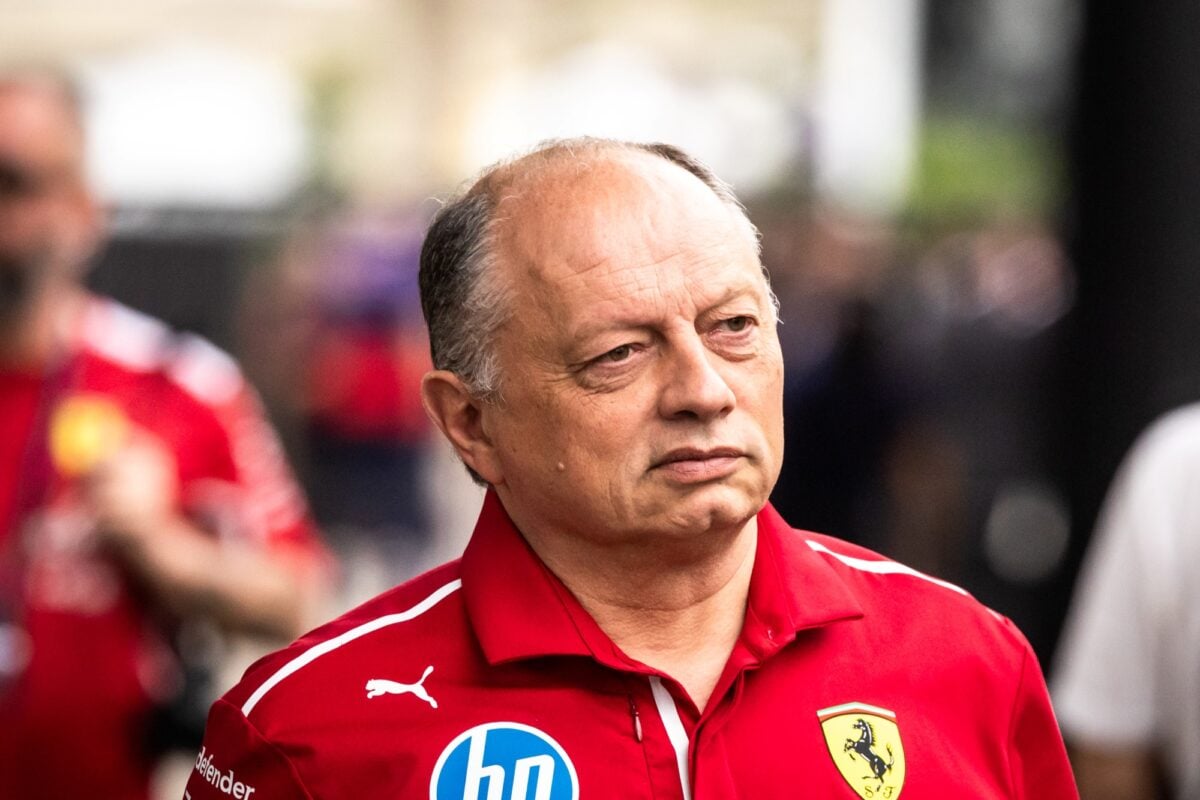
The 2025 Formula 1 season proved to be one of the most difficult periods for Ferrari. The struggles were particularly evident through the experiences of their star drivers, Charles Leclerc and Lewis Hamilton. As both drivers faced mounting criticism and pressure, team principal Frédéric Vasseur addressed their sentiments and the overall performance of the team.
A Year of Challenges for Hamilton and Leclerc
Lewis Hamilton, a name synonymous with success in Formula 1, encountered an unprecedented season in 2025. For the first time in his illustrious career, he ended a season without securing a podium finish. This year marked a significant downturn for the seven-time world champion, who also faced early exits in qualifying sessions, notably in Q1. Similarly, Charles Leclerc found himself grappling with yet another frustrating campaign with the Scuderia, leaving fans and analysts alike to ponder the root of these challenges.
Throughout the season, media appearances by both drivers were often tinged with disappointment and a sense of defeat. Their body language and tone of voice during interviews suggested a shared feeling of frustration. When asked about the mental state of his drivers, Vasseur provided insight into their perspectives, emphasizing the importance of constructive criticism and the team’s drive for improvement.
Vasseur’s Perspective on Driver Feedback
In addressing the concerns raised by Hamilton and Leclerc, Vasseur highlighted the necessity of their feedback. "I would be disheartened if the drivers told me we are doing a great job," he remarked. According to Vasseur, the essence of a driver’s season is to identify areas of improvement. He believes both Hamilton and Leclerc share a common goal: pushing the team to elevate its performance. "They need to come to us and demand the best from the team in every area. There is always room for enhancement," he stated.
This approach reflects a culture of accountability within the team, where open dialogue is encouraged. Vasseur’s comments emerged amidst speculation that Hamilton felt his voice was not being heard within the organization. However, the team principal downplayed any potential disconnect, asserting, "I am not surprised when they say, ‘Fred, we need to do this, that, and the other,’ because that is precisely what we expect from them."
Hamilton’s Emotional Response
Hamilton’s candid remarks about his feelings of "unbearable anger and frustration" following races caught the attention of many. Vasseur acknowledged Hamilton’s emotional state, noting that reactions from drivers shortly after races can be intense due to their competitive nature. "I don’t pay much attention to the reactions during the TV pen interviews, to be honest," he explained. The chaotic environment right after a race can lead to heightened emotions, which is understandable given the stakes involved.
The team principal further elaborated on the timing of these interviews, stating, "I understand that the driver is emotional and wants to return to the engineering office to grasp the reasons behind the performance." This acknowledgment of the emotional rollercoaster that drivers experience is crucial in understanding the dynamics at play within the team.
Leclerc’s Self-Critique
Turning to Leclerc, Vasseur expressed that he was not surprised by the Monegasque driver’s critical outlook. "Charles has a tendency to critique himself first before addressing the team," he noted. This self-reflective nature can be seen as a positive trait, demonstrating Leclerc’s commitment to growth and improvement. Having known Leclerc for over 15 years, Vasseur appreciates this aspect of the driver’s personality, which aligns with the team’s values of striving for excellence.
Leclerc’s introspective approach may be a key factor in his long-term development as a driver. The ability to recognize one’s shortcomings and work towards improvement is essential in a highly competitive environment like Formula 1. Vasseur’s acknowledgment of Leclerc’s critical mindset exemplifies the supportive culture that Ferrari aims to foster among its drivers.
The Road Ahead for Ferrari
As the 2025 season concluded, Ferrari faced the pressing challenge of reassessing its strategies and performance metrics. The disappointment experienced by both Hamilton and Leclerc serves as a wake-up call for the team. With the upcoming season on the horizon, there is an urgent need for Ferrari to recalibrate its approach to both car development and driver support.
The collaboration between drivers and the engineering team will be pivotal in moving forward. Vasseur’s emphasis on communication and feedback will be crucial in fostering a more positive atmosphere. By encouraging Hamilton and Leclerc to voice their concerns and suggestions, Ferrari can create a more inclusive environment that motivates drivers to push the limits of their capabilities.
The Importance of Team Dynamics
The success of any Formula 1 team hinges on its internal dynamics. A cohesive unit that operates harmoniously can often outperform teams with superior machinery but lacking in teamwork. Vasseur’s leadership style, which prioritizes open communication, could be the key to unlocking Ferrari’s potential in the coming seasons.
Both drivers, despite their frustrations, are highly talented individuals with a wealth of experience. Their insights can guide the team toward making informed decisions and strategic adjustments. By leveraging their expertise, Ferrari can enhance its competitiveness on the track.
Building Resilience
Resilience is a crucial trait for any team facing adversity, and Ferrari has the opportunity to build upon the lessons learned during the 2025 season. The ability to bounce back from setbacks will be essential as they prepare for the 2026 season. The challenges faced by Hamilton and Leclerc can serve as catalysts for change, motivating the team to address weaknesses and capitalize on strengths.
Moreover, fostering a culture of resilience among team members can lead to innovative solutions and a renewed sense of purpose. Vasseur’s approach to leadership—encouraging feedback and open dialogue—can help cultivate this resilience, ultimately resulting in improved performance on the track.
Conclusion
The 2025 Formula 1 season was undoubtedly a challenging chapter for Ferrari, marked by the struggles of its star drivers, Charles Leclerc and Lewis Hamilton. As the team looks to the future, the importance of communication, teamwork, and resilience cannot be overstated. With a renewed focus on improvement and collaboration, Ferrari has the potential to rise from its recent challenges and reclaim its position as a formidable contender in Formula 1.
