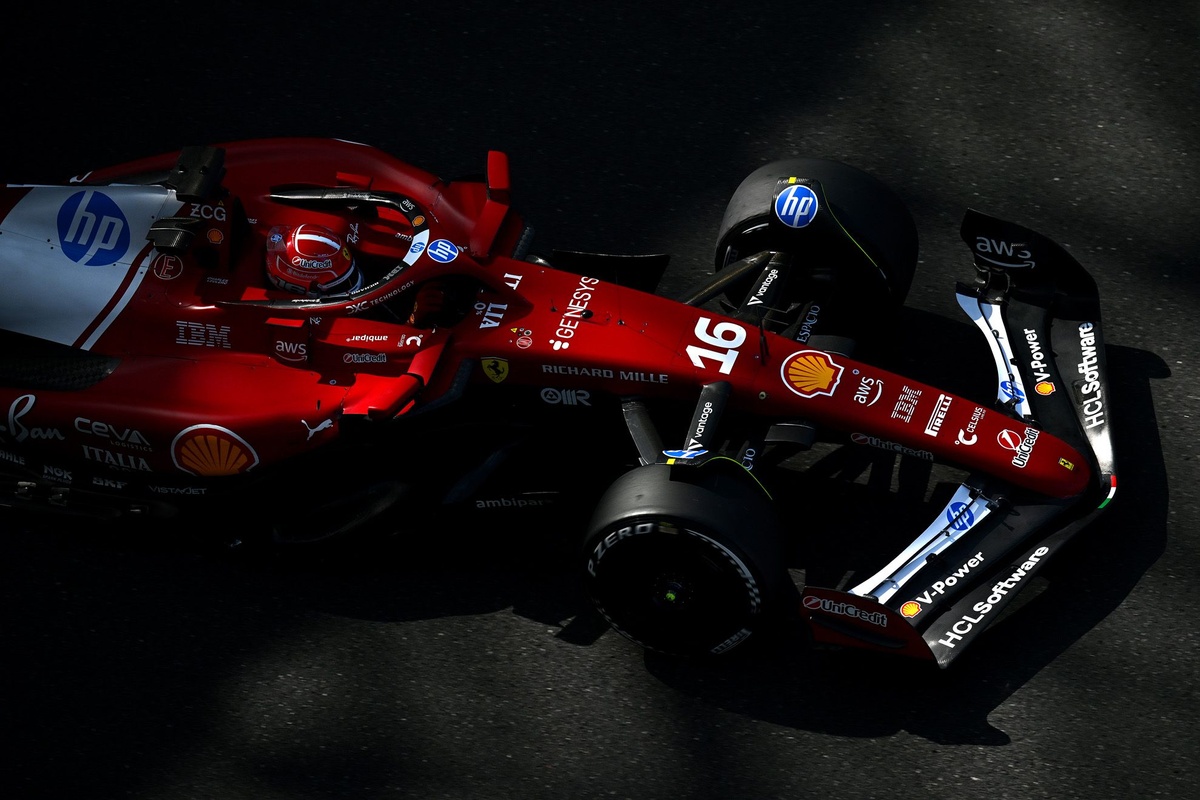
Ferrari’s 2026 F1 Car Unveiling: Key Insights and Expectations
Ferrari’s Formula 1 team is gearing up for a significant milestone in the upcoming 2026 racing season. The team principal, Fred Vasseur, has announced that the new car will be officially unveiled on January 23 at the Fiorano test track. This event marks the beginning of a new era in Formula 1, characterized by updated regulations that will reshape the competitive landscape.
Early Launch for the 2026 Season
The decision to unveil the 2026 Ferrari F1 car earlier than usual comes as teams prepare for a demanding pre-season schedule. With multiple test sessions slated for Barcelona and Bahrain from late January to mid-February, the urgency to finalize car designs and undertake initial tests has never been more critical. Vasseur emphasized the importance of this timing as teams adapt to the new regulations, which are expected to significantly influence car performance and design.
Shakedown at Fiorano
On January 23, Ferrari will conduct a shakedown of its new car at its historic Fiorano test track. This initial run will provide an opportunity for drivers Charles Leclerc and Lewis Hamilton to put the car through its paces, marking the first time they’ll experience the new machine’s capabilities on the track. The shakedown serves as a crucial step in the development process, allowing the team to gather valuable data and make any necessary adjustments ahead of the official testing period.
Aggressive Development Timeline
Vasseur has set ambitious goals for the development of the 2026 Ferrari F1 car, indicating that the final assembly will be completed just one day prior to the launch event. This tight schedule underscores the team’s commitment to maximizing their preparation time while adhering to the new regulations. During a recent press conference in Maranello, Vasseur acknowledged the challenges associated with this aggressive timeline, stating, "This will be aggressive for sure, because we will finish the assembly of the car the day before the launch."
Despite the challenges, Vasseur remains confident that the team can meet its objectives. He noted that other teams are likely operating under similar pressures, which adds a layer of competition to the pre-season preparations.
The Name of the New Car
As anticipation builds around the unveiling of the new Ferrari F1 car, fans and analysts alike are eager to learn its official name. However, Vasseur has chosen to keep this detail under wraps for the time being. "This will be part of the launch and you will discover it a bit later," he remarked, hinting that the name will be revealed during the unveiling event. This air of mystery only adds to the excitement surrounding the new car.
Focus on Reliability and Mileage
Ferrari’s pre-season strategy is centered on accumulating as much track mileage as possible during the shakedown in Barcelona. Vasseur explained that the primary goal for the initial tests is to validate the car’s technical choices concerning reliability rather than chasing performance right away. "In this situation, the most important is to get mileage. It’s not to chase performance. It’s to get mileage to validate the technical choice on the car in terms of reliability," he stated.
This focus on reliability is particularly significant given the challenges teams faced during the previous power unit change in 2014, which resulted in a high number of retirements in the early races. Vasseur expressed the need to prioritize understanding the car’s reliability and identifying areas for improvement during the Barcelona test. He emphasized that any insights gained during these early sessions would be crucial for making adjustments before the subsequent testing phase in Bahrain.
Adjusting to Extended Test Days
The upcoming pre-season testing period will feature an expanded schedule, with nine test days available for teams. This is a notable change from recent seasons, where teams typically had only three days of testing. Vasseur acknowledged that while this provides a significant advantage, it also necessitates a different approach to the testing program. He noted, "We are not used to having nine test days anymore. The last four or five seasons, we did three [days]. It’s an advantage, but it’s also a completely different program."
The additional testing days will allow Ferrari to explore various aspects of the car’s performance and reliability more thoroughly. Vasseur’s strategy acknowledges the importance of this time to ensure that the team is well-prepared for the challenges of the upcoming season.
Learning from Previous Experience
As Ferrari looks ahead to the 2026 season, the team’s experiences from past seasons are undoubtedly influencing their approach. The need to gather data on the car’s reliability and performance early in the testing process is paramount. Vasseur highlighted the lessons learned from the 2014 season, when many teams faced difficulties due to the new power unit regulations. With this knowledge in mind, Ferrari is keen to avoid similar pitfalls in the 2026 season.
By prioritizing mileage during the early tests, the team aims to identify potential issues before the competitive racing begins. This proactive approach is essential for building a solid foundation for success in the upcoming season. Vasseur’s emphasis on reliability reflects a broader trend within the sport, where teams are increasingly recognizing the importance of developing robust and dependable machines.
Conclusion
As Ferrari prepares to unveil its new F1 car for the 2026 season, excitement and anticipation are building among fans and team members alike. The strategic decisions made by Fred Vasseur and his team highlight the importance of adapting to the new regulations while focusing on reliability and performance. With the shakedown set for January 23 at Fiorano, the stage is set for what promises to be a thrilling season ahead for Ferrari and its drivers.
