NASCAR Cup Series: Tire Management Challenges at Bristol Motor Speedway
The NASCAR Cup Series faced a significant challenge during a recent race at Bristol Motor Speedway, where teams were provided with an additional set of tires due to unexpected tire wear. This issue has re-emerged for the second time in under two years at this short track, prompting adjustments to tire strategy as teams prepared for the grueling 500-lap event.
Additional Tire Sets for Teams
On the Saturday night before the race, NASCAR officials made the decision to supply teams with an extra set of tires to counteract the excessive wear that had been observed. This proactive measure meant that each team would have a total of 11 sets of tires available—10 new sets along with one set that carried over from the qualifying rounds. Justin Fantozzi, the global race tire operations manager for Goodyear, emphasized the importance of this adjustment, stating that the team was diligently working to ensure that the tires were mounted, balanced, and ready for the race.
This decision was largely influenced by feedback from the teams, who had expressed concerns about tire management during previous races. Fantozzi noted that the industry had requested more flexibility in tire availability, and Goodyear was committed to delivering exactly what the teams needed to succeed. The expectation was for drivers and crew chiefs to effectively manage their tire strategies throughout the race, leveraging their skills and expertise to navigate the unique challenges presented by the track.
Weather Conditions Impacting Tire Performance
As the race approached, the weather conditions at Bristol became a critical factor to consider. Afternoon temperatures soared to around 85 degrees, but by the time the race commenced, the temperature had dropped to approximately 71 degrees, with track temperatures settling at around 89 degrees. These cooler temperatures significantly impacted tire performance, as Fantozzi pointed out, leading to conditions reminiscent of earlier races when tire wear was unexpectedly high.
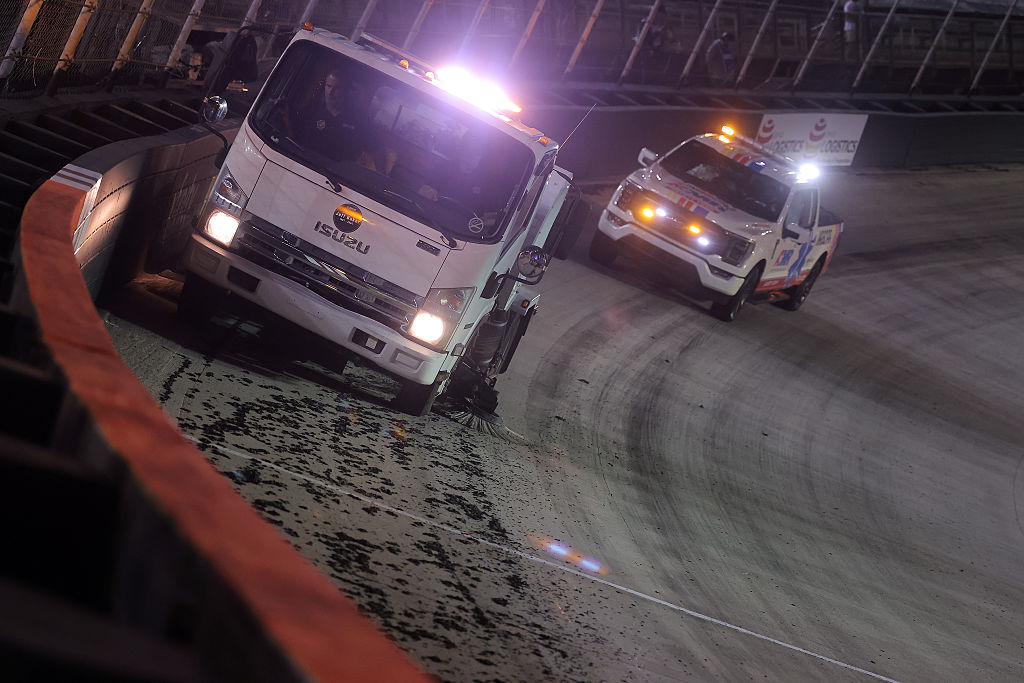
During the race, it quickly became evident that the cooling temperatures were affecting tire behavior. Drivers reported experiencing excessive wear and cording less than 40 laps into the event, resulting in a flurry of green-flag pit stops. The track surface began to accumulate marbles, which are small pieces of tire rubber that can create slick conditions, making it challenging for drivers to maintain grip. This phenomenon mirrored what had occurred during the spring 2024 race, where marbles formed instead of rubber being laid down in the racing groove.
Introduction of New Tire Technology
To address the tire wear concerns, Goodyear introduced a brand new, softer right-side tire specifically for this race at Bristol. This was a strategic move, considering that the right side of the car typically experiences the most wear during competition. According to Goodyear’s pre-race notes, this particular right-side tire would only make one appearance throughout the entire season, highlighting its unique role in this specific race. The left-side tire, however, remained consistent, as it was the same tire that Cup Series teams had utilized in the last four races at Bristol.
The introduction of this new tire was met with mixed feelings from the drivers. While some were optimistic, others were apprehensive, recalling how tire wear had surprised them during the previous race. The lack of strong indications from practice and qualifying sessions regarding potential tire wear issues left many drivers caught off guard.
Driver Reactions to Tire Management Issues
Among the drivers, Josh Berry experienced firsthand the challenges posed by the unexpected tire wear. He faced a premature retirement in the first stage of the race when his car caught fire, likely due to a buildup of tire rubber. Berry expressed his surprise at the rapid decline in tire performance, stating that he had anticipated a more straightforward race. During practice, lap times were consistently in the 15.70s to 15.80s range, leading him to believe that the race would allow for a more aggressive driving style. However, as he noted, once they settled into the 16-second lap times shortly into the race, it became clear that tire wear was going to be a significant factor.
Berry’s experience underscored the unpredictability of racing at Bristol, where the combination of track conditions, weather, and tire performance can dramatically impact the outcome. His comments reflected a common sentiment among drivers—that while they prepare extensively for races, unexpected variables often arise, requiring quick adjustments and strategic thinking.
The Role of Crew Chiefs in Tire Strategy
Crew chiefs play a crucial role in navigating the complexities of tire management during races. With the added tire set and new tire technology, crew chiefs were tasked with developing strategies that would maximize performance while minimizing the risk of tire failure. Communication between drivers and crew chiefs was vital, as they needed to assess tire performance in real-time and make informed decisions about when to pit and how to manage tire wear throughout the race.
As the race unfolded, crew chiefs had to balance the aggressive driving styles of their drivers with the realities of tire performance. The ability to read the track and anticipate changing conditions was essential in ensuring that their teams remained competitive. The experience and insight of crew chiefs became invaluable assets as they guided their drivers through the challenges presented by tire wear.
The Impact of Track Conditions on Racing Dynamics
Bristol Motor Speedway is known for its unique configuration and challenging racing dynamics. The short track, with its high banks and tight corners, requires precision driving and strategic tire management. As the race progressed, drivers found themselves contending not only with tire wear but also with the evolving track conditions. The accumulation of marbles and changing grip levels added an additional layer of complexity to the competition, forcing drivers to adapt their racing lines and strategies on the fly.
The high speeds and close-quarters racing at Bristol often lead to intense battles for position, making tire management even more critical. Drivers needed to find a balance between pushing their cars to the limit and preserving tire life to ensure they could maintain their pace throughout the race. The interplay between tire performance, track conditions, and driver skill became a central theme as the race unfolded.
Historical Context of Tire Challenges in NASCAR
Tire management has long been a central focus in NASCAR, with teams regularly strategizing around tire wear and performance. The challenges faced in the recent Bristol race are part of a broader history of tire-related issues in the sport. Over the years, teams have grappled with various tire compounds, track surfaces, and weather conditions, each presenting its own set of challenges.
The evolution of tire technology has played a significant role in shaping race strategies. Advances in tire design and materials have allowed for improved performance, but they have also introduced new variables that teams must consider. As NASCAR continues to evolve, the relationship between tire management and racing success remains a key area of focus for teams, drivers, and tire manufacturers alike.
Looking Ahead: The Future of Tire Management in NASCAR
As the NASCAR Cup Series continues, the lessons learned from the Bristol race will undoubtedly influence future tire strategies. Teams will analyze data and performance metrics to better understand how to manage tire wear in varying conditions. The ongoing dialogue between teams and tire manufacturers will also play a crucial role in refining tire technology and ensuring that drivers have the tools they need to succeed.
In conclusion, the tire management challenges faced during the recent NASCAR Cup Series race at Bristol Motor Speedway highlight the complexities of racing at this iconic short track. With the introduction of new tire technology and the necessity for strategic planning, teams must navigate a landscape where tire performance can make or break a race. As drivers and crew chiefs work together to adapt to changing conditions, the dynamic nature of NASCAR racing continues to captivate fans and participants alike.
