Haas Team’s Race Strategy at the Mexican Grand Prix: A Missed Podium Opportunity
In a recent interview, Ayao Komatsu, the head of the Haas Formula 1 team, expressed his disappointment regarding Oliver Bearman’s missed opportunity for a podium finish during the Mexican Grand Prix. Despite showcasing the potential to secure a top-three finish, the team’s strategic choices during the race ultimately limited Bearman’s chances. The British driver initially started in ninth position, but thanks to a series of fortunate events in the early laps, he managed to climb to sixth place. However, his race concluded with a fourth-place finish, matching the team’s best historical result achieved by Romain Grosjean in Austria back in 2018.
A Race Full of Possibilities
Komatsu reflected on the race, stating, "A podium was definitely within our reach." The Haas team had been closely monitoring the strategies of other drivers, particularly when Kimi Antonelli and Oscar Piastri made their pit stops. The team anticipated that Max Verstappen would soon be on their tail after these critical moves. Komatsu noted that it was only a matter of time before Verstappen would catch up to Bearman, which ultimately sidelined their hopes of securing a podium.
As the race unfolded, Bearman capitalized on the chaos that ensued during the opening laps, navigating his way up to sixth place early on. The race saw several incidents involving other drivers, and a ten-second penalty handed to Lewis Hamilton allowed Bearman to briefly hold the third position. This unexpected turn of events highlighted the unpredictable nature of Formula 1 racing, where circumstances can change rapidly.
The Performance of the VF-25
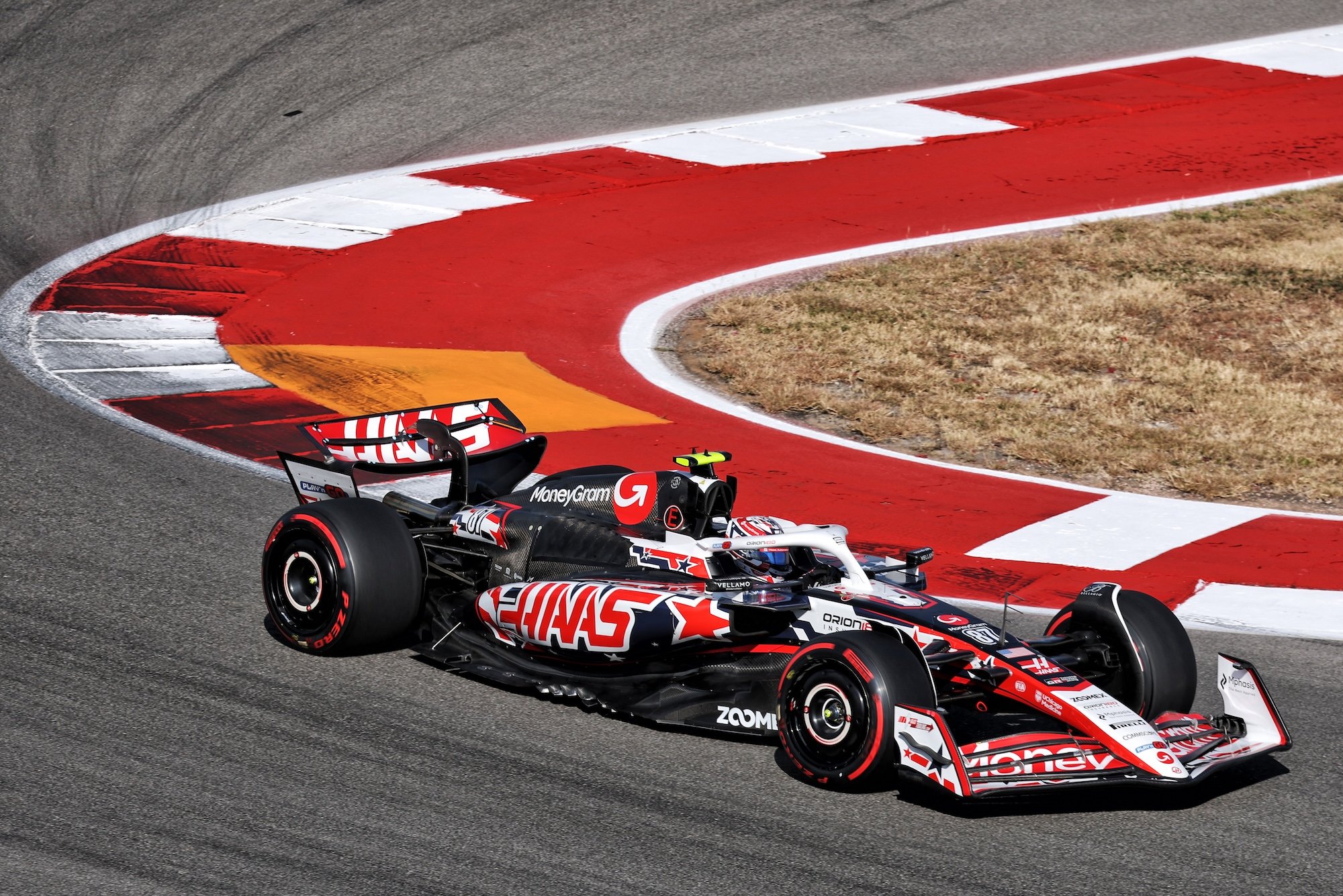
One of the most surprising aspects of the race was the performance of the VF-25 car. Komatsu expressed his astonishment at the car’s speed, remarking, "Our race pace was probably the best of the season." The team had anticipated a tough battle with competitors such as Sauber, Racing Bulls, and Williams. However, witnessing their car momentarily leading against Verstappen was an exhilarating experience for the Haas team.
The pivotal moment of the race occurred on lap 49 when Antonelli and Piastri headed into the pits. The Haas team faced a crucial decision: whether to stick to their original strategy or react to the moves made by their competitors. Ultimately, they opted to call Bearman in for a second pit stop. This decision, while strategic, allowed Verstappen to execute a one-stop strategy, which proved to be advantageous for him.
Strategic Decisions and Their Implications
Komatsu elaborated on the critical nature of their decision-making during the race. "If no one had pitted, with four cars in the DRS train, I believe Max wouldn’t have been able to pass. However, at that moment, we had to consider what was the right move—not just in terms of defending P3. If we had tried too hard to defend that position, we could have ended up losing everything.” This insight into the team’s thought process illustrates the high-stakes environment of Formula 1, where every decision can significantly impact race outcomes.
After the second pit stop, Bearman faced mounting pressure from Piastri but managed to maintain his position, ultimately finishing fourth. Komatsu praised the collective effort of the team, highlighting their efficiency during the pit stops. "It was a tremendous effort. Our second stop coincided with Mercedes, and we executed our fastest pit stop of the season in just 2.1 seconds. It was fantastic teamwork," he added.
The Road Ahead for Haas and Bearman
The fourth-place finish at the Mexican Grand Prix marks a significant achievement for Haas, solidifying their best performance in the 2025 season. This result not only boosts the team’s morale but also serves as a testament to Bearman’s promising start in Formula 1. As a rookie, Bearman has already showcased his talent and potential, and the Haas team seems optimistic about building on this momentum in future races.
Moving forward, the Haas team will undoubtedly analyze the data collected from this race to refine their strategies and improve their performance in upcoming events. The lessons learned from the Mexican Grand Prix will be invaluable as they look to enhance their competitiveness and secure more top finishes.
Conclusion
The Mexican Grand Prix served as a pivotal moment for the Haas F1 team and driver Oliver Bearman, illustrating the dynamic nature of race strategy and the importance of adaptability in the face of changing circumstances. While they missed out on a podium finish, the performance displayed by Bearman and the VF-25 car signals a bright future for Haas in the world of Formula 1. As the season progresses, fans and analysts alike will be watching closely to see how the team builds on this experience and strives for even greater success on the racetrack.
