Haas Team Principal Critiques Pirelli’s Tire Regulations for Qatar Grand Prix
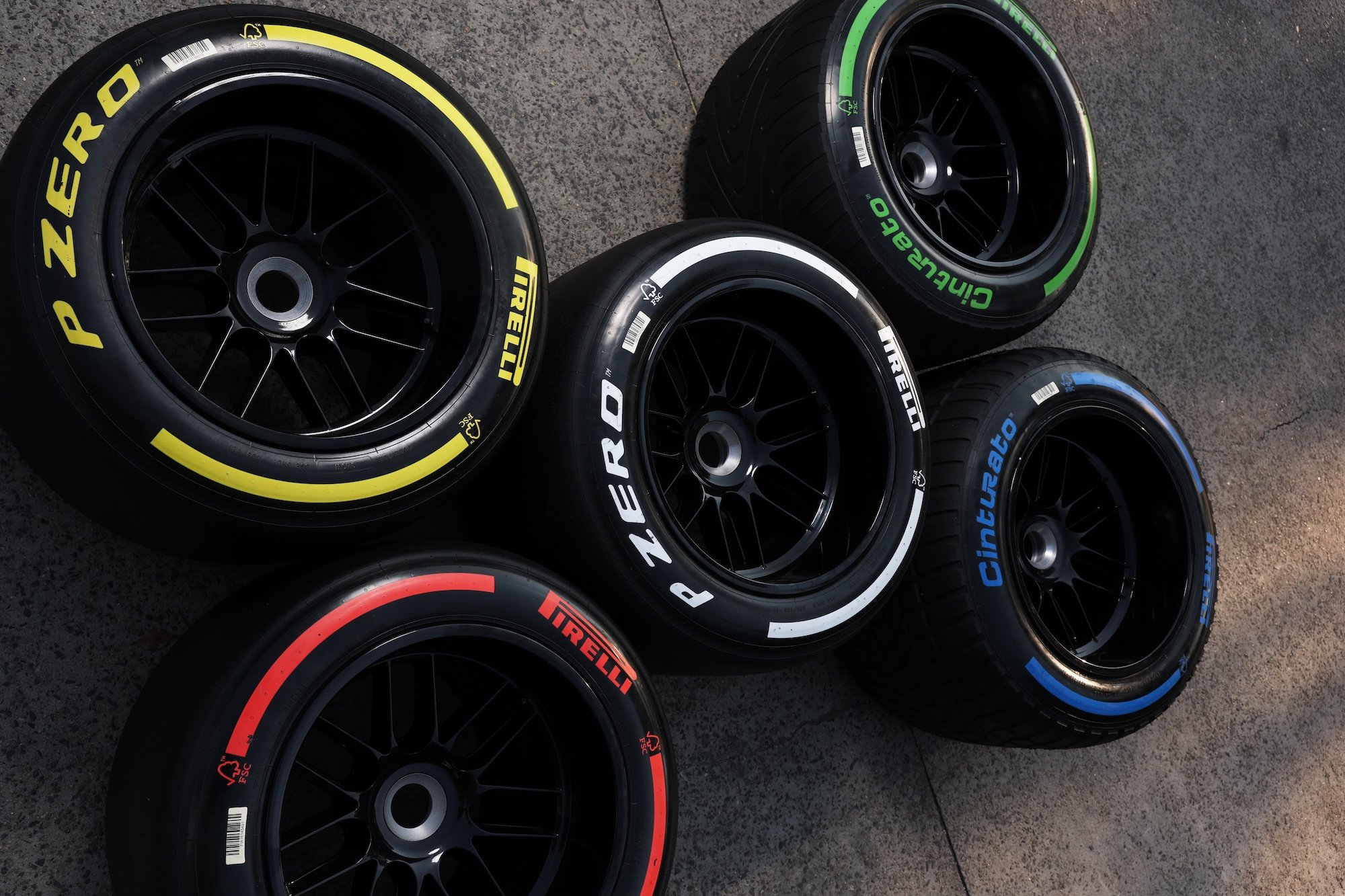
Ayao Komatsu, the principal of the Haas Formula 1 team, has voiced strong objections to the recent tire regulation mandated by Pirelli for the upcoming Qatar Grand Prix. This new rule, which restricts the usage of each tire compound to a maximum of 25 laps, has raised concerns about its potential impact on the race dynamics in Lusail. During a recent discussion in Las Vegas, Komatsu expressed his belief that this regulation could fundamentally alter the nature of the race.
Concerns Over Artificial Limits
Komatsu vehemently criticized what he sees as artificial limits imposed on tire usage, arguing that such restrictions could undermine the competitiveness of the event. He remarked, “I think this will destroy the race,” and emphasized that these types of regulations are not conducive to the spirit of competition in Formula 1. The Haas team principal suggested that Pirelli’s decision stems from their apprehension following last year’s race, which saw significant tire issues that affected performance and strategy.
In reflecting on the past, Komatsu noted, “I don’t agree with these artificial limits, but I can imagine that Pirelli is frightened after last year, right?” He referred to the previous race’s strategy, which allowed for only one pit stop, suggesting that Pirelli’s new rule might be an overreaction aimed at preventing a repeat of that scenario. By limiting the tire compound usage, the regulation effectively eliminates the possibility of executing a one-stop strategy, which Komatsu believes detracts from the essence of racing.
The Impact on Race Strategy
The imposition of such restrictions has sparked a debate about the integrity of race strategy within Formula 1. Komatsu argued that interventions like these should not be part of the sport. “We always talk about avoiding one-stop races, but imposing something artificial, as we saw in Monaco and Qatar in 2024, is going to ruin the race,” he asserted. His comments highlight the ongoing tension between maintaining competitive integrity and ensuring the safety and reliability of tire performance during races.
The Haas team principal stressed that thrilling competitions arise naturally when teams are pushed to the limits of their strategies. He pointed to previous races in Mexico and Brazil as prime examples of how engaging racing can be when teams are allowed to explore various tire strategies without excessive constraints. “The issue isn’t just about one-stop races. Look at Brazil and Mexico. There’s no need to look further to see how exciting races can be when tire performance forces teams to navigate between one or two stops, or two or three,” he explained.
The Role of Pirelli in Formula 1
Pirelli, as the sole tire supplier for Formula 1, plays a critical role in shaping the strategies that teams employ during races. The tire manufacturer is responsible for ensuring that their products can withstand the high demands of racing while providing teams with the necessary performance to compete effectively. However, the recent regulations have raised questions about Pirelli’s approach to tire management and the overall impact on the racing experience.
Komatsu believes that Pirelli should focus on creating tires that encourage diverse strategies rather than imposing restrictions that limit competitive racing. “When multiple strategies are viable, that’s when the race becomes interesting. That’s what Pirelli should strive for,” he noted. The call for more engaging racing experiences aligns with the broader objectives of Formula 1, which seeks to captivate audiences with thrilling performances on the track.
Upcoming Qatar Grand Prix and Its Implications
As the Qatar Grand Prix approaches, the mandatory implementation of the tire rule is expected to be a key talking point. Teams will have to adapt their strategies to comply with the new limitations, which could significantly alter the dynamics of the race. The decision to enforce a maximum of 25 laps per tire compound was made in response to concerns regarding tire wear and damage experienced in previous races at the Lusail circuit.
This regulation is set to challenge teams as they navigate the balance between tire performance and race strategy. With reduced flexibility in tire usage, drivers may find themselves constrained in their decision-making during the race, potentially leading to a less dynamic racing environment. Observers and fans alike are eager to see how this will play out on race day and whether the anticipated changes will lead to a less competitive atmosphere.
The Future of Racing Strategy
The conversation around tire regulations and race strategy highlights a critical crossroads for Formula 1. As teams and drivers adapt to the evolving landscape of racing, the need for regulations that promote excitement and competition remains paramount. The Haas team’s perspective, as articulated by Komatsu, underscores the importance of allowing teams the freedom to explore strategies that make racing captivating.
With the Qatar Grand Prix just around the corner, the implications of Pirelli’s tire limits will be closely examined. Teams will be keen to find ways to optimize their performance within the constraints imposed, and fans will be watching to see if the race delivers the thrilling competition that has become synonymous with Formula 1.
The ongoing dialogue between teams, tire manufacturers, and regulatory bodies is essential for the future of the sport. As the landscape of Formula 1 continues to evolve, ensuring that the spirit of competition thrives remains a central concern for all stakeholders involved. The Haas team’s emphasis on the need for genuine competition over artificial constraints is a sentiment that resonates widely among teams and fans alike.
In conclusion, the upcoming Qatar Grand Prix will not only test the resilience of teams and drivers but also serve as a litmus test for the effectiveness of Pirelli’s tire regulations. As the world of Formula 1 looks to the future, the need for innovation in race strategy and tire performance will be paramount in shaping the next chapter of this exhilarating sport.
