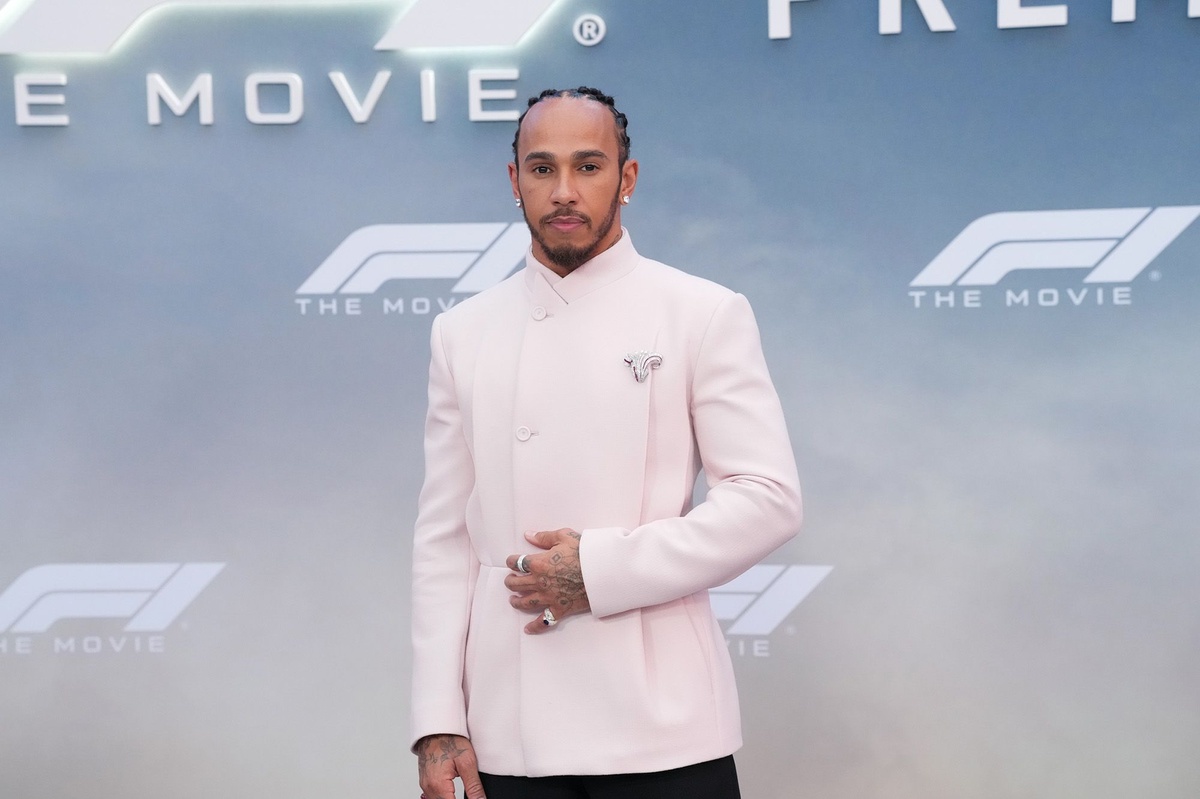
Brad Pitt’s Formula 1 Movie: A New Era for Racing Films in the US
Brad Pitt’s recent foray into the world of motorsport with his Formula 1 film has set a remarkable precedent in the United States. Unlike any other racing film before it, this cinematic venture has transcended the typical niche audience and emerged as a mainstream blockbuster. With a staggering domestic box office gross of approximately $189.5 million and a global tally reaching around $631.5 million, this film has claimed the title of the highest-grossing racing movie worldwide. But how does this film stack up against its predecessors in the racing genre within the US market?
Formula 1’s Dominance in the Racing Film Genre
In the competitive landscape of motorsport films, this new F1 movie has firmly established itself at the top. It outshines other notable racing films in the United States, including the critically acclaimed "Ford v Ferrari," directed by James Mangold. This film, which captivated audiences with its thrilling portrayal of the historic Ford vs. Ferrari rivalry, achieved a commendable domestic gross of $117.6 million. Meanwhile, Ron Howard’s "Rush," which chronicles the fierce competition between Formula 1 legends James Hunt and Niki Lauda, garnered a more modest $26.9 million in the US and Canada.
Despite its impressive performance, the new F1 film faces stiff competition from family-oriented and comedy films. Pixar’s animated classic "Cars" remains the reigning champion in the domestic box office with a remarkable $244.1 million, while its sequel, "Cars 2," also performed well with $191.5 million. In the realm of comedy, Will Ferrell’s NASCAR-themed film "Talladega Nights: The Ballad of Ricky Bobby" has accumulated $148.2 million, and Tom Cruise’s "Days of Thunder" earned a respectable $82.7 million.
A Standout in Live-Action Racing Films
With its impressive figures, the F1 movie has become the third-highest-grossing racing film at the North American box office, trailing only the two "Cars" films. It is noteworthy that this film is the leading live-action entry in the racing genre, showcasing the appeal of real-life motorsport narratives compared to animated stories.
Global Appeal and Higher Earnings
When viewed through a global lens, the F1 film’s success becomes even more pronounced. The international audience has shown a strong interest in Formula 1, which has propelled the film to surpass "Cars 2" in global earnings, making it the top-grossing racing film worldwide. This achievement also places the film among the highest-earning sports movies in history. Furthermore, it marks a career milestone for Brad Pitt, as it has become his highest-grossing film to date.
Box Office Comparisons
To provide a clearer picture of the F1 film’s box office performance, it’s essential to compare it with other notable films in the racing genre. Below is a summary of key films, their respective release years, and their approximate box office earnings in the US and globally:
| Film | Year | US Box Office (approx.) | Global Box Office (approx.) |
|---|---|---|---|
| F1 | 2025 | $189.5 million | $631.5 million |
| Ford v Ferrari | 2019 | $117.6 million | $225.5 million |
| Rush | 2013 | $26.9 million | $98.2 million |
| Cars | 2006 | $244.1 million | $462.0 million |
| Cars 2 | 2011 | $191.5 million | $562.1 million |
| Talladega Nights: The Ballad of Ricky Bobby | 2006 | $148.2 million | $163.4 million |
| Days of Thunder | 1990 | $82.7 million | $157.9 million |
Understanding the Context of Box Office Numbers
It is important to keep in mind that the box office figures mentioned above have not been adjusted for inflation. This lack of adjustment means that older films like "Talladega Nights" and "Days of Thunder" may have potentially performed better in terms of attendance and earnings when considering the economic context of their release periods. Nevertheless, the current numbers still illustrate a significant achievement for the Brad Pitt-led F1 film.
Factors Contributing to the Film’s Success
Several elements have contributed to the success of this film, transforming it into a cultural phenomenon. First and foremost is the star power of Brad Pitt, whose involvement in the project has drawn considerable attention. His established reputation and the anticipation surrounding the film have played a crucial role in attracting audiences.
Additionally, the film’s direction by Joseph Kosinski has garnered praise for its high-octane storytelling and visually stunning cinematography. The racing sequences are crafted to immerse viewers in the exhilarating world of Formula 1, making it an enticing experience for both motorsport enthusiasts and casual moviegoers alike.
Moreover, the film’s marketing strategy has effectively tapped into the growing popularity of Formula 1 in the United States. The sport has seen a surge in interest, particularly with the success of the Netflix series "Drive to Survive," which has brought the thrilling world of F1 racing into the living rooms of millions. This increased visibility has undoubtedly contributed to the film’s box office success.
The Impact of F1’s Growing Popularity
The rise of Formula 1’s popularity in the United States has played a pivotal role in the film’s success. The sport has cultivated a dedicated fan base, spurred by exciting races, charismatic drivers, and the allure of cutting-edge technology. Events like the Miami Grand Prix and the Las Vegas Grand Prix have further fueled interest, demonstrating that Formula 1 is not merely a European-centric phenomenon but a global spectacle.
As more Americans become acquainted with the sport, the film’s narrative resonates with audiences who are eager to learn about the high-stakes world of racing. The combination of compelling storytelling and real-life drama in the film has captured the attention of both die-hard racing fans and those new to the sport.
Conclusion
Brad Pitt’s Formula 1 movie has undoubtedly made a significant impact on the landscape of racing films in the United States. With its impressive box office performance, it has become a mainstream hit, surpassing previous racing titles and solidifying its place in cinematic history. As the popularity of Formula 1 continues to soar, it is likely that this film will pave the way for more racing narratives to reach the big screen, further captivating audiences and expanding the genre’s appeal.
Through its engaging storytelling, high-profile cast, and the growing interest in Formula 1, this film has successfully bridged the gap between motorsport and mainstream cinema, ushering in a new era for racing films in the US.
