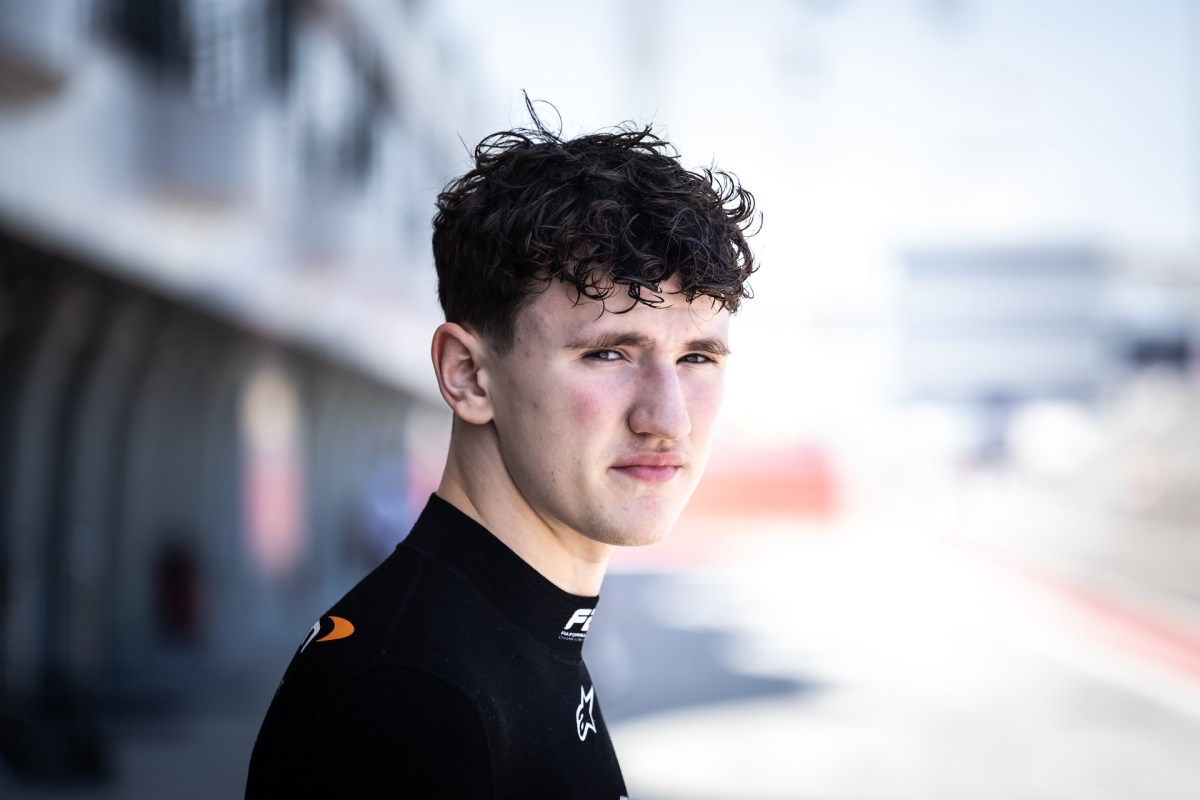
The Rise of Online Abuse in Motorsport: A Deep Dive into Alex Dunne’s Experience
The world of motorsport is filled with thrills, adrenaline, and intense competition. However, it also has a darker side that has become increasingly prominent in recent years—online abuse directed at drivers and teams. This issue came to the forefront following an incident during the Monaco Formula 2 feature race, where Alex Dunne of Rodin Motorsport was involved in a first-lap collision with Victor Martins. The aftermath of this incident has sparked discussions about the responsibilities of fans and the need for a more respectful online environment.
The Monaco Incident: A Closer Look
In a dramatic twist of events during the Monaco feature race, seven drivers, including both Dunne and Martins, were forced to retire after a chaotic first corner. Starting from pole position, Dunne found himself in a tight battle with Martins as they approached Sainte Dévote. In an attempt to reclaim his lead, Dunne made a decisive move to the inside, only to find himself locking wheels with Martins, which resulted in a collision that ended both of their races prematurely.
This incident not only impacted the race standings but also led to a wave of online harassment directed at Dunne. Following the race, he became the target of derogatory comments and abuse on various social media platforms. The emotional toll of such harassment can be significant, especially for young athletes like Dunne, who are navigating the pressures of competitive racing.
The Harsh Reality of Social Media Abuse
In a press conference held shortly after the incident, Dunne bravely shared his experience with the media, discussing the negative impact the online abuse had on his mental well-being. He conveyed the emotional struggles he faced as a result of the vitriol directed toward him, highlighting how such comments can affect not just performance but also personal health.
Dunne’s experience is not isolated. The motorsport community has seen a troubling increase in online harassment, particularly against young and emerging drivers. Social media platforms such as Instagram and X (formerly Twitter) have become breeding grounds for abusive comments, often fueled by the passion and sometimes misplaced frustrations of fans.
The Alpine F1 team recently issued a statement addressing this growing problem, specifically aimed at Jack Doohan, who faced similar harassment after losing his race seat. Such incidents underscore the urgent need for a collective stance against online abuse in motorsport.
A Unified Response from Motorsport Organizations
In a bid to combat the rising tide of online harassment, Formula 1, Formula 2, and Formula 3, along with the FIA, came together to issue a joint statement on June 5, 2025. The statement, part of their "United Against Online Abuse" campaign, condemned all forms of harassment and urged fans to treat athletes and their teams with respect. Although the statement did not reference specific instances, it served as an important reminder of the values that should underpin the motorsport community.
“The message is clear: we stand united against abuse in all its forms,” the statement read. This initiative aims to not only protect the athletes but also promote a healthier interaction between fans and competitors.
Support from Rodin Motorsport
In the wake of the Monaco incident, Rodin Motorsport took proactive measures to support Dunne during this challenging time. Team manager Benn Huntingford emphasized the importance of shielding Dunne from the negative online comments and helping him focus on his racing. The team’s approach involved not letting the incident affect Dunne’s preparation for the next race and ensuring he redirected his energy toward performance rather than the surrounding negativity.
Huntingford commented, “For us, it was about making sure that the focus was on his racing and helping him navigate through the weekend without letting the online noise interfere.” This supportive environment is crucial for young athletes who may not yet have the emotional resilience to handle such public scrutiny.
Overcoming Challenges: Dunne’s Resilience
Despite facing a grid penalty of ten places for the sprint race in Barcelona due to the Monaco incident, Dunne demonstrated remarkable resilience. The Barcelona weekend posed its own challenges, including a summons to the stewards’ office after a collision during free practice. Dunne misjudged the speed of Martins while entering the pits, resulting in another penalty that further compounded his grid position challenges.
Starting from 19th place due to a combined drop of 13 grid spots, Dunne showcased his skill and determination by finishing second in the sprint race. A well-timed safety car on lap 18 allowed him to switch to softer tires, enabling him to capitalize on the situation and race through the field effectively. His ability to adapt to the pressures and challenges of racing is a testament to his potential as a driver.
In the feature race, Dunne continued his impressive performance by finishing fifth from an eighth-place start, securing valuable points and regaining the championship lead. His ability to bounce back from adversity is not only a reflection of his racing talent but also of the support he received from his team and his own mental fortitude.
The Need for Change in Online Behavior
While Dunne’s experience highlights the resilience needed to thrive in competitive motorsport, it also brings to light the urgent need for a cultural shift in the way fans interact with athletes online. The motorsport community must take a stand against harassment and promote a more supportive atmosphere. Changing the discourse on social media is essential for fostering a healthier environment for drivers and fans alike.
Huntingford articulated this sentiment well, stating, “There will always be incidents in racing, but how we manage the conversation around it online is something that needs addressing.” By encouraging respectful dialogue, the motorsport community can create a more positive atmosphere that benefits everyone involved.
Looking Ahead: Dunne’s Upcoming Challenges
As Dunne prepares for the upcoming F2 race at Spielberg, which coincides with the Austrian Grand Prix, he is set to make his Formula 1 free practice debut for McLaren. This momentous occasion marks a significant milestone in his career, as he becomes the first Irish-licensed driver to participate in an F1 session since Ralph Firman in 2003. This opportunity not only underscores his talent but also serves as a reminder of the importance of supporting young drivers as they advance in their careers.
The challenges of racing extend beyond the track, and Dunne’s journey encapsulates the complexities faced by modern athletes. As he continues to navigate the highs and lows of motorsport, the ongoing dialogue about online abuse remains critical. The motorsport community must unite to ensure that young drivers can pursue their dreams without the burden of harassment and negativity.
Conclusion
The story of Alex Dunne serves as a powerful reminder of the dual nature of sports, where the thrill of competition exists alongside the potential for harmful online behavior. As the motorsport community rallies to support its athletes, it becomes increasingly clear that a respectful and supportive environment is essential for the growth and development of young talents. By addressing online abuse and fostering a culture of respect, the motorsport world can ensure that future generations of drivers are able to thrive both on and off the track.
