IndyCar’s New Independent Officiating System: What You Need to Know
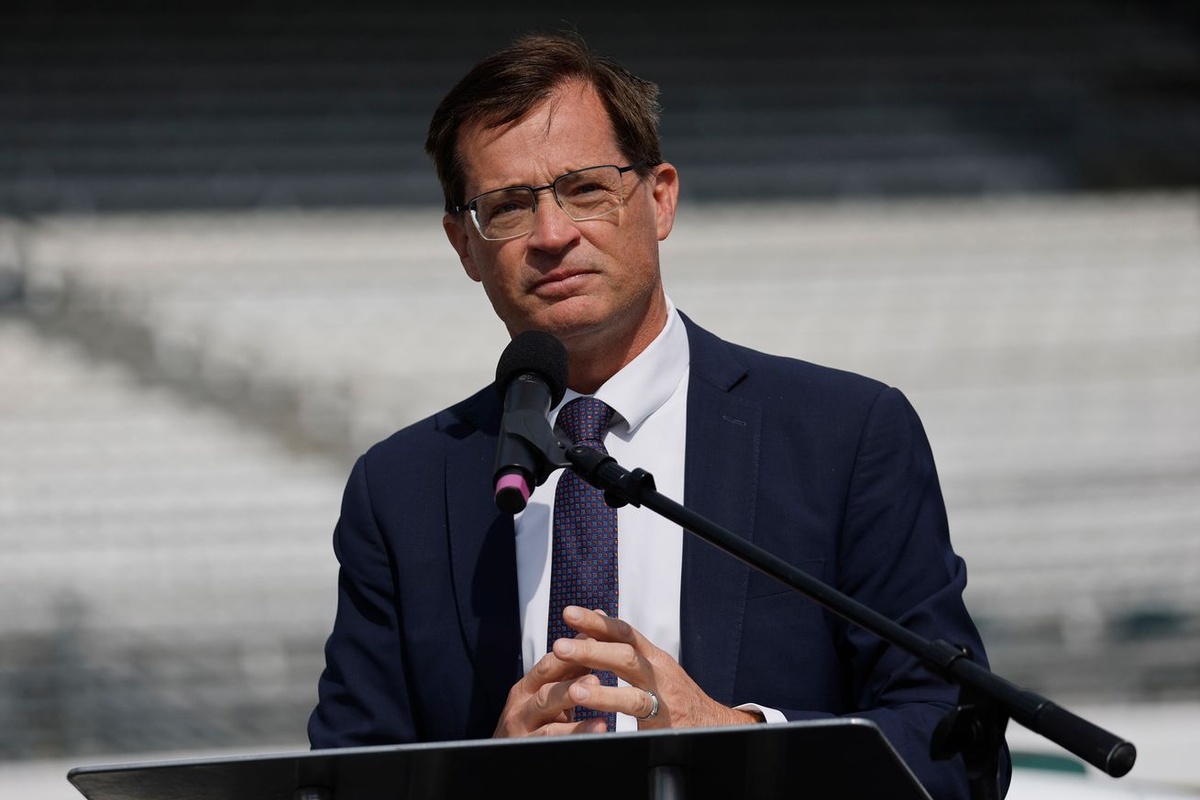
The world of motorsports is constantly evolving, and IndyCar is taking significant steps to enhance its officiating processes. Starting in 2026, a new independent officiating system will be implemented, marking a pivotal moment in how the sport is governed. Doug Boles, the President of IndyCar and the Indianapolis Motor Speedway, has been at the forefront of this transition, providing insights into the structure and intentions behind this major shift.
The Establishment of the Independent Officiating Board
IndyCar recently unveiled its Independent Officiating Board (IBO), a three-member body that will oversee the newly formed INDYCAR Officiating Inc. This non-profit organization is dedicated to ensuring fair competition within the sport and is designed to create a clear separation between the series’ management and its officiating decisions. The members of the IBO were selected through a voting process involving chartered team owners, with motorsports icon Ray Evernham and automotive expert Raj Nair earning their spots via nominations. The third member, Ronan Morgan, was appointed by the FIA, further emphasizing the board’s commitment to maintaining high standards.
In a recent episode of the podcast "Off Track with Hinch & Rossi," co-hosted by James Hinchcliffe and Alexander Rossi, Boles elaborated on the journey leading to the establishment of the IBO. He noted that discussions about the new officiating structure began in May, and throughout the summer, IndyCar engaged with team owners to refine these ideas. This collaboration was crucial, as it allowed for a comprehensive understanding of the needs and concerns of team owners.
Understanding the Role of the Independent Officiating Board
The IBO’s primary function is to govern IndyCar officiating, ensuring that competition remains fair and consistent. Boles highlighted the importance of creating a "firewall" between series ownership and decision-making in officiating. This separation aims to eliminate any potential conflicts of interest and to bolster the integrity of the sport.
During discussions with team owners, it became evident that allowing them to nominate candidates for the IBO was the most effective approach. This democratic process ensured that those who have a stake in the sport had a voice in its governance. Boles emphasized that the nominations underwent thorough vetting to ensure that candidates had no recent ties to teams or series that could compromise their impartiality.
Once the nominations were finalized, team owners participated in a voting process that narrowed down the candidates. Boles noted that while the elected members of the IBO were familiar with one another, they had not convened until a recent phone meeting. With their roles now established, the responsibility shifts to the IBO to further develop the officiating framework.
The Path Forward: Hiring a Managing Director of Officiating
One of the key tasks for the IBO will be to appoint a Managing Director of Officiating (MDO). This individual will play a crucial role in overseeing the competitive aspects of IndyCar, including the implementation of rules and managing race procedures. According to Boles, the MDO will have the autonomy to determine how rules are enforced, where officials are positioned, and how officiating processes are carried out.
The MDO will operate independently of IndyCar, which means that Penske Entertainment will not have direct influence over their decisions. This autonomy is a significant aspect of the new officiating framework, designed to ensure that officiating is conducted with impartiality and professionalism. The IBO will serve as a supervisory body, providing oversight to the MDO and evaluating their performance.
The Role of INDYCAR Officiating Inc.
The creation of INDYCAR Officiating Inc. marks a significant shift in how officiating will be managed within the sport. Boles explained that this organization will function separately from IndyCar and will be responsible for implementing the officiating system. This separation allows for a more focused approach to officiating, as the organization can concentrate solely on maintaining the integrity of competition without interference from the series’ business operations.
The IBO will also play a crucial role in establishing the budget for INDYCAR Officiating Inc. and will be responsible for ensuring that the organization operates efficiently and effectively. By delegating these responsibilities, IndyCar aims to foster a culture of accountability and transparency in officiating.
A Focus on Rule Implementation and Appeals
While the IBO and MDO will oversee officiating, it’s essential to clarify the existing role of IndyCar in the rule-making process. IndyCar will continue to draft the official rulebook, although INDYCAR Officiating Inc. will have the opportunity to recommend changes. This collaborative approach ensures that the sport can adapt and evolve while maintaining a structured governance framework.
In cases where a team faces penalties and wishes to appeal, the process will also be managed by the MDO, with the IBO providing oversight. This delineation of responsibilities is designed to ensure that appeals are handled fairly and transparently, without direct involvement from IndyCar.
Boles emphasized that while IndyCar remains responsible for off-track situations that could impact the sport’s reputation, the day-to-day officiating will be firmly in the hands of the IBO and MDO. This arrangement mirrors some aspects of governance seen in other motorsport organizations, but with a clear distinction regarding the authority of each body.
The Importance of Collaboration and Communication
As IndyCar embarks on this new officiating journey, Boles highlighted the importance of collaboration between the various stakeholders in the sport. He noted that the transition to an independent officiating system is not merely about creating a new structure; it’s about fostering an environment where all parties work together to enhance the sport’s integrity.
The IBO will be tasked with developing effective communication strategies to ensure that team owners, drivers, and fans understand the changes and how they will impact the sport. Clear communication is vital to building trust among stakeholders and ensuring a smooth transition to the new officiating system.
Looking Ahead: The Future of IndyCar Officiating
As IndyCar prepares for the implementation of the independent officiating system in 2026, there is a sense of optimism surrounding the changes. The steps taken to establish the IBO and INDYCAR Officiating Inc. reflect a commitment to upholding the integrity of the sport while also addressing the concerns of team owners and stakeholders.
Boles expressed his excitement about the potential for the new system to improve officiating standards and enhance the overall competitiveness of IndyCar. By empowering an independent body to govern officiating, the series aims to create an environment where fair competition thrives, and drivers can showcase their skills without concerns about bias or favoritism.
The journey toward implementing this new officiating structure is just beginning, and there are still numerous details to work out before the official launch. However, with a clear vision and a dedicated team in place, IndyCar is poised to take a significant step forward in its officiating processes.
In conclusion, the introduction of the Independent Officiating Board and INDYCAR Officiating Inc. marks a transformative moment for IndyCar. By prioritizing transparency, accountability, and collaboration, the series aims to enhance the officiating experience for all involved. As the sport continues to evolve, fans and participants alike can look forward to a more equitable and competitive future in IndyCar racing.
