The Evolving Dynamics of Formula 1: A Shift Towards Competitive Respect
The world of Formula 1 is no stranger to intense rivalries and political maneuvering among teams, but the landscape has shifted significantly in recent years. The 2025 season, culminating in a nail-biting showdown in Abu Dhabi, showcased a marked difference in the atmosphere surrounding team interactions, particularly between Red Bull and their competitors. Unlike the fierce hostility observed in the 2021 season, the paddock environment in 2025 was characterized by a more amicable spirit, even amid the high stakes of a championship-deciding race.
The Changing Atmosphere in F1
In 2021, the rivalry between Red Bull and Mercedes reached a fever pitch, often spilling over into confrontational exchanges. Max Verstappen, the reigning champion, reflected on this shift in atmosphere during the 2025 finale, stating, “Hostile is quite an extreme word. It was just very competitive.” This sentiment underscores the evolution of competitive spirit in Formula 1, where the focus has shifted from antagonism to a more respectful rivalry.
The preceding years were rife with political gamesmanship, particularly between Christian Horner, the former head of Red Bull, and Toto Wolff, the Mercedes team principal. Their exchanges were often laden with tension and veiled jabs, creating a charged atmosphere that defined the championship battles of the time. However, as the 2025 season progressed, this combative tone began to dissolve, especially with the emergence of McLaren as a formidable competitor to Red Bull.
McLaren’s Role in the Evolving Rivalry
The rivalry between Red Bull and McLaren introduced a new dynamic, characterized by playful banter rather than outright hostility. Incidents such as the “flexible wings” controversy and the discussion surrounding tire water regulations led to light-hearted exchanges rather than serious confrontations. McLaren’s CEO, Zak Brown, even responded to these insinuations with humor, showcasing a willingness to engage in friendly competition rather than bitter disputes.
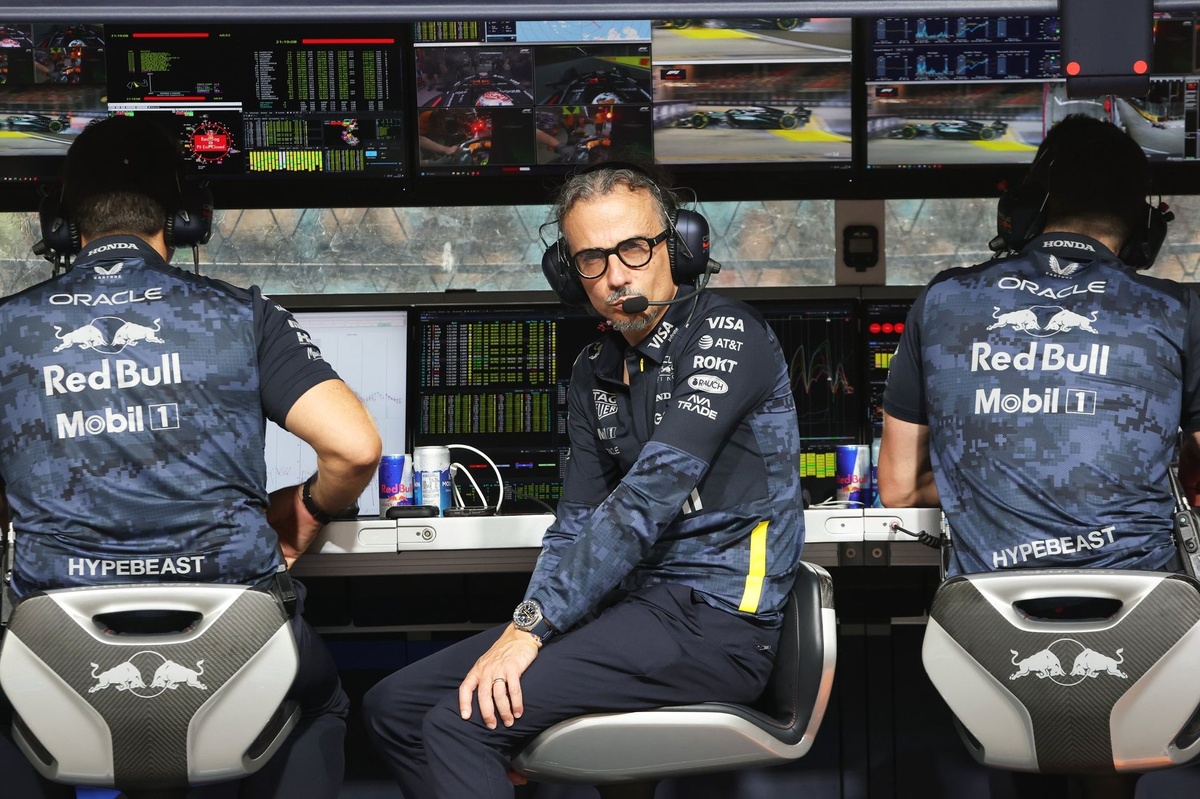
This shift in dynamics was evident during the press conference ahead of the Abu Dhabi Grand Prix, where Brown and Laurent Mekies, who succeeded Horner as Red Bull’s team principal, shared the stage in a surprisingly congenial atmosphere. Their interactions highlighted a new era of collaboration and respect among competitors, a stark contrast to previous seasons marked by intense rivalry.
The Influence of Laurent Mekies
Laurent Mekies, taking over leadership at Red Bull in July 2025, has played a pivotal role in fostering this evolving atmosphere. Despite being at the helm during a critical championship battle, Mekies emphasized the importance of maintaining a competitive yet respectful spirit. He stated, “We push everything to the limit, but we certainly respect the competition.” This approach not only reflects a commitment to fair play but also signifies a departure from the more aggressive tactics that characterized earlier seasons.
Mekies has shifted the internal focus of Red Bull, aiming to cultivate an environment where the team can concentrate on their primary goal: improving their performance on the track. He noted, “We believe that to be competitive here you also need to enjoy what you are doing.” This philosophy aligns with the broader trend within Formula 1, where teams are increasingly recognizing that a positive internal culture can enhance performance.
A Focus on Performance Over Politics
The emphasis on performance rather than political maneuvering is becoming a defining trait of modern Formula 1. Mekies’ engineering background influences his leadership style, leading him to prioritize systematic approaches that directly enhance car performance. By minimizing distractions and focusing on what truly matters—making the cars faster—Red Bull has been able to cultivate a more productive environment.
This shift is not unique to Red Bull; other teams are also experiencing similar transformations. As more engineers step into leadership roles, such as Andrea Stella at McLaren and Ayao Komnatsu at Haas, the focus on technical excellence is overshadowing the need for political gamesmanship. This evolution suggests a maturation of the sport, where the emphasis is placed on racing prowess rather than off-track theatrics.
The Role of Team Principals in Shaping Dynamics
The role of team principals has historically been linked to the public image of teams and the narratives that shape the championship. In the past, some principals embraced a more aggressive persona, engaging in verbal sparring to enhance their team’s brand. However, the 2025 season has seen a notable decline in this type of rhetoric. Wolff himself acknowledged the changing landscape, humorously noting that while F1 might still need its “assholes” for entertainment, the overall tone has shifted toward a more respectful competition.
The increasing technical expertise among team leaders has contributed to this shift. With a focus on engineering and racing strategies, team principals are now more inclined to engage in respectful rivalries rather than petty disputes. This trend signals a broader cultural change within the sport, where collaboration and mutual respect can coexist with fierce competition.
A New Era of Collaboration in Formula 1
As the competitive landscape of Formula 1 continues to evolve, the emphasis on collaboration among teams is becoming more pronounced. The camaraderie displayed during the 2025 season’s finale represents a significant departure from the cutthroat dynamics of the past. The evolving relationships among team principals and their willingness to engage in friendly competition reflect a growing recognition that a united front can elevate the sport as a whole.
This collaborative spirit is not merely about fostering positive relationships; it also has practical implications for the sport. As teams work together, sharing insights and best practices, the overall quality of racing improves. This shift toward collaboration can lead to more exciting races and a more engaging experience for fans, enhancing the appeal of Formula 1.
Looking Ahead: The Future of Formula 1 Rivalries
As we move forward, the question remains: What does the future hold for rivalries in Formula 1? The changes observed in the 2025 season hint at a new chapter in the sport’s narrative, one characterized by mutual respect and a focus on performance. While rivalries will always exist in a competitive environment, the nature of these rivalries may continue to evolve in response to the changing dynamics within the sport.
With team principals increasingly focused on engineering excellence and team cohesion, the potential for growth in the sport is significant. The emphasis on collaboration could lead to a more competitive field, where multiple teams are vying for victory, resulting in thrilling races and unforgettable moments. This evolution promises to enhance the allure of Formula 1, captivating fans and drawing in new audiences.
Conclusion: Embracing Change in Formula 1
The 2025 Formula 1 season stands as a testament to the evolving nature of the sport, where respect and collaboration are becoming integral to the competitive spirit. As teams navigate the challenges of racing, the shift toward a more amicable atmosphere suggests a promising future for Formula 1. By prioritizing performance and fostering positive relationships, the sport can continue to thrive as it captivates audiences around the world.
In this new era, the focus on friendly competition and mutual respect among teams will not only enhance the quality of racing but also contribute to the overall growth of Formula 1. As the sport embraces change, fans can look forward to thrilling races filled with excitement, drama, and a sense of camaraderie that makes Formula 1 truly special.
