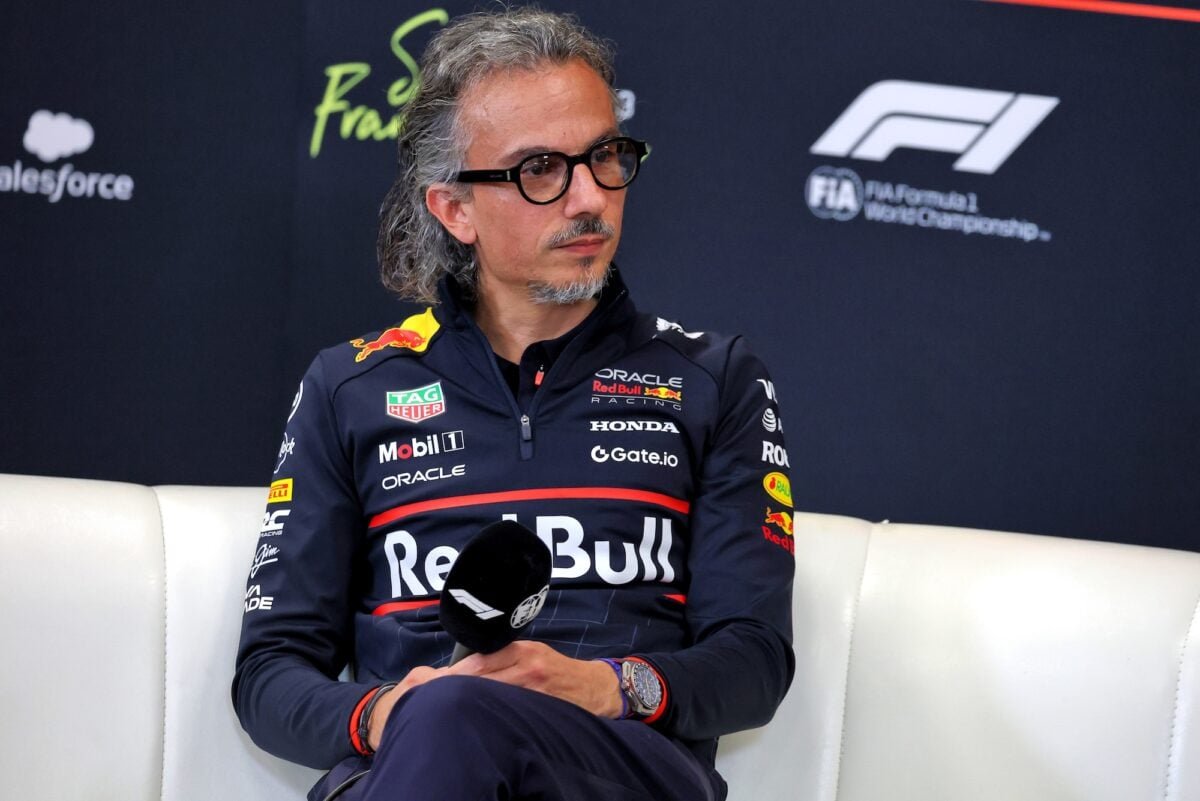
Differences in Leadership: Laurent Mekies’ Transition from Racing Bulls to Red Bull
In recent months, Laurent Mekies has taken the reins at Red Bull Racing, bringing with him a fresh perspective and insights gained from his leadership of the Racing Bulls. This transition highlights significant differences not just in operational structure or available resources, but, more importantly, in the mindset that drives performance at the highest levels of motorsport.
Transitioning from Racing Bulls to Red Bull Racing
Mekies led the secondary team under the Red Bull umbrella, Racing Bulls, from the start of the 2024 season until the British Grand Prix of the same year. Following this, he was appointed to succeed Christian Horner, marking a pivotal moment in his career. In his short time at the helm of Red Bull, Mekies has distilled the essence of his experiences into a straightforward query: "Did you win or not?"
While at Racing Bulls, the primary goal was to accumulate points in the championship standings, a commendable target for a mid-tier team. However, this mindset does not translate to the elite level of Red Bull Racing, where the expectations are considerably higher.
The Pursuit of Maximum Performance
Mekies elaborated on the stark differences in mental approach required at Red Bull Racing compared to his previous role. “I provided this type of answer a few months ago when I was still wearing the colors of Visa Cash App Racing Bulls. It’s easy to underestimate how extreme you need to be with the car, and consequently with the team and the company, when you are pursuing maximum performance,” he explained.
At the pinnacle of motorsport, every fraction of a second counts. Mekies noted that organizations like Red Bull Racing are relentless in their pursuit to maximize every aspect of the car’s performance. This intense focus on detail may yield minimal gains, but it is precisely this dedication that separates top-tier teams from the rest of the grid.
Learning from Every Race
A vivid example of this mindset came during the recent race in Zandvoort, where Red Bull managed to secure a second-place finish. Mekies acknowledged that while they benefited from external circumstances, particularly regarding Lando Norris’s misfortunes, the focus remains on the team’s performance. “We achieved that P2 in Zandvoort. We were lucky, or rather, Lando (Norris) was unlucky with what happened there. But that’s the only question you ask yourself on Monday morning: what did we lack?” he stated.
This mentality of continuous improvement and reflection is what distinguishes leading teams from their competitors. Until teams reach absolute performance, the underlying sentiment is that there is always more to be done.
Emphasizing Team Dynamics
One of the crucial elements that Mekies has embraced in his new role is the importance of team dynamics. He understands that success in Formula 1 is not solely about the car’s capabilities but also hinges on the collaboration and synergy among team members. Fostering a culture where every individual feels valued and motivated can significantly impact overall team performance.
Building a High-Performance Team
Mekies has been actively working to align the team’s vision with the core values of Red Bull Racing. This involves creating an environment where innovation thrives and team members are encouraged to challenge the status quo. He believes that empowering individuals to take ownership of their roles leads to more effective problem-solving and drives the team towards achieving its goals.
The Role of Technology in Performance
Another significant element in the shift from Racing Bulls to Red Bull Racing is the role of technology in achieving competitive advantages. Mekies has emphasized the importance of leveraging cutting-edge technology to refine car performance continuously.
Data-Driven Decisions
In modern motorsport, data analytics play a crucial role in decision-making processes. Mekies highlighted the necessity of utilizing data to inform strategies, whether it’s for race setups, tire choices, or pit stop strategies. By analyzing performance data, teams can make informed decisions that enhance their chances of success on race day.
Adapting to Challenges
Mekies also recognizes the need for adaptability in the fast-paced environment of Formula 1. The ability to pivot strategies in response to changing conditions or unexpected challenges is vital for maintaining a competitive edge. This agility is a hallmark of successful teams and is something Mekies is keen to instill within the Red Bull Racing framework.
Embracing Change
Through his leadership, Mekies aims to cultivate a mindset that embraces change rather than fears it. In a sport where variables can shift dramatically from one race to another, cultivating a culture that is open to experimentation and change is crucial. This approach not only enhances resilience but also positions the team to capitalize on emerging opportunities.
The Importance of Competition
Mekies understands the significance of healthy competition within the team. While collaboration is essential, fostering a competitive spirit among team members can lead to greater innovation and performance. This balance is critical in ensuring that while everyone works towards a common goal, individuals are also motivated to push their limits.
Striving for Excellence
By encouraging a competitive atmosphere, Mekies reinforces the notion that every person within the team is responsible for contributing to the overall success. This collective drive for excellence is what propels teams like Red Bull Racing to the forefront of Formula 1.
Fostering Relationships with Partners
In addition to internal dynamics, Mekies recognizes the importance of maintaining strong relationships with partners and sponsors. These relationships are vital for securing the resources and support necessary to pursue high-performance goals.
Collaborative Partnerships
Effective partnerships can lead to shared innovations that enhance car performance and overall team efficiency. Mekies has prioritized building and nurturing these connections, understanding that collaboration extends beyond the team itself.
Conclusion: A New Era for Red Bull Racing
In summary, Laurent Mekies’ transition to the leadership of Red Bull Racing marks a significant shift not only in management style but also in the underlying philosophy that drives the team. By emphasizing the importance of performance, adaptability, and a competitive spirit, Mekies is poised to lead Red Bull into a new era of success in the world of Formula 1. His experiences and insights from his previous role with Racing Bulls will undoubtedly influence his approach as he navigates the challenges and opportunities that lie ahead for the team.
In this competitive landscape, the focus on continuous improvement and a relentless pursuit of excellence will remain at the core of Red Bull Racing’s strategy under Mekies’ leadership, ensuring that the team remains a formidable force on the racetrack.
