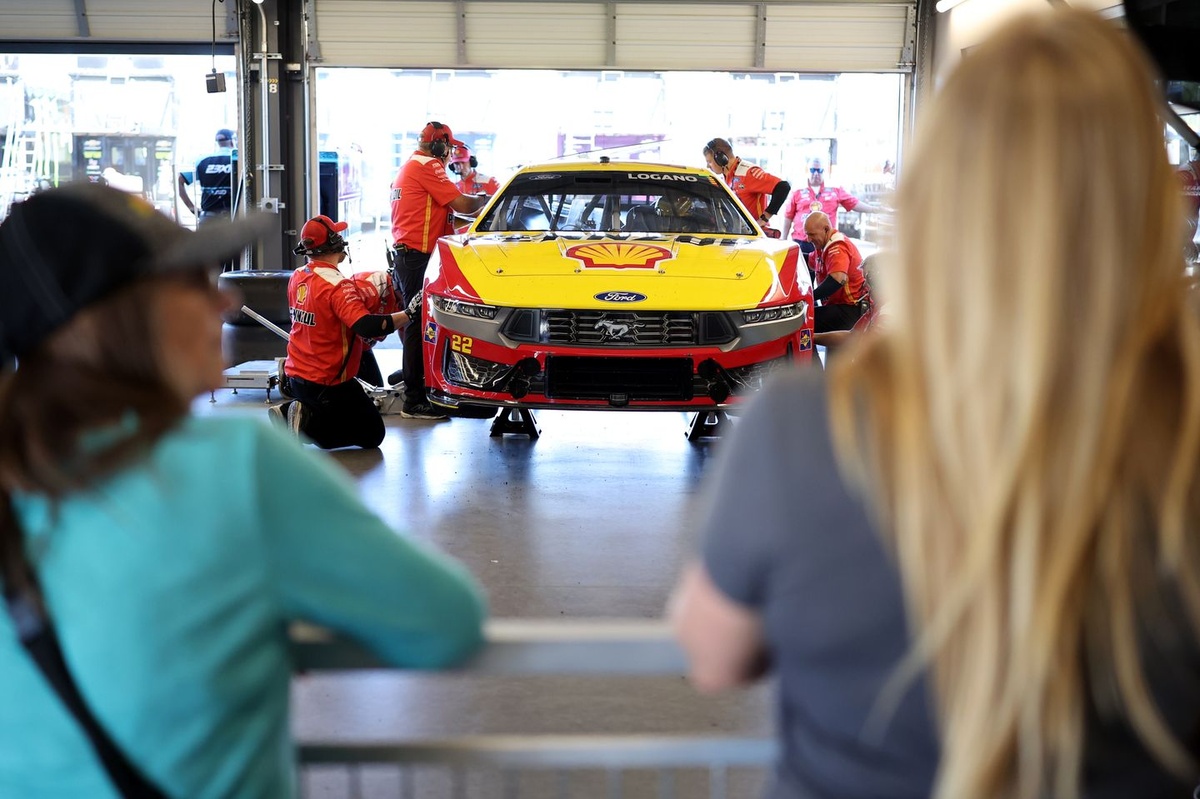
The Evolution of NASCAR’s NextGen Cars: Challenges and Opportunities
The NASCAR Cup Series has experienced a significant transformation with the introduction of the NextGen car, designed to level the playing field among teams. However, this shift towards a standardization of vehicles has raised concerns within the racing community about the potential drawbacks of spec racing. Chase Elliott, a prominent driver for Hendrick Motorsports, has been vocal about the challenges that come with this new era, particularly regarding the difficulty of overtaking and the increasing uniformity among teams.
The Challenge of Spec Racing
Chase Elliott has been at the forefront of discussions surrounding the implications of spec racing, emphasizing that as cars become more alike, the competition can become less dynamic. "The tighter rule book keeps teams confined, which makes passing more difficult," Elliott remarked. As the cars share more similarities, they tend to operate at closely matched speeds, leading to races that can feel procedural rather than competitive, especially on tracks with limited racing grooves.
Elliott pointed out that the problem of limited overtaking is exacerbated when the racing line becomes rubbered in during the latter stages of the race. "When you’re trying to make a move on someone who is already in the optimal lane, it becomes a real challenge," he stated. This observation highlights a broader trend in motorsports: as teams become more adept at tuning their vehicles for performance, the margin for differentiation narrows.
The Changing Landscape of NASCAR
As the NextGen era has unfolded over the past four years, the competitive landscape of NASCAR has shifted. With a focus on parity, the series has seen the emergence of a hierarchy among teams. However, this has come at the cost of excitement on the track, as overtaking opportunities dwindle. "The more we become the same, the harder it is to stand out," Elliott explained. This sentiment resonates with many in the racing community who yearn for the days when innovation and creativity could lead to significant performance differences among teams.
Despite these challenges, Elliott remains committed to the sport and acknowledges the necessity of adapting to the current landscape. "We have to learn to appreciate the challenges we face today," he said, recognizing that the nature of competition in NASCAR is evolving. "It’s likely that these challenges will continue to change over time."
NASCAR’s Response to Competition Concerns
In light of these challenges, NASCAR officials are considering potential adjustments to the NextGen car to foster a more competitive environment. Steve O’Donnell, the league’s president, expressed openness to change during a recent interview. He acknowledged the importance of maintaining cost controls while also seeking ways to enhance the racing experience. "We need to find what fans really like about the sport and how we can incorporate that into the car’s design," O’Donnell stated.
One potential avenue for improvement involves allowing teams greater freedom to modify their vehicles. O’Donnell mentioned the idea of reintroducing certain elements of customization, which could lead to a more exciting racing dynamic. "We want to encourage teams to innovate again," he said, suggesting the introduction of a cost cap that would enable teams to experiment with their cars while keeping expenses in check.
The Drivers’ Perspectives
While many drivers are intrigued by the prospect of increased customization, they also express uncertainty about how these changes would manifest. Chase Elliott admitted that it’s difficult to speculate on the specifics of what NASCAR might implement. Similarly, Brad Keselowski echoed this sentiment, emphasizing the challenges of providing feedback without knowing the details of proposed changes.
Crew chiefs also weighed in on the conversation, with Adam Stevens, the crew chief for Christopher Bell at Joe Gibbs Racing, expressing enthusiasm for the idea of opening up certain areas of the car for innovation. "Having the ability to work on the car beyond just the basic parameters creates competition," Stevens said. He reminisced about a time when engineers could tinker with various aspects of the vehicle, leading to diverse performance levels among competitors.
Chris Gayle, crew chief for Denny Hamlin’s No. 11 team, shared a similar perspective, highlighting the need to explore underbody components and other areas for potential modifications. "There are opportunities to create more excitement without incurring significant costs," Gayle noted, emphasizing the importance of allowing teams to innovate.
The Desire for Innovation
Rudy Fugle, the crew chief for William Byron at Hendrick Motorsports, echoed the call for more freedom in vehicle modifications. He expressed a desire to see adjustments that wouldn’t require excessive financial investment but would inspire teams to push the envelope in terms of performance. "There are definitely areas where we could open things up without drastically changing costs, and that would invigorate the teams," Fugle stated.
The longing for the days of innovation is a common theme among crew chiefs. Paul Wolfe, crew chief for the Team Penske No. 22 team, noted that changes in the rulebook could create opportunities for teams to discover new advantages. "Competition thrives on change," Wolfe said. "When the rules evolve, it encourages teams to find speed in new ways."
The Future of NASCAR Racing
As the NextGen era continues to unfold, the challenges and opportunities for the NASCAR Cup Series remain dynamic. The discussions among drivers, crew chiefs, and NASCAR officials underscore the importance of balancing standardization with the need for innovation. While the current environment may present obstacles, the collective desire for excitement and competition remains strong.
The future of NASCAR racing will depend on the ability of teams to adapt to new regulations while still finding ways to stand out. The potential for changes to the NextGen car could pave the way for a more thrilling and diverse racing experience, capturing the attention of fans and reinvigorating the sport.
In conclusion, as NASCAR navigates the complexities of the NextGen car era, the conversations surrounding competition, innovation, and driver experiences will play a crucial role in shaping the future of the series. The willingness to consider changes and embrace new ideas will be key to ensuring that NASCAR remains a vibrant and engaging motorsport for fans and competitors alike.
