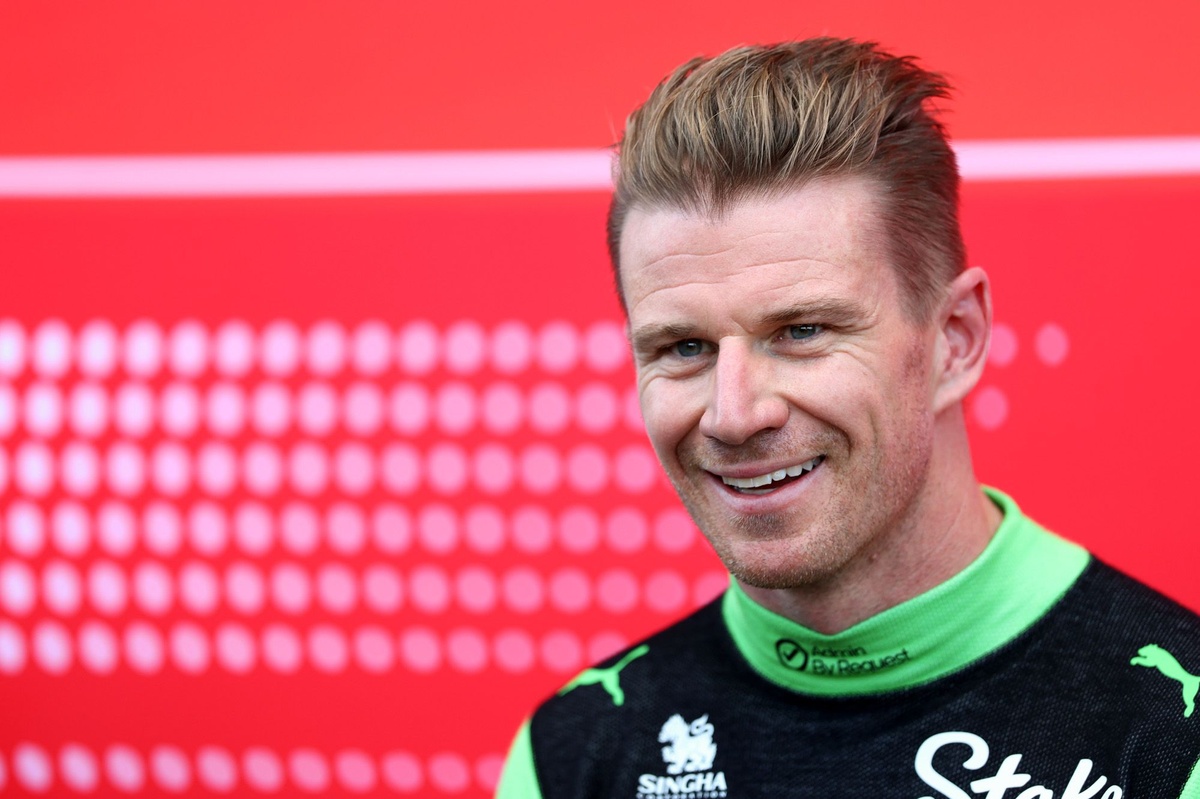
Nico Hulkenberg Responds to McLaren’s Zak Brown After U.S. Grand Prix Incident
In the world of Formula 1, where split-second decisions can make or break a race, the recent events during the United States Grand Prix sprint race have sparked considerable discussion. Sauber Formula 1 driver Nico Hulkenberg recently addressed comments made by McLaren Racing CEO Zak Brown following a first-lap collision that involved both McLaren drivers, Oscar Piastri and Lando Norris, and himself.
Background of the Incident
The incident unfolded during the initial lap of the sprint race, where Hulkenberg found himself in a collision with the two McLaren racers. The stewards ultimately classified the crash as a racing incident, meaning that no particular driver was deemed wholly at fault. However, Brown initially expressed his frustration by placing the blame on Hulkenberg, describing the situation as "amateur hour driving."
In an interview with Sky Sports F1, Brown emphasized his dissatisfaction with the events, asserting, "That was terrible. Neither of our drivers is to blame there. Some amateur hour driving. Some drivers up there at the front whacked our two guys." His comments suggested that he felt Hulkenberg’s actions were unwarranted and that he had no business being in that position on the track.
Brown’s Change of Heart
After reflecting on the situation and reviewing the footage of the incident, Brown seemed to have a change of perspective. He later stated, "I’ve reviewed it, and I think I’ve changed my view. I can’t really put that on Nico." Brown acknowledged the chaos of Turn 1 during the race, which contributed to his initial reaction. He recognized that in the heat of the moment, his assessment was influenced by frustration rather than a clear analysis of the incident.
Hulkenberg’s Reaction to the Crash
Following the race, Hulkenberg took the opportunity to address the incident and Brown’s comments during a media briefing in Austin. He explained his perspective on the collision, stating, "Yeah, no, I didn’t [have anywhere to go]. We were all obviously racing." He noted that Fernando Alonso was attempting to take the inside line, which created a complex situation for him.
Hulkenberg described Alonso’s maneuver as somewhat unexpected, indicating that he was not fully aware of Alonso’s position. "He was in a blind spot at that moment, so I wanted to leave some space for him. And then Oscar turned in very suddenly and aggressively," Hulkenberg recounted. His intention was to regain control for a better exit, but the unfortunate circumstances of the incident made it impossible for him to avoid the crash.
Agreement with Brown
When informed that Brown had reconsidered his initial stance on the incident, Hulkenberg expressed relief, stating, "Good. So we’re all in agreement then." Despite the consensus, he expressed his disappointment over the situation. "Still frustrating and disappointing, because the car was strong and if we had kept it there, we would have scored points. I’m pretty confident and sure about that, but yeah, would have, could have, should have."
His comments reflect the competitive spirit of Formula 1 drivers, where every point counts, and missed opportunities can haunt them throughout the season. Hulkenberg’s performance leading up to the crash had him starting from fourth in the sprint race, indicating the potential for a strong finish had the incident not occurred.
Race Recovery
Despite the setback of the crash, Hulkenberg showcased his determination by recovering to finish 13th in the sprint race. This ability to bounce back after adversity is a hallmark of a seasoned driver. His experience in the sport has equipped him with the skills necessary to navigate challenging situations, even in the face of setbacks.
As the race concluded, the implications of the crash extended beyond the immediate results. The incident served as a reminder of the unpredictable nature of racing, where every lap can bring new challenges, and where driver interactions can lead to unforeseen consequences.
Insights from the Incident
The exchange between Hulkenberg and Brown highlights the tension that can arise in the high-stakes environment of Formula 1. On one hand, team principals like Brown are under immense pressure to protect their drivers and ensure competitive performance. On the other hand, drivers like Hulkenberg must navigate the complexities of racing while managing external expectations and pressures.
The incident also underscores the importance of communication and understanding within the sport. Misjudgments can lead to detrimental outcomes, not only for the drivers involved but also for their respective teams. As the season progresses, it will be crucial for teams to foster a culture of collaboration and open dialogue to mitigate misunderstandings that can arise from on-track incidents.
Conclusion
In the fast-paced world of Formula 1, every race tells a story filled with drama, excitement, and sometimes conflict. The U.S. Grand Prix sprint race incident involving Nico Hulkenberg and the McLaren drivers serves as a case study in the challenges faced by drivers and teams alike. As fans and analysts reflect on the events, it is clear that racing is as much about strategy and skill as it is about managing relationships and perceptions within the sport.
As the season continues, all eyes will be on how Hulkenberg and his Sauber team respond to the challenges ahead, learning from their experiences and striving for success on the track. The competitive spirit of Formula 1 ensures that every race is an opportunity for redemption, growth, and ultimately, triumph.
