The Financial Consequences of Rivalry: Nico Rosberg’s Experience with Lewis Hamilton
In the world of Formula 1, fierce competition among teammates can lead to extraordinary achievements, but it also carries significant risks, both on and off the track. A striking example of this is the experience shared by Nico Rosberg, the 2016 Formula 1 champion, and his former teammate, Lewis Hamilton. Their rivalry not only defined their careers but also had financial implications that they had to contend with after a dramatic incident during the Spanish Grand Prix in 2016.
The Context of the 2016 Season
The 2016 Formula 1 season was a hallmark of intense competition, especially between Rosberg and Hamilton. Both drivers were vying for the championship, making every race a critical battleground. The stakes were higher than ever, as Mercedes dominated the sport, and the internal rivalry between their two star drivers added an extra layer of tension. To manage this fierce competition and minimize the likelihood of collisions, Mercedes team principal Toto Wolff took a proactive approach to the contracts of both drivers.
Contractual Obligations
Wolff’s foresight led to a unique clause in their contracts that stipulated if either driver were to collide during a race, they would share the financial burden equally. This unusual arrangement was designed to encourage both drivers to race hard but also to exercise caution, knowing that the consequences of a crash would be a shared responsibility. The idea was to promote a spirit of camaraderie while maintaining the competitive edge that both Rosberg and Hamilton brought to the track.
The Turning Point: Spanish Grand Prix Incident
The tension of the season came to a head during the Spanish Grand Prix, held in Barcelona. In a dramatic turn of events, both Rosberg and Hamilton found themselves involved in a collision on the very first lap. Rosberg had successfully overtaken Hamilton at the first corner, prompting Hamilton to attempt to reclaim his position. In a bid to defend his ground, Rosberg inadvertently forced Hamilton onto the grass, leading to a loss of control and ultimately resulting in a spin.
The aftermath of this incident was catastrophic for both drivers and their team. The collision not only ended their race prematurely but also raised questions about team dynamics and the nature of their rivalry. The incident was a stark reminder of how quickly competitive tensions could escalate into costly accidents.
The Financial Ramifications of the Crash
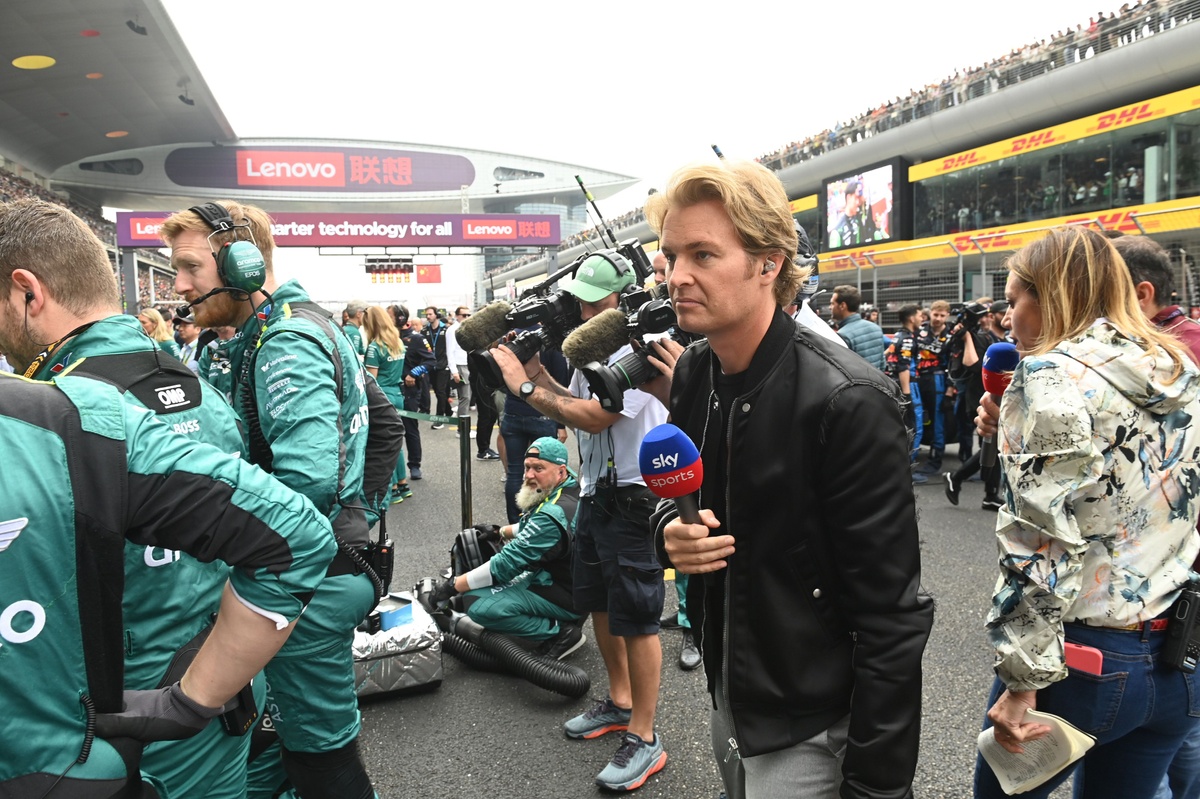
In the aftermath of the crash, Rosberg revealed the financial implications that arose from their contractual agreement. Speaking to Sky Sports F1, he disclosed that both he and Hamilton had to share the costs associated with the crash. Rosberg’s portion of the bill amounted to an astonishing €360,000, bringing the total cost of the incident to a staggering €720,000. This revelation highlighted not only the financial burden that such a rivalry could impose but also the personal stakes involved for both drivers.
Rosberg reflected on the painful experience of having to shoulder such a heavy financial burden, stating, “That was painful.” This sentiment resonates with many athletes who understand that the pressures of competition extend beyond just performance on the track; they also encompass financial implications that can be equally daunting.
Comparisons with Current Drivers: Lando Norris and Oscar Piastri
Fast forward to the present, and the dynamics of competition within teams remain as intense as ever. In 2025, McLaren’s drivers, Lando Norris and Oscar Piastri, found themselves in a similar situation as Rosberg and Hamilton. Both drivers were in contention for the championship, and McLaren allowed them the freedom to race against one another. However, the team imposed a crucial guideline: they were not to collide under any circumstances.
Norris’s eventual triumph in the championship and Piastri’s commendable third-place finish serve as a testament to the effectiveness of this approach. The two drivers managed to maintain a competitive spirit while avoiding any major incidents, showcasing a level of maturity in handling the pressures of racing.
The Modern Formula 1 Landscape
As the sport evolves, so too does the nature of competition among teammates. The relationships between drivers have become more complex, influenced by media scrutiny, fan expectations, and team dynamics. The financial stakes have also grown, with sponsorship deals, prize money, and personal endorsements intertwining with on-track performance. This environment creates a unique set of challenges for drivers and teams alike.
The Role of Team Dynamics in Performance
Understanding the dynamics of a team is crucial in Formula 1, where collaboration can be just as important as competition. Team principals, engineers, and drivers must work closely to optimize performance while navigating the intricacies of interpersonal relationships. The Rosberg-Hamilton rivalry is a prime example of how such dynamics can shift from collaboration to contention, leading to significant consequences.
When drivers feel the pressure of competition, it can lead to aggressive tactics on the track, as seen in numerous instances throughout the history of Formula 1. However, effective communication and mutual respect can help mitigate these tensions, allowing teams to harness the strengths of each driver without falling into the trap of costly collisions.
The Evolution of Driver Relationships
As newer generations of drivers enter the sport, their relationships with one another are influenced by the lessons learned from past rivalries. Today’s drivers, including Norris and Piastri, appear to approach competition with a more collaborative mindset, even while fiercely competing for titles. This shift could be attributed to the increasing emphasis on teamwork and the recognition that working together can lead to greater overall success for both individuals and the team.
Financial Implications of Modern Racing
In modern Formula 1, the financial implications of racing go beyond just contractual obligations. Sponsorship deals can be lucrative, and drivers often find themselves in the spotlight, attracting significant attention that can lead to additional revenue streams. Winning races and championships can enhance a driver’s marketability and increase their earning potential through endorsements and personal appearances.
However, the costs associated with racing, including repairs, damages, and potential penalties, remain a constant concern. Teams must carefully consider these factors when formulating their strategies for both the short and long term. The balance between risk and reward is delicate, and drivers must navigate this landscape with both skill and foresight.
The Future of Team Rivalries in Formula 1
As we look ahead to the future of Formula 1, the nature of team rivalries will likely continue to evolve. With advancements in technology, changes in regulations, and the introduction of new talent, the competitive landscape is always shifting. While the essence of rivalry will remain a fundamental aspect of the sport, how drivers approach their relationships with teammates may become increasingly nuanced.
The experiences of drivers like Rosberg and Hamilton serve as valuable lessons for those who follow in their footsteps. As the sport continues to grow, the balance between competition and collaboration will be vital for success. Teams must foster an environment where drivers can thrive individually while still supporting one another in their shared pursuit of victory.
In conclusion, the financial consequences of rivalry in Formula 1 underscore the complexities of competition within a high-stakes environment. From the lessons learned by Nico Rosberg and Lewis Hamilton to the evolving dynamics of modern racing, it is clear that the interplay between rivalry, teamwork, and financial responsibility will remain a key focus for drivers and teams alike. The legacy of these experiences will undoubtedly shape the future of the sport, influencing how drivers approach their relationships with one another and the challenges they face on and off the track.
