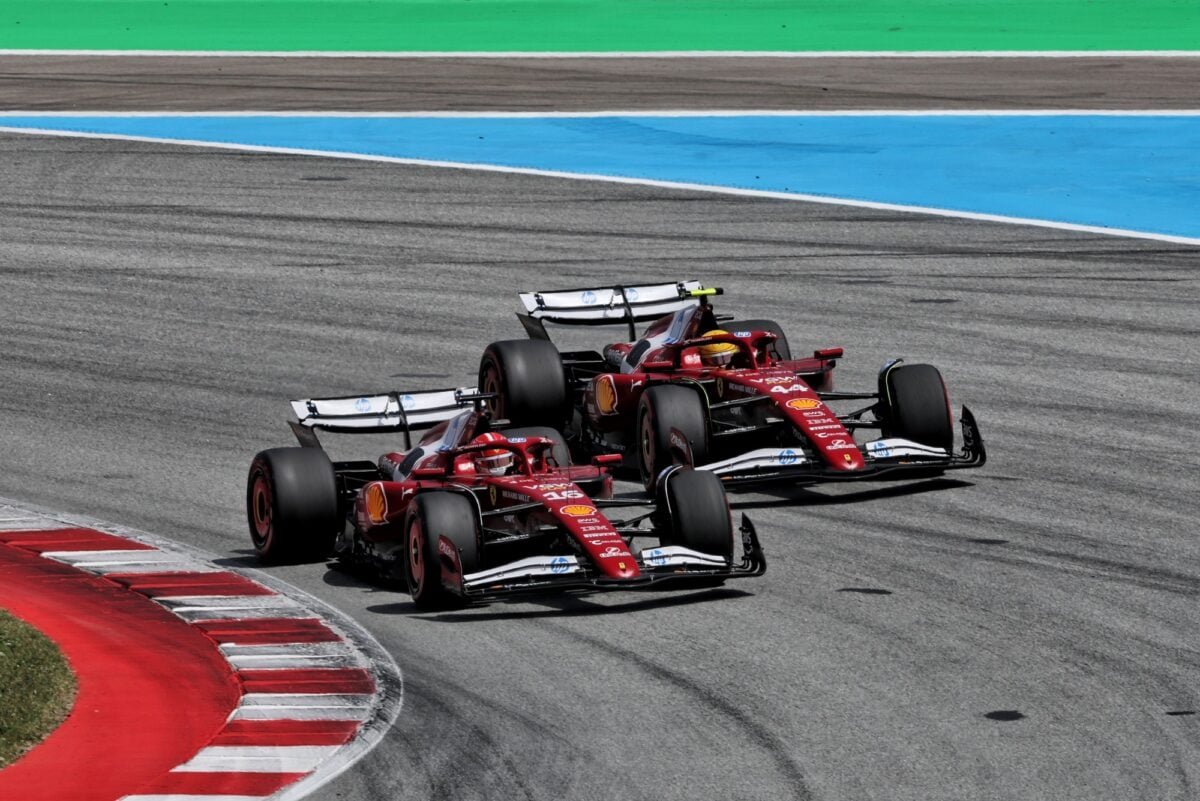
The Future of Ferrari in Formula 1: Insights from Riccardo Patrese
In the high-octane world of Formula 1, the performance of a team can fluctuate dramatically from season to season. One team that has faced significant challenges in recent times is Ferrari. As the 2025 season came to a close, former F1 driver Riccardo Patrese shared his thoughts on the pressing need for a strong technical leadership within the Scuderia. His insights shed light on the team’s struggles and the fundamental changes that may be required to regain their competitive edge.
The Challenges of the 2025 Season
Ferrari’s 2025 season was one marred by difficulties, culminating in a disappointing finish with no victories in Grand Prix races and securing only fourth place in the Constructors’ Championship. This season’s performance has raised critical questions about the team’s management and strategic direction. In a recent interview, Patrese pointed out that the current team principal, Fred Vasseur, may not be adequately equipped to lead the team through these turbulent times.
Patrese’s critique centers around Vasseur’s perceived inability to respond swiftly to challenges. He emphasized that in the fast-paced environment of Formula 1, timely decision-making is crucial. “Vasseur seems to struggle with reacting quickly to adversity,” Patrese noted. This sentiment resonates not only within the team but also among fans who expect Ferrari to be a frontrunner in the sport.
The Role of Team Leadership
A pivotal aspect of a successful Formula 1 team lies in its leadership. Patrese underscored the importance of having a cohesive and dynamic team atmosphere, stating, “Creating a united working group is essential, and that’s the job of the team principal.” This highlights the broader principle that effective leadership can significantly influence the performance of any organization, including those in high-stakes sports like F1.
The former driver pointed out that despite Vasseur’s dedication and tenure with Ferrari since January 2023, the expected results have not materialized. The 2025 season revealed glaring gaps in team management, prompting the need for introspection and potential restructuring within the organization.
A Call for Strong Technical Leadership
Patrese’s suggestions for Ferrari’s future strategy emphasize the necessity of robust technical leadership. He specifically referenced Ross Brawn, a figure synonymous with success in the sport, noting that Brawn played a crucial role in the triumph of the Brawn GP team. “Ferrari needs a strong technical leader, like Ross Brawn,” he asserted, suggesting that the team should seek out individuals with similar qualities to facilitate a turnaround.
This perspective raises an interesting point about the culture of leadership within Ferrari. The team has a rich history and a legacy of excellence, yet recent seasons have seen a departure from that standard. Patrese’s comparison to Brawn suggests that Ferrari must not only look for technical expertise but also for a visionary who can inspire and unify the team.
Learning from Other Teams
To navigate the complexities of Formula 1, teams often draw inspiration from their competitors. Patrese highlighted the success of Andrea Stella at McLaren, attributing the team’s resurgence to his leadership capabilities. “McLaren grew because of this,” he observed, implying that Ferrari could benefit from a similar approach.
The ability to learn from other teams is vital in a sport where innovation and strategy are key to success. For Ferrari, embracing a culture of adaptability and learning could be the catalyst needed to overcome their current hurdles. By evaluating the strategies employed by successful teams, Ferrari could identify actionable insights to enhance their own performance.
Reflection on Team Structure
As Ferrari looks toward the future, a thorough examination of its organizational structure is essential. The 2025 season served as a wake-up call, prompting a reevaluation of roles and responsibilities within the team. It is imperative that Ferrari not only reassesses its leadership but also ensures that every individual in the organization is aligned with the team’s goals.
The dynamics of Formula 1 are constantly evolving, and teams must be prepared to adapt. The upcoming 2026 season will bring new regulations that could further impact the competitive landscape. Therefore, Ferrari’s leadership must be proactive in addressing existing challenges and preparing for changes on the horizon.
The Road Ahead for Ferrari
The path forward for Ferrari involves more than just a change in leadership; it requires a comprehensive strategy that encompasses every facet of the organization. From engineering to marketing, every department must work harmoniously toward the common goal of becoming a championship contender again.
Patrese’s insights serve as a reminder that while the challenges are significant, they are not insurmountable. With the right leadership in place, Ferrari can harness its storied legacy and the talent within its ranks to reclaim its position at the forefront of Formula 1.
Emphasizing Technical Excellence
In the realm of motorsport, technical excellence is non-negotiable. The development of competitive cars hinges on innovation, engineering prowess, and a commitment to performance. For Ferrari, this means investing in the right talent and fostering an environment where creative solutions can thrive.
Patrese’s advocacy for strong technical leadership underscores the need for Ferrari to prioritize its engineering capabilities. By attracting individuals who possess not only technical knowledge but also a passion for the sport, Ferrari can enhance its chances of success in the coming seasons.
Engaging with Fans and Stakeholders
Another critical aspect of Ferrari’s journey involves re-engaging with its fanbase and stakeholders. The passion of Ferrari’s supporters is unmatched, and their loyalty can be a powerful asset. By communicating openly about the team’s vision and the steps being taken to improve performance, Ferrari can foster a sense of community and shared purpose.
Patrese’s comments resonate with fans who have long supported the Scuderia. Transparency about the challenges faced and the strategies being implemented can help rebuild trust and excitement among the fanbase. Engaging with supporters can also provide valuable feedback that informs the team’s direction.
The Importance of Adaptability
As Ferrari prepares for the future, adaptability will be crucial. The world of Formula 1 is fast-paced and ever-changing, with teams needing to stay ahead of the curve in terms of technology and strategy. A willingness to embrace change and pivot as needed can position Ferrari for success in an increasingly competitive environment.
Patrese’s insights serve as a call to action for the entire organization. By fostering a culture of adaptability, Ferrari can equip itself to respond effectively to both challenges and opportunities that arise in the coming seasons.
Commitment to Excellence
Ultimately, Ferrari’s journey back to the top of Formula 1 will depend on its unwavering commitment to excellence. With a rich heritage that includes numerous championships and iconic moments, the Scuderia has a legacy to uphold. By focusing on strong leadership, technical innovation, and fan engagement, Ferrari can lay the groundwork for a successful resurgence in Formula 1.
Patrese’s reflections encapsulate the essence of what is needed for Ferrari to thrive once again. The road ahead may be challenging, but with the right mindset and strategies in place, Ferrari can reclaim its place among the sport’s elite. The journey toward revitalization is not just about winning races; it is about restoring the pride and passion that Ferrari embodies in the world of motorsport.
