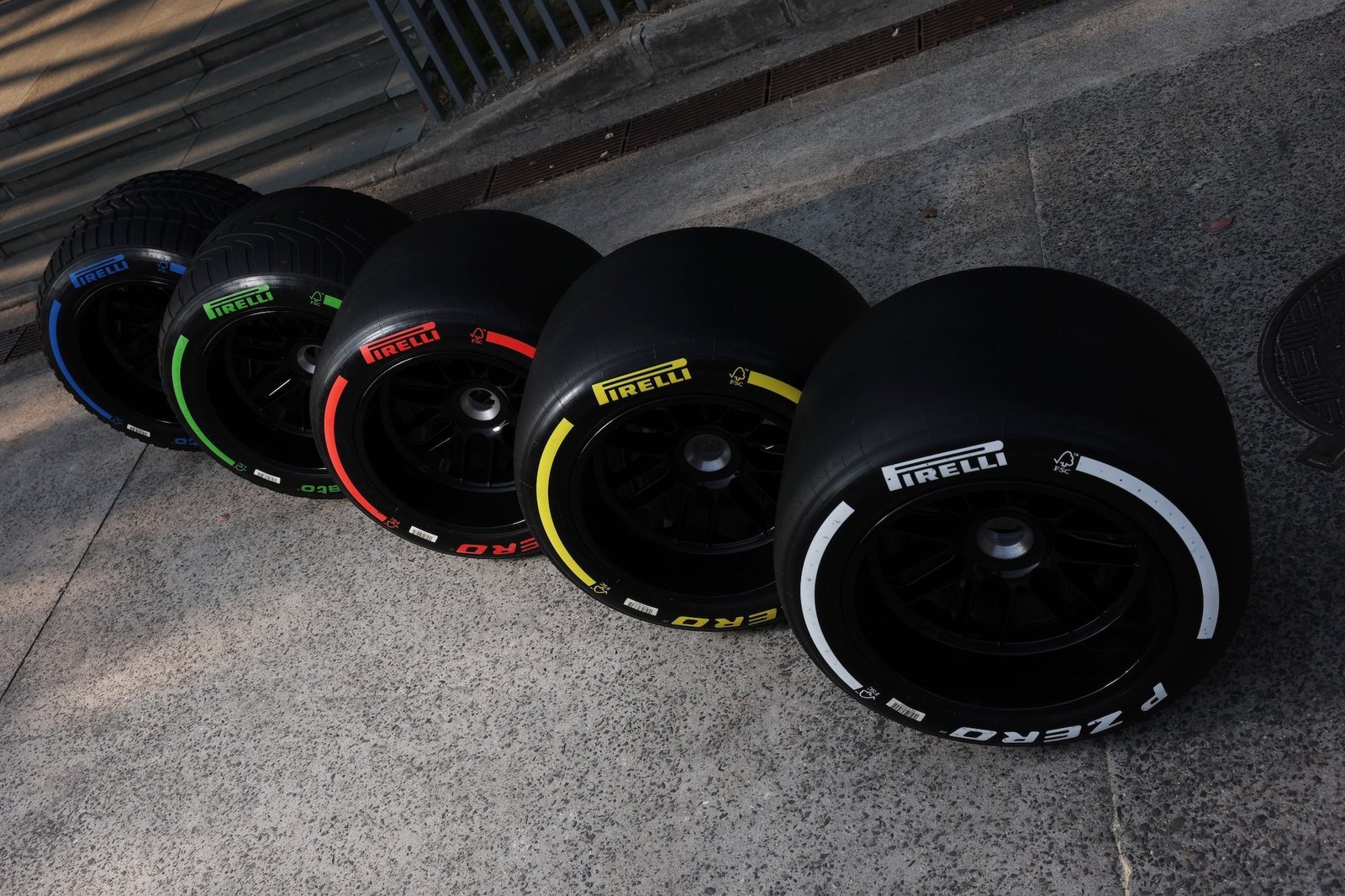
Pirelli Faces Challenges with Performance Data from F1 Teams for 2026 Tire Development
Pirelli, the tire supplier for Formula 1, is currently navigating complex challenges regarding the quality of performance data submitted by teams for the creation of tire compounds for the 2026 season. Reports from Auto Motor und Sport reveal that the Italian manufacturer has been receiving such inconsistent data that its engineers are beginning to suspect that teams may be deliberately misrepresenting information to safeguard technical secrets.
Understanding the Data Submission Requirement
Teams in Formula 1 are required to share various performance metrics, including estimates of downforce, acceleration rates, and maximum speed based on their internal simulations. This information is crucial for Pirelli, as it uses these inputs to design and develop tire compounds that will be suitable for the unique demands of each car. However, insiders at Pirelli indicate that the discrepancies in the data they have received are far beyond what was anticipated. If taken at face value, these numbers would suggest an unusually wide performance gap between the cars.
The Impact of Regulatory Changes
Andrew Shovlin, the engineering chief at Mercedes, commented on this issue, noting that such occurrences frequently happen when new regulations are introduced. He stated, “Some teams adapt better than others. Those that feel particularly strong may want to downplay their expected performance.” This suggests that the competitive nature of the teams can lead to strategic manipulation of data, as teams may want to maintain an edge over their rivals.
Risks of Data Manipulation
Pirelli has issued a warning to the teams: overstating or understating performance data could jeopardize both the performance and safety of the tires. If downforce values are underestimated, the tire compounds might not be able to handle the actual loads they will experience during races. Conversely, overly conservative projections could lead to the development of heavier or slower tires, which would not perform well on the racetrack.
Shovlin further elaborated that not all discrepancies in the data can be attributed to strategic manipulations. He pointed out that “some teams indicate where they think they will be at the end of the season,” contrasting with others that reflect their current performance levels. This variability in reporting complicates Pirelli’s task of accurately assessing the requirements for the upcoming season.
The Need for Accurate Data
The importance of receiving accurate and reliable performance data cannot be overstated. For Pirelli to create tires that meet the demands of the next season, it requires a clear understanding of how different teams are performing and what their expectations are. If teams provide skewed information, it could result in tires that are not optimized for the actual conditions they will face during races, potentially leading to performance issues or safety concerns.
The Role of Team Strategy in Data Reporting
In the competitive environment of Formula 1, teams often engage in strategic behavior that can influence their data reporting. Some teams may choose to present more conservative figures to keep their true performance under wraps or to avoid giving competitors insights into their capabilities. This behavior is not uncommon in high-stakes sports, where every advantage can make a significant difference.
Examining the Consequences of Inaccurate Reporting
The consequences of inaccurate data reporting extend beyond mere performance metrics. The integrity of the sport relies heavily on transparency and fairness. If teams misrepresent their performance capabilities, it creates an uneven playing field where some teams might benefit from inflated expectations while others suffer from unrecognized potential. This imbalance can lead to an erosion of trust among teams, as well as between teams and the governing body of Formula 1.
The Collaboration between Teams and Pirelli
To address these challenges, it is vital for teams to foster a collaborative relationship with Pirelli. Open lines of communication can help ensure that the data shared is as accurate as possible. By working closely with tire engineers, teams can better understand the implications of their performance metrics and how they relate to tire development.
Benefits of Transparency
Transparency in data reporting not only benefits Pirelli but also the teams themselves. When teams provide accurate data, it allows for the development of tires that enhance their performance on the track. Properly developed tires can lead to improved lap times, better handling, and ultimately, a greater chance of success in races. This symbiotic relationship emphasizes the importance of integrity in data reporting.
Looking Ahead to the 2026 Season
As the 2026 season approaches, the need for accurate data becomes increasingly critical. Pirelli is tasked with developing tire compounds that can withstand the evolving dynamics of Formula 1 cars, which are becoming more sophisticated and powerful. The introduction of new regulations will require Pirelli to adapt quickly, and the data they receive from teams will play a pivotal role in this process.
Preparing for Change
With changes on the horizon, teams must prepare for the challenges of the upcoming season while ensuring that their data submissions are reflective of their true capabilities. This preparation involves not only fine-tuning car performance but also evaluating how they communicate their potential to Pirelli. A proactive approach can help mitigate risks associated with data discrepancies and enhance overall performance on the track.
Conclusion: The Road to 2026
In summary, Pirelli is facing significant challenges in gathering reliable performance data from Formula 1 teams as it prepares for the 2026 season. The discrepancies in reported data raise concerns about the accuracy and integrity of the information being shared. As teams navigate the competitive landscape of Formula 1, the importance of providing truthful data cannot be overstated. By fostering collaboration and transparency, teams can contribute to the development of high-quality tires that meet the demands of the ever-evolving sport. The road ahead will require diligence and integrity from all parties involved, ensuring that the 2026 season is both exciting and safe for all competitors.
