Changes in Formula 1 Tire Selection for 2026: What to Expect
With a new era of technical regulations on the horizon, Formula 1 is set to introduce significant changes in tire selection for the 2026 season. As the teams gear up for the upcoming championship, understanding the tire compounds and their implications will be crucial for strategic planning right from the start of the year.
The 2026 Season Kickoff: Australian Grand Prix
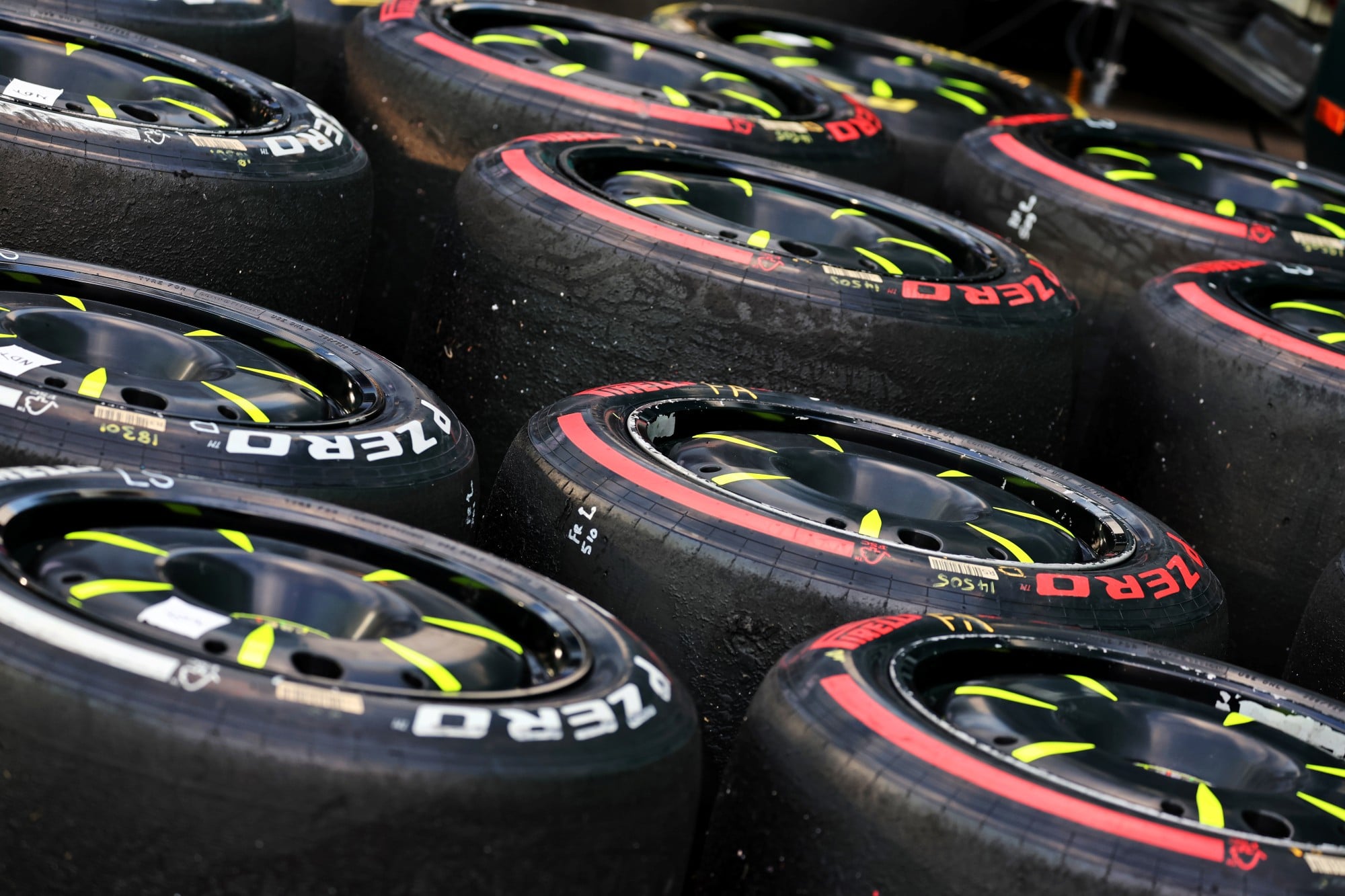
The excitement of the new season will commence with the Australian Grand Prix in Melbourne, scheduled for March 6-8, 2026. For this opening race, Pirelli has announced the selection of tire compounds C3, C4, and C5. These choices are not merely arbitrary; they are pivotal for teams as they develop their strategies based on tire performance and degradation levels that are expected during the race.
The Chinese Grand Prix: Adapting to Circuit Characteristics
Following the Australian Grand Prix, the Formula 1 circuit will head to China for the Grand Prix in Shanghai, taking place from March 13-16, 2026. The selected tire compounds for this race will be C2, C3, and C4. The selection process takes into account various factors, including the unique characteristics of the track layout and the specific nature of the asphalt. This careful consideration ensures that teams can optimize their performance, adapting to the demands of the Shanghai International Circuit.
Suzuka: A Challenging Circuit with Tougher Compounds
The third race on the calendar will take place at the renowned Suzuka Circuit in Japan. Known for its technical challenges and high demands on drivers and machines, the Suzuka Grand Prix will utilize the hardest tire compounds available in 2026: C1, C2, and C3. This decision reflects the anticipated high levels of tire degradation that teams will face, necessitating a robust strategy to manage tire performance over the course of the race.
Updates to Pirelli’s Tire Range
Beyond just the tire selections for specific races, Pirelli has also confirmed that there will be notable updates to its tire range for the 2026 season. One significant change is the removal of the C6 compound, which was the softest tire of the 2025 season. This decision came after feedback from drivers, including reigning champion Max Verstappen, who expressed concerns that the C6 tire did not meet its intended purpose effectively.
Pre-Season Testing: Preparing for the Challenges Ahead
Before the official start of the season, teams will have the opportunity to conduct several pre-season testing sessions to prepare their cars and strategies. The testing schedule includes a session in Barcelona from January 26-30, followed by two sessions in Bahrain on February 11-13 and February 18-20. These testing periods are vital for teams to gather data on tire performance, car setup, and overall team readiness ahead of the competitive season opener at Albert Park.
Importance of Tire Strategy in Formula 1
Tire strategy plays a critical role in Formula 1 racing. The choice of tire compounds can significantly impact performance, pit stop strategies, and ultimately, race outcomes. Teams must analyze the characteristics of the track, weather conditions, and tire degradation rates to make informed decisions about when to pit and which tires to use throughout the race.
The Evolution of Pirelli’s Tire Technology
Pirelli has been the exclusive tire supplier for Formula 1 since 2011, and the company has continually evolved its tire technology to meet the changing demands of the sport. Each season, Pirelli reviews and adjusts its tire compounds based on feedback from teams and drivers, as well as the specific requirements of the circuits on the calendar. This iterative process ensures that the tires remain competitive and relevant in a sport that is constantly pushing for greater performance and efficiency.
The Role of Drivers in Tire Development
Drivers play a significant role in the development of tire compounds. Their feedback during testing sessions and races helps Pirelli refine its products. For instance, the removal of the C6 compound was influenced by driver input, highlighting the collaborative nature of tire development in Formula 1. This relationship between drivers and tire manufacturers is essential for ensuring that the tires perform optimally under the extreme conditions of Formula 1 racing.
Challenges Ahead for Teams in 2026
As teams prepare for the 2026 season, they will face numerous challenges, not only in terms of tire strategies but also in adapting to new technical regulations. The combination of new tire compounds and updated performance specifications will require teams to be agile and innovative in their approaches. The successful teams will be those that can effectively interpret data and make quick decisions during races.
Conclusion: A New Chapter for Formula 1
The 2026 season promises to be a thrilling chapter in the history of Formula 1, with significant changes to tire selection and technology. As teams and drivers navigate these changes, the importance of strategic planning and adaptability will be more critical than ever. With the stakes higher and competition fierce, the upcoming season is set to deliver exciting racing and showcase the pinnacle of motorsport engineering.
By staying informed about these developments, fans and stakeholders can better appreciate the intricacies of Formula 1 and the vital role that tire selection plays in the success of teams on the track.
